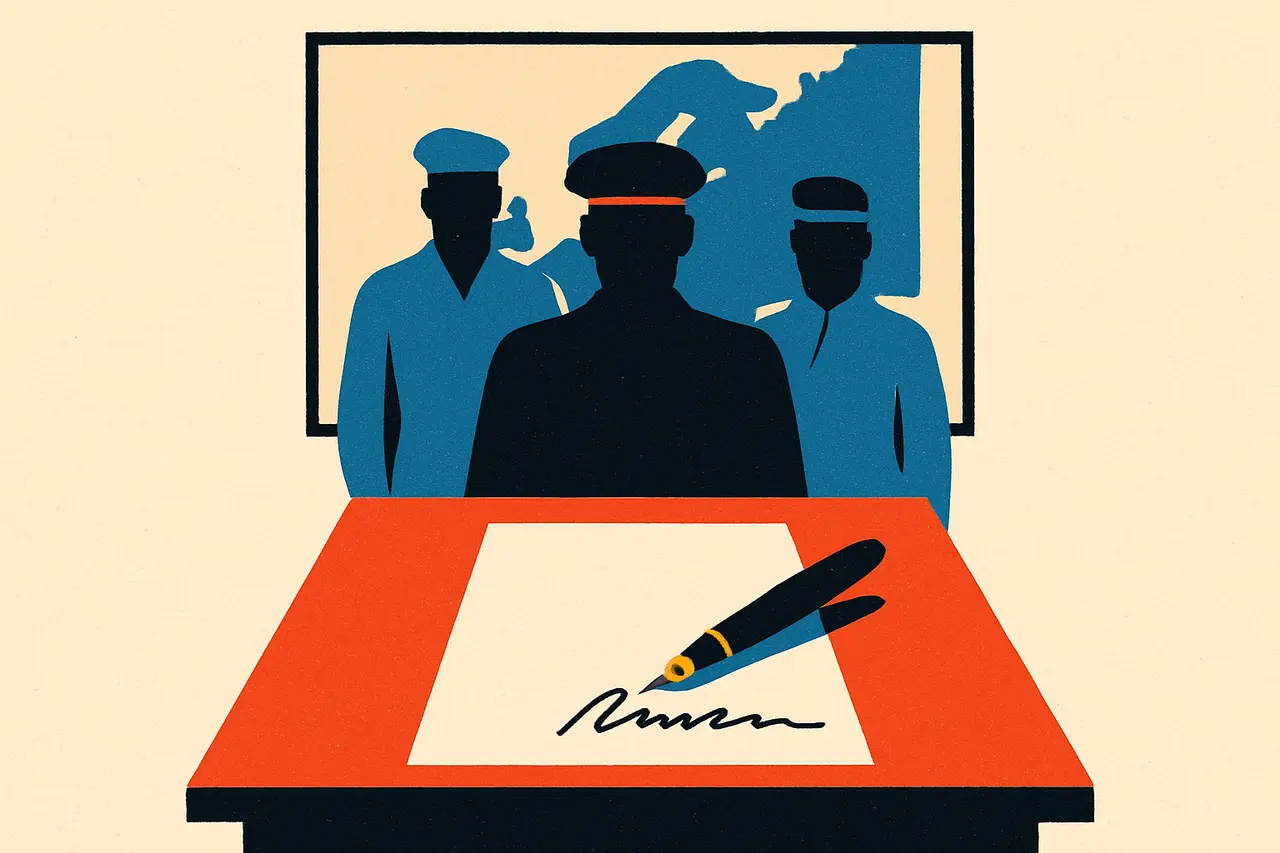
Why Stauffenberg's July 1944 bomb failed to kill Hitler
On this day · 20 July 1944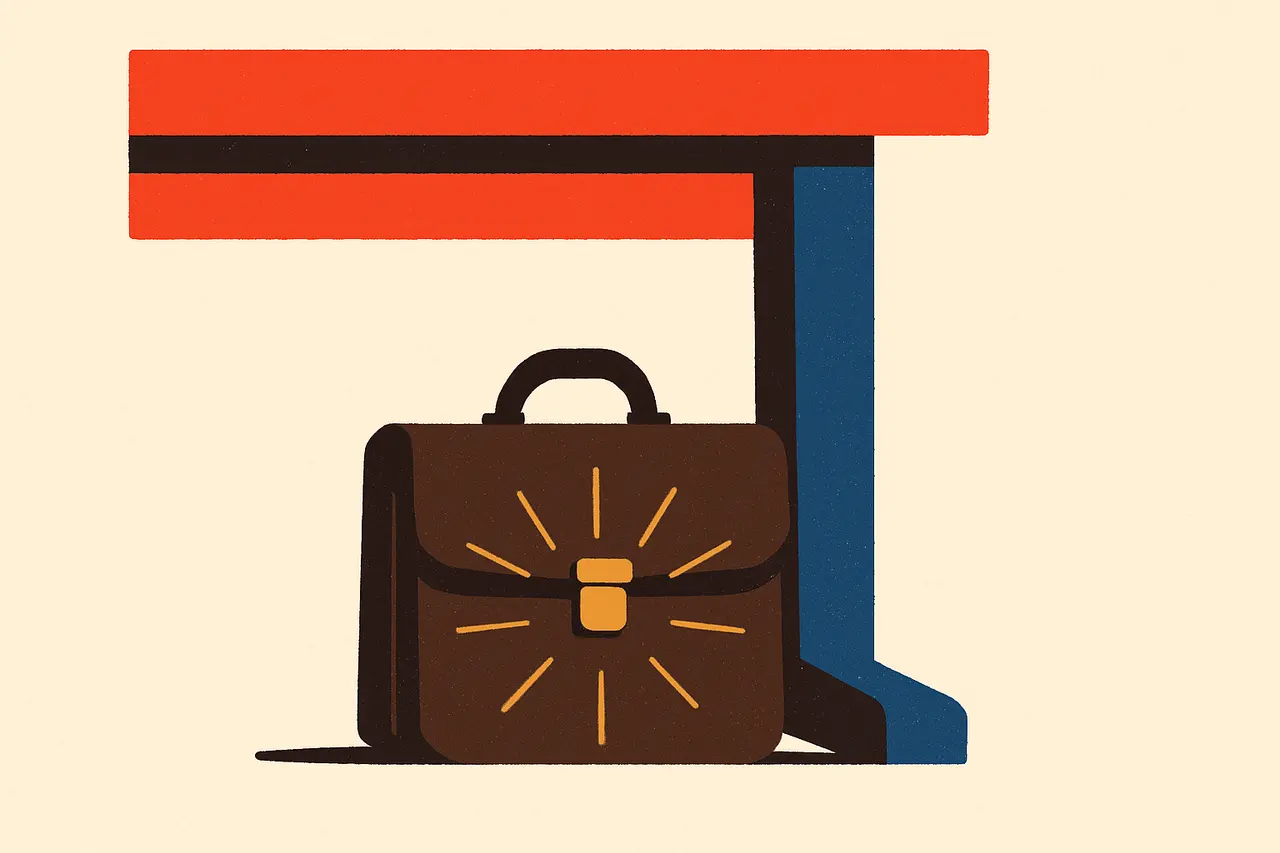
Only one of two bombs was armed and the briefcase was moved behind a table support. Then the Valkyrie coup lost three crucial hours.
Colonel Claus von Stauffenberg’s bomb went off beside Adolf Hitler at the Wolf’s Lair in East Prussia at about 12:45 p.m. on July 20, 1944, and failed to kill him for two main reasons. Stauffenberg had armed only one of his two bombs, and after he left the room the briefcase was moved behind the heavy support of the conference table. The blast killed three officers and a stenographer. Hitler survived with minor injuries.
Why was only one bomb armed?
Time ran out. Around 12:30 p.m., Stauffenberg excused himself to a washroom to set the fuses. A guard knocked and urged him to hurry, so he left the second charge with his aide, Werner von Haeften, and carried roughly half the planned explosive into the briefing. He placed it under the table near Hitler and walked out. Colonel Heinz Brandt then moved the case, by chance, behind a solid oak table support, which absorbed much of the blast.
How did the coup fall apart so fast?
The bomb was only the trigger. The plan, built around an existing contingency order code-named Operation Valkyrie, was for the army to seize power by blaming Hitler’s death on the Nazi Party. Yet the Valkyrie orders went out in Berlin only at around 4 p.m., more than three hours after the explosion, while telexes from Hitler’s headquarters contradicted them. In Paris the plotters disarmed the Gestapo and SS for several hours, and some orders were obeyed in Vienna, Prague and Kassel. Shortly before midnight, General Friedrich Fromm had Stauffenberg, Haeften, Friedrich Olbricht and Albrecht Mertz von Quirnheim shot in the Bendlerblock courtyard.
The revenge dwarfed the plot. The United States Holocaust Memorial Museum counts more than 7,000 people arrested and 4,980 executed, “often on the barest evidence”. Many conspirators were sentenced by Roland Freisler’s People’s Court and hanged at Plötzensee prison. The plot ended as a failed coup against a man who had once failed at one himself, in the 1923 Beer Hall Putsch.
Sources & references
4 referencesWell-established. Corroborated by 3 independent sources.