Yellowstone became the world's first national park
On this day · 1 March 1872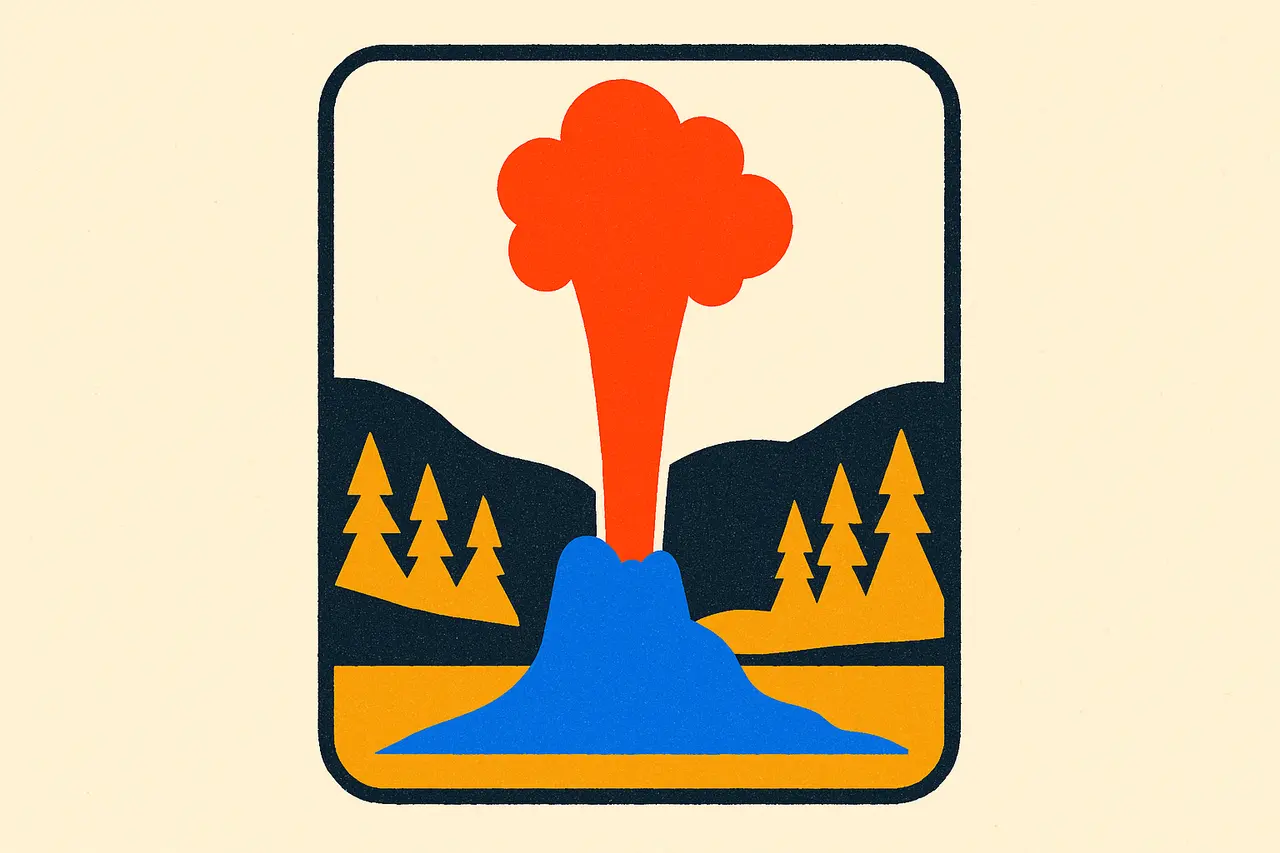
On this day in 1872, a single signature turned a remote tangle of geysers and canyons into the planet's first national park.
On March 1, 1872, President Ulysses S. Grant signed the Yellowstone National Park Protection Act, setting aside roughly two million acres of Wyoming, Montana, and Idaho wilderness as “a public park or pleasuring-ground for the benefit and enjoyment of the people.”
It was a genuinely new idea. Earlier reserves had protected resources for someone’s use; Yellowstone instead protected a landscape simply for existing, and handed it to the nation rather than to a state or a private owner. Reports from the 1870 Washburn and 1871 Hayden expeditions, complete with paintings and photographs of erupting geysers, had convinced Congress the place was worth keeping.
The act established the very concept of a “National Park.”
The model proved contagious. Yellowstone became the template copied by Yosemite, then by parks across more than a hundred countries, making one piece of nineteenth-century American legislation an unlikely export to the entire world.
Sources & references
2 referencesWell-established. Corroborated by 2 independent sources.