Vanilla is the second-priciest spice because every flower is pollinated by hand
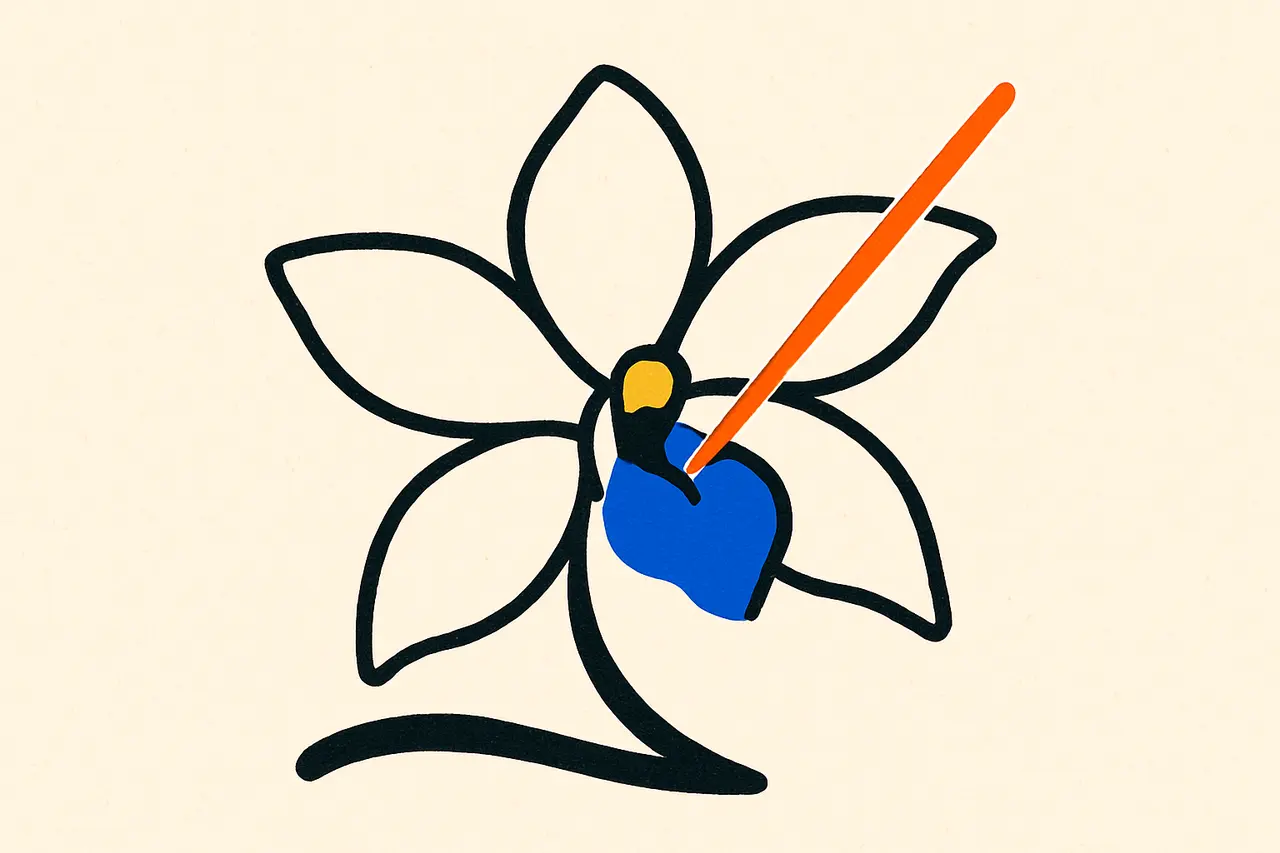
Outside Mexico the vanilla orchid has no pollinator, so a 12-year-old enslaved boy's hand-pollination trick still feeds the entire global crop.
Real vanilla is the world’s second-most-expensive spice after saffron, and the reason is brutally simple: nearly every pod is fertilized by a human hand, one flower at a time.
Vanilla planifolia is an orchid native to Mexico, where it is pollinated by specific local bees. Ship the vine anywhere else, and the flowers bloom beautifully but set almost no fruit. A structure inside the bloom called the rostellum walls off the male anther from the female stigma, so the plant can’t fertilize itself, and no foreign insect knows how to breach it. For decades, colonists on islands like Réunion grew lush, leafy, completely fruitless vines.
The fix came in 1841 from Edmond Albius, a 12-year-old enslaved boy on Réunion. Using a sliver of bamboo, he learned to flip the rostellum aside and press the anther onto the stigma, fertilizing the flower in seconds. His employer’s vines began bearing pods for the first time, and the method spread across the colonial vanilla world.
His technique, devised by a child who died in poverty without payment, is still the method used worldwide today.
The catch is that each blossom opens for only about a day and must be pollinated by hand during that narrow window. On a plantation, workers move through the rows every morning during flowering season, touching thousands of flowers individually with a toothpick-like sliver. Hand-pollination alone accounts for roughly a third of vanilla’s labor cost.
That relentless manual labor, plus months of slow curing afterward to develop the aroma, is why a spice that smells like a milkshake commands prices closer to a precious metal.
Sources & references
2 referencesWell-established. Corroborated by 2 independent sources.