The 1960 Valdivia earthquake is the most powerful ever recorded, at magnitude 9.5
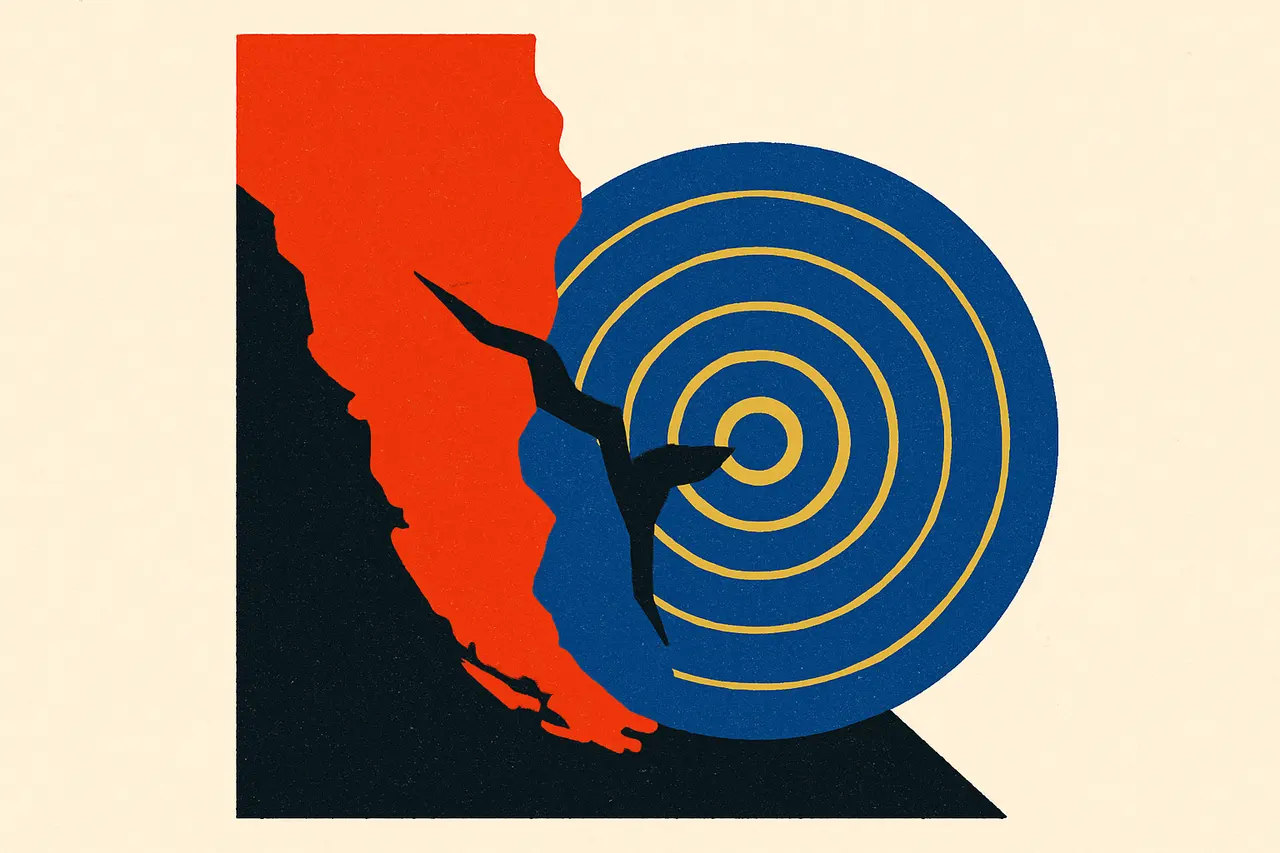
When a 1,000-kilometre slab of crust slipped beneath Chile in 1960, instruments logged the strongest shock in seismic history.
On 22 May 1960, off the coast of southern Chile, a vast stretch of the seafloor lurched. The result was the Great Chilean (Valdivia) earthquake, rated magnitude 9.5 — the most powerful earthquake ever recorded by instruments.
The rupture tore along an estimated 900 to 1,000 kilometres of the boundary where the Nazca plate dives beneath South America. That single event released more seismic energy than any other in the modern record, and it remains the benchmark against which all other quakes are measured.
The shock also launched a tsunami across the entire Pacific. Waves struck Hawaii, Japan, the Philippines and New Zealand many hours later, a reminder that the energy of a great earthquake does not stay near its source. No instrument has logged anything stronger in the decades since.
Sources & references
2 referencesWell-established. Corroborated by 2 independent sources.