The Wright brothers patent the secret of controlled flight
On this day · 22 May 1906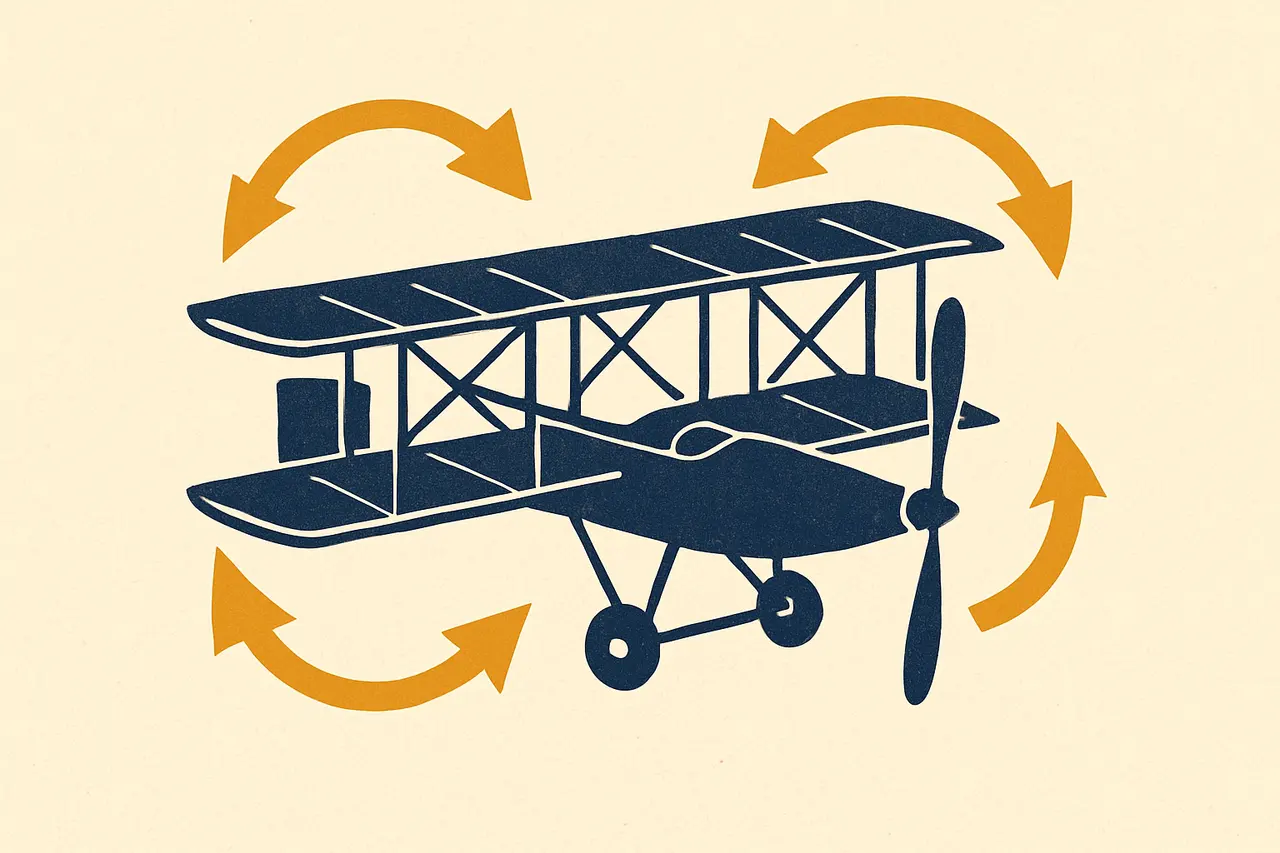
More than two years after Kitty Hawk, the Wrights won a patent not on a plane but on the very idea of steering one.
On May 22, 1906, the U.S. Patent Office granted Orville and Wilbur Wright patent number 821,393 for a “Flying-Machine.” They had flown at Kitty Hawk back in December 1903, but the paperwork took years; their first application, written themselves, was rejected before an Ohio patent attorney helped push it through.
The genius of the patent was not the airplane but its controls. The Wrights claimed their method of wing-warping—twisting the wingtips to bank and turn—and coordinating it with the rudder to keep an aircraft balanced and steerable in the air.
The claims were drawn so broadly they covered the very concept of controlled flight.
That sweep made the patent enormously valuable and enormously contentious. For years afterward the Wrights waged a tangle of lawsuits—the so-called patent wars—against rival aviators, defending the idea that they, not their imitators, had taught the world how to steer through the sky.
Sources & references
2 referencesWell-established. Corroborated by 2 independent sources.