France gave up Canada to keep its sugar islands in 1763
On this day · 10 February 1763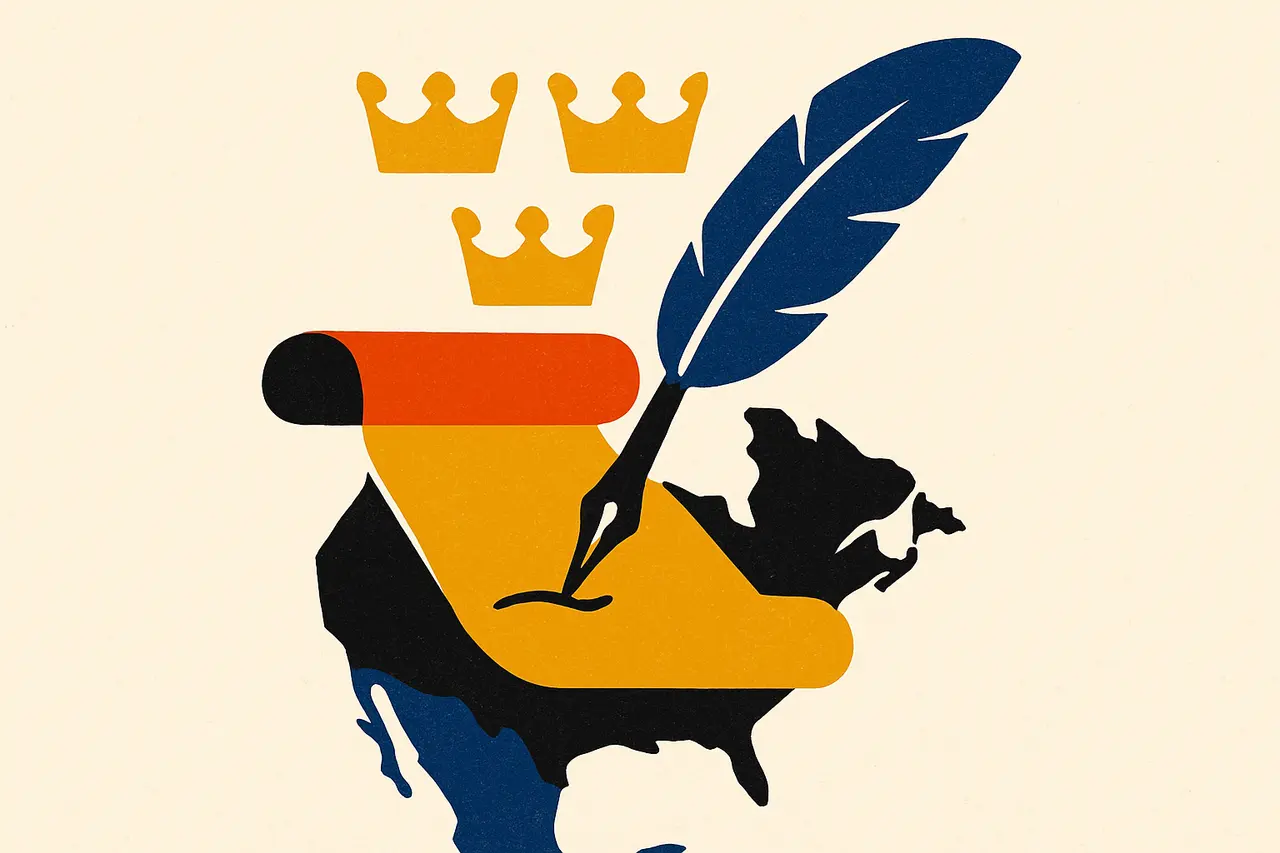
The 1763 Treaty of Paris ended the Seven Years' War — and France chose Caribbean sugar islands over Canada, quietly handing Louisiana to Spain.
The Treaty of Paris, signed on 10 February 1763 by Britain, France and Spain, with Portugal acceding the same day, ended the Seven Years’ War (the French and Indian War in America) and removed France from mainland North America. What France chose to keep instead is the part most summaries skip.
| Crown | Gave up | Kept, regained or gained |
|---|---|---|
| France | Canada, Cape Breton, land east of the Mississippi, Grenada | Guadeloupe, Martinique, St Lucia, Newfoundland fishing rights |
| Spain | Florida and everything it held east of the Mississippi | Havana and Cuba, captured by Britain in 1762 |
| Britain | Havana and the captured French sugar islands | Canada, Florida, the whole eastern half of the continent |
The swap was deliberate. According to the U.S. State Department’s Office of the Historian, French negotiator Choiseul preferred the small Caribbean islands, whose sugar was enormously profitable, to a vast Canada that, in the historians’ words, “had been a drain on the French treasury.”
One famous transfer is not in the treaty at all. On 3 November 1762, the same day the preliminary peace was signed at Fontainebleau, France secretly ceded New Orleans and Louisiana west of the Mississippi to Spain, partly to persuade its ally to stop fighting. The Treaty of Fontainebleau stayed secret through the Paris signing; Louisianans learned they were Spanish subjects only in 1764, and the first Spanish governor did not arrive until 1766.
The peace was unpopular with the British public, yet Parliament ratified it by 319 votes to 64. For Native nations on the frontier it was a disaster: they could no longer play two rival empires against each other to protect their land. For Britain, a war fought on borrowed money left debts and an expensive new frontier, and the taxes raised to pay for them helped push the colonists toward independence — which a second Treaty of Paris recognized in 1783, barely twenty years later.
Sources & references
3 referencesWell-established. Corroborated by 3 independent sources.