A computer beats the world chess champion
On this day · 10 February 1996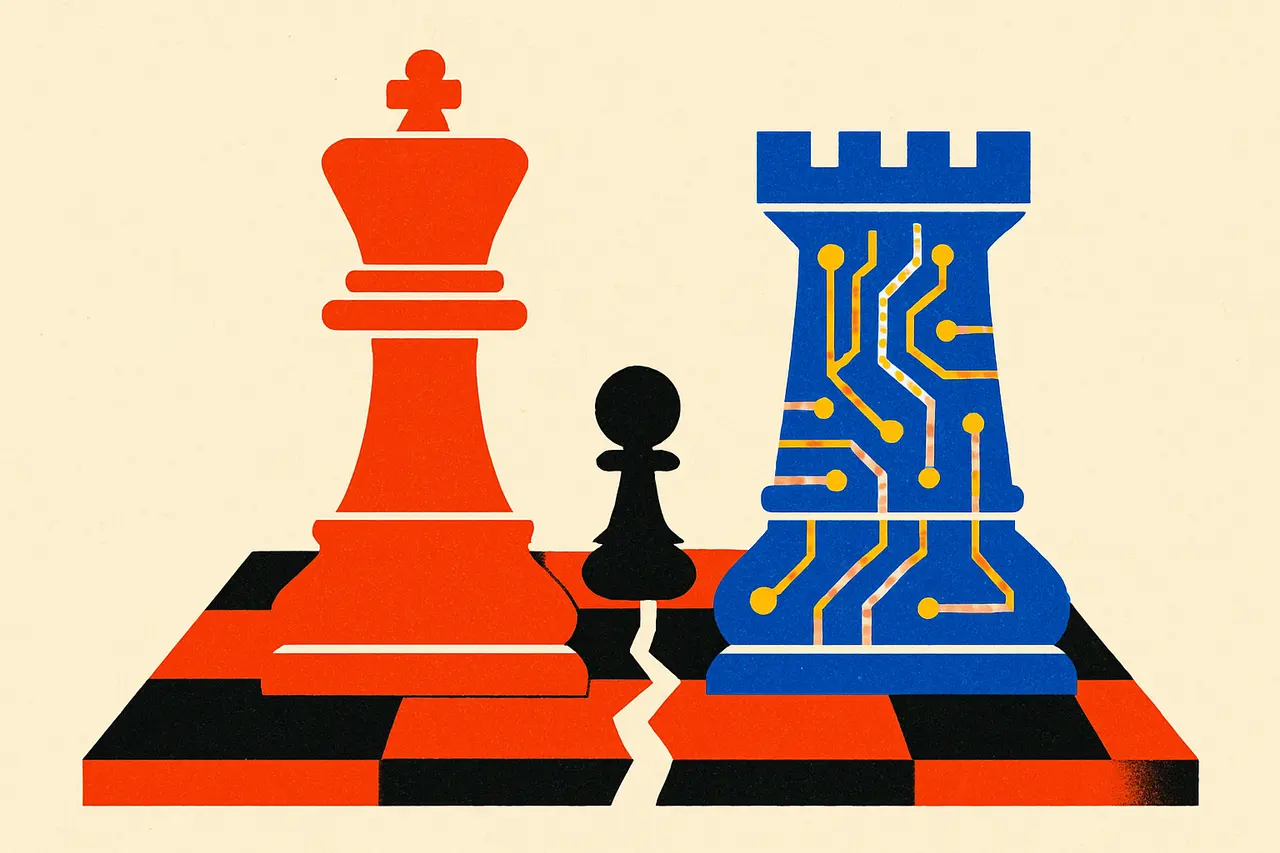
In game one of a Philadelphia match, IBM's Deep Blue did what no machine had: defeat a reigning champion under tournament conditions.
On February 10, 1996, in the first game of a six-game match in Philadelphia, IBM’s Deep Blue defeated reigning world champion Garry Kasparov. It was the first time a current World Chess Champion had ever lost a game to a computer under regular tournament time controls, a threshold long treated as a benchmark for machine intelligence.
Deep Blue could evaluate roughly 100 million chess positions per second, and Kasparov admitted afterward that some of its play felt unsettlingly human. Yet a single game does not make a match.
Kasparov regrouped, winning three of the remaining games and drawing two to take the match 4-2.
The machine’s full triumph would wait for the 1997 rematch, when an upgraded Deep Blue won the series outright. Even so, that first 1996 game marked the moment the balance between human and machine at the chessboard began, irreversibly, to tip.
Sources & references
2 referencesWell-established. Corroborated by 2 independent sources.