Versailles was signed in 1919 but never ratified by the US
On this day · 28 June 1919
The treaty signed on 28 June 1919 took effect only in 1920, its 'war guilt clause' never says guilt, and America made a separate peace.
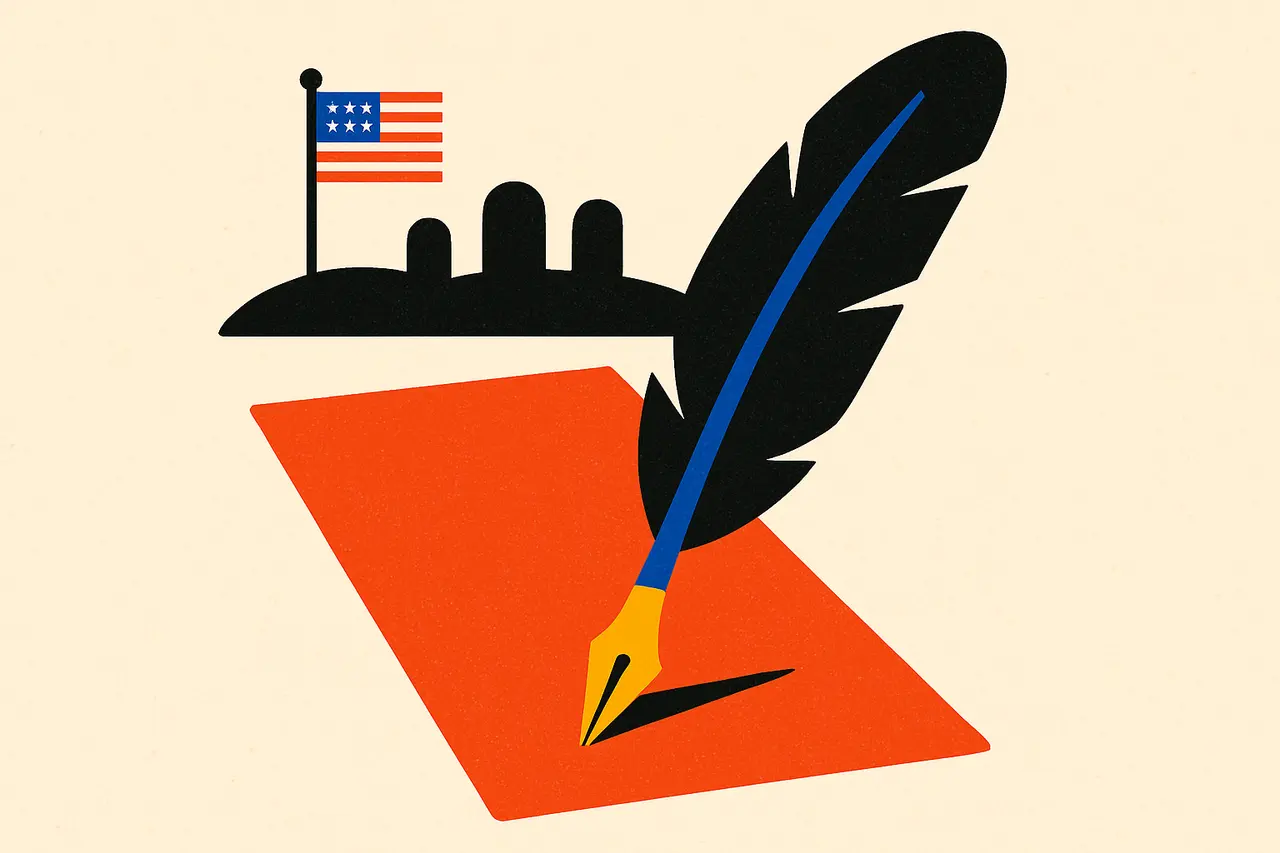
The Treaty of Versailles, signed in the Hall of Mirrors on 28 June 1919, legally ended the First World War only when it came into force on 10 January 1920, and the United States never ratified it at all. The fighting had stopped months earlier with the armistice of 11 November 1918; the treaty was the settlement that followed.
Germany was not allowed to take part in the negotiations. The victorious Allies drafted the terms, with the big decisions taken by the Council of Four: Britain’s David Lloyd George, France’s Georges Clemenceau, America’s Woodrow Wilson and Italy’s Vittorio Orlando. The finished treaty ran to 440 articles in 15 parts.
Its notorious “war guilt clause” never uses the word guilt. Article 231 has Germany accept “the responsibility of Germany and her allies for causing all the loss and damage” the Allies suffered. It was the legal basis for reparations, whose final total the treaty left to a later commission to set.
How the peace actually played out:
- 28 June 1919: Germany signs, five years to the day after the Sarajevo assassination. Only one signed original is made, for the French archives; it is not known to have survived.
- 10 January 1920: the treaty comes into force.
- 19 March 1920: a final US Senate vote falls seven votes short of ratification.
- 1921: an Allied commission sets reparations at 132 billion gold marks, about $32 billion.
- 25 August 1921: the US signs a separate Treaty of Berlin with Germany, claiming the treaty’s rights and reparations but leaving out the League of Nations, which America never joined.
The terms were badly received in Germany. They undermined the Weimar government that had ratified them, and denouncing the treaty became one of the platforms that gave the Nazi Party credibility with mainstream voters. The country that had entered the war in 1917 and whose president had championed the League ended up outside both the treaty and the League.
Sources & references
4 referencesWell-established. Corroborated by 4 independent sources.