The Stonewall uprising sparked the gay rights movement
On this day · 28 June 1969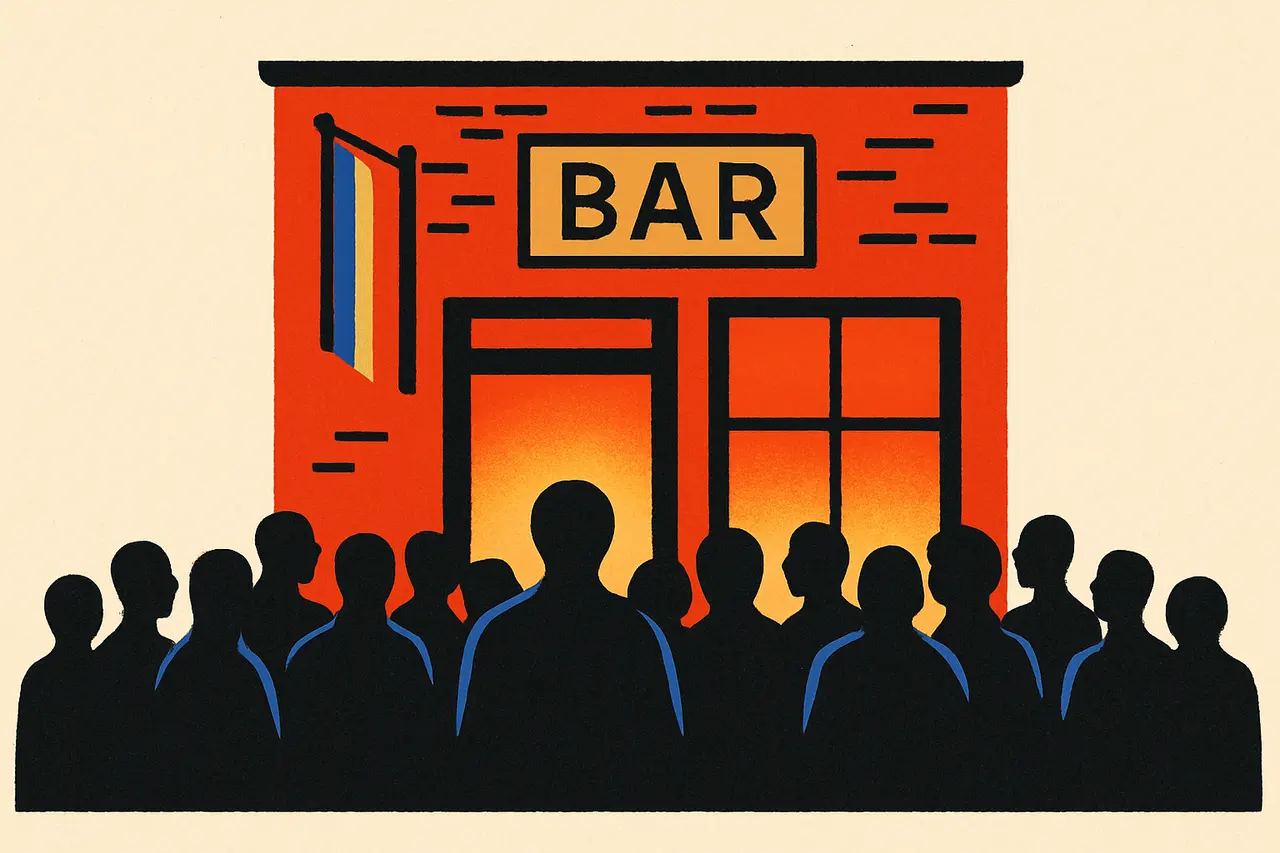
A routine police raid on a Greenwich Village bar turned into days of protest and a turning point for LGBTQ rights.
In the early hours of June 28, 1969, New York City police raided the Stonewall Inn, a gay bar on Christopher Street in Greenwich Village. Raids on such bars were common, but this time the patrons and a gathering crowd refused to scatter. The confrontation spilled into the streets and stretched across several nights.
The bar drew a mixed, marginalized clientele, and was notably welcoming to Black and Latino patrons and to people pushed out of more respectable venues. The fury of that week gave a scattered movement sudden momentum.
These events “catalyzed a nationwide movement that united gay and lesbian people in the push for equal rights.”
Activists soon founded new organizations, and on the first anniversary marchers held what became the earliest Pride parades. In 2016, President Barack Obama designated the Stonewall National Monument — the first U.S. National Park Service site dedicated to LGBTQ history.
Sources & references
2 referencesWell-established. Corroborated by 2 independent sources.