The Maracanazo silenced 200,000 fans - and changed Brazil's jersey
A 1950 World Cup defeat so traumatic that Brazil burned its white shirt and held a contest that produced the iconic yellow strip.
On July 16, 1950, Brazil needed only a draw against Uruguay to win the World Cup on home soil. A crowd of roughly 200,000 packed the brand-new Maracana - still among the largest in football history. Brazil scored first. Then Uruguay’s Juan Schiaffino equalized, and with 11 minutes left Alcides Ghiggia slipped in the winner. The stadium fell into a silence so total it became legend.
“Only three people have silenced the Maracana,” Ghiggia later said. “The Pope, Frank Sinatra, and me.”
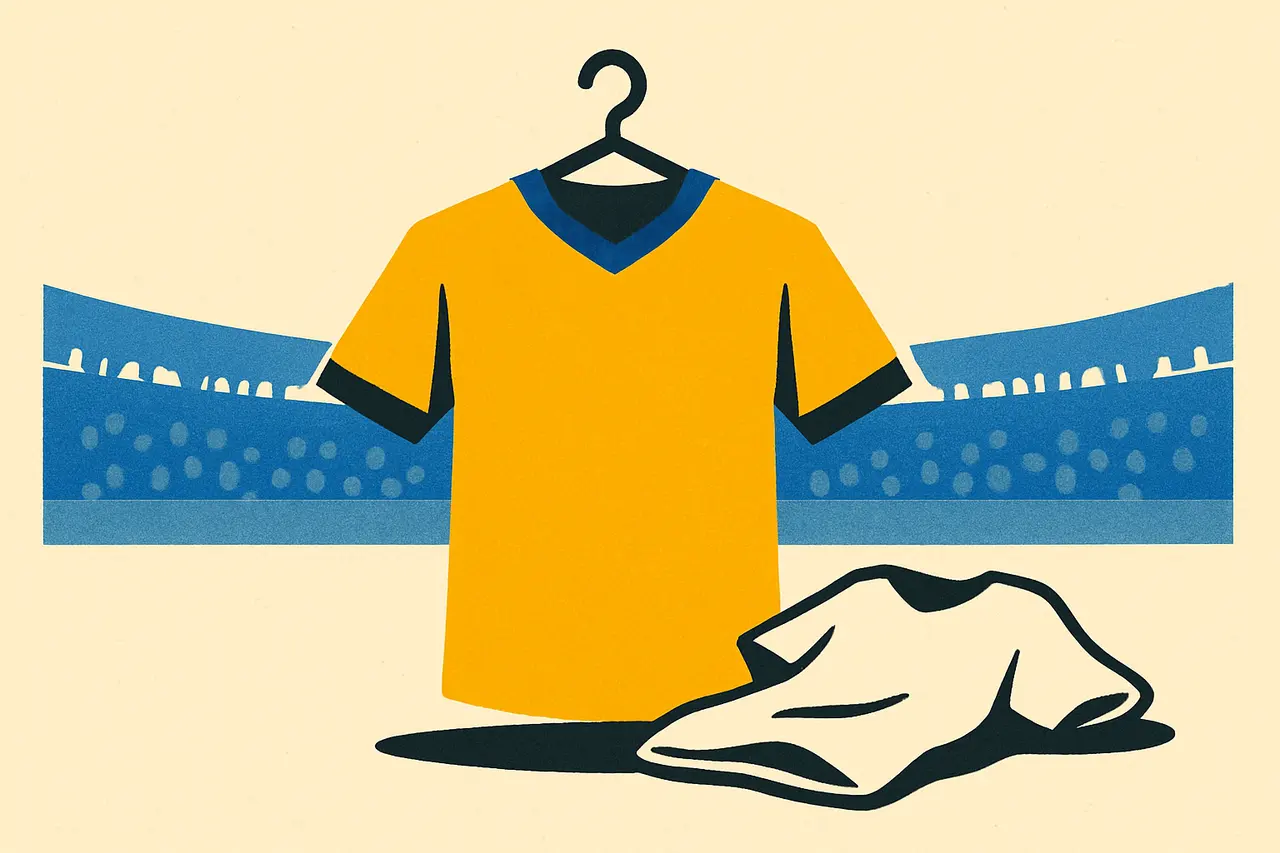
The 2-1 loss - the Maracanazo - was treated as a national catastrophe, and Brazil’s all-white kit became a symbol of the shame. So the team got rid of it. In 1953 the newspaper Correio da Manha, working with the football confederation, ran a public contest to design a new shirt. The one rule: it had to use all four colors of the Brazilian flag.
More than 300 entries came in. The winner, announced in December 1953, was a 19-year-old illustrator from the Uruguay border named Aldyr Garcia Schlee. “I came to the conclusion that the shirt had to be all yellow,” he recalled, pairing it with a green collar, blue shorts, and white socks.
That yellow “canarinho” jersey debuted in 1954 and carried Brazil to its first World Cup in 1958. A defeat had quite literally redrawn the world’s most famous football shirt.
Sources & references
2 referencesWell-established. Corroborated by 2 independent sources.