The Knights Templar got their Rule at Troyes in 1129
On this day · 13 January 1129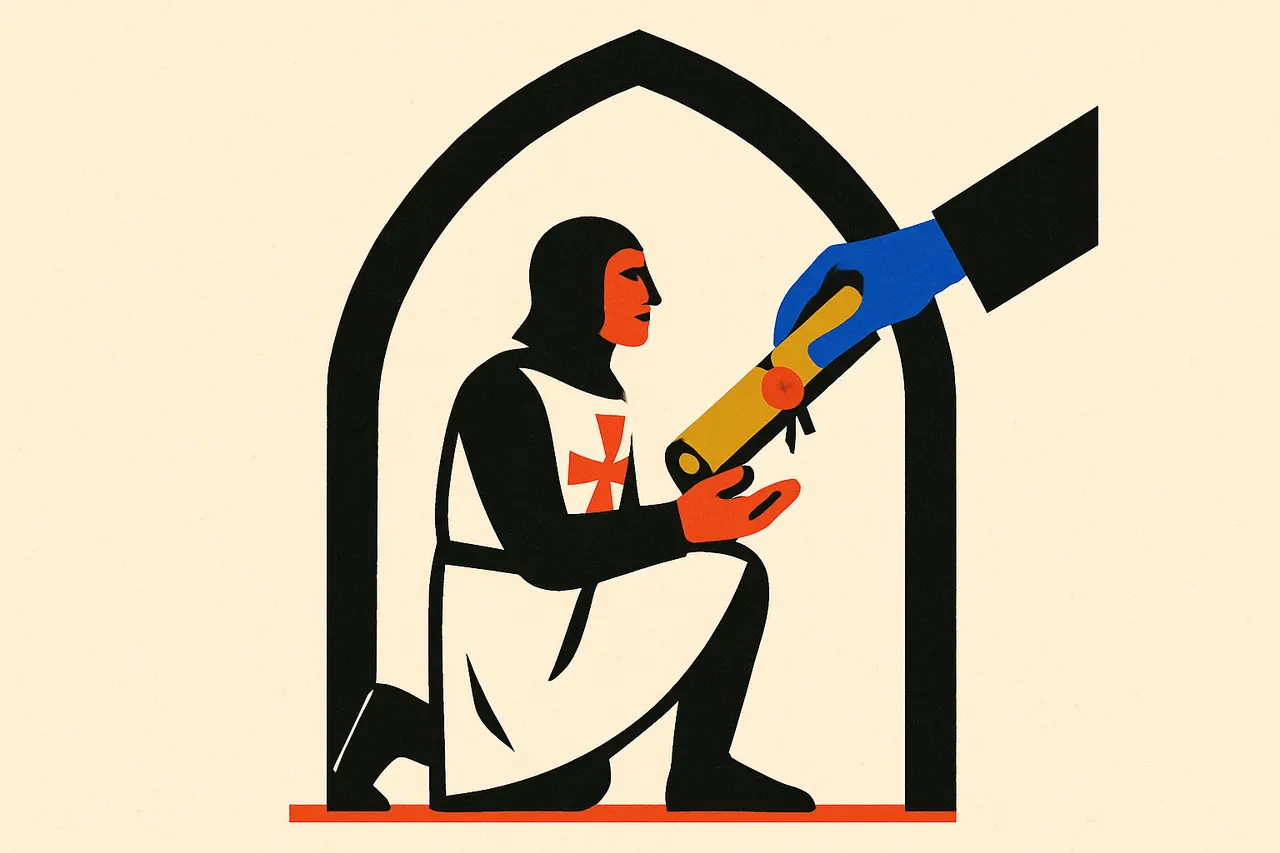
A church council in Champagne approved the Templars in January 1129. Full papal backing took another ten years.
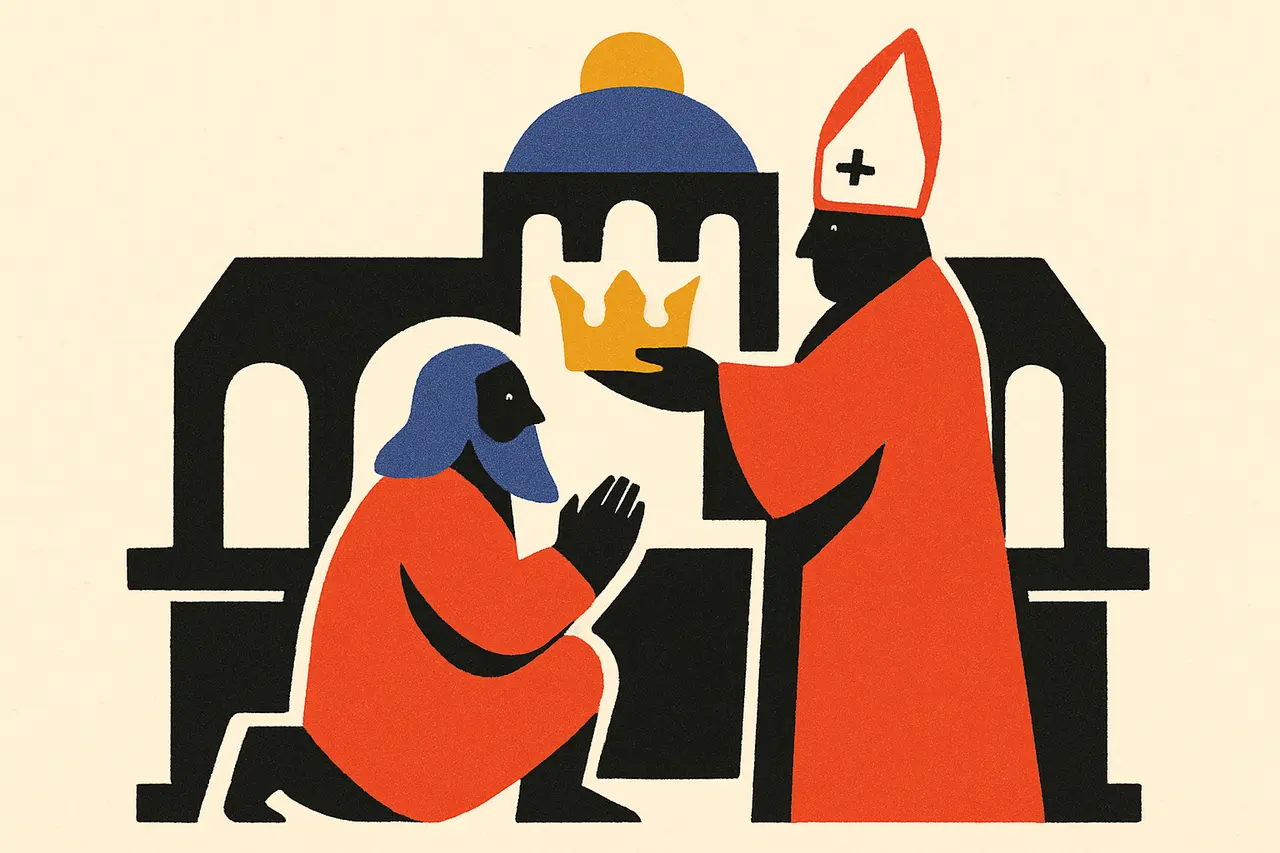
The Knights Templar won official church approval at the Council of Troyes on 13 January 1129, the feast of St Hilary. The council gave the young order a written Rule and adopted it with the backing of Bernard of Clairvaux. The order had been founded in 1118–19 by Hugh of Payns, a knight from Champagne. His men took the monks’ vows of poverty, chastity and obedience and added a fourth: to protect pilgrims in the Holy Land.
They needed the endorsement. The Temple Church in London, built by the order, says the early Templars were “deeply suspect”, because it seemed unnatural for one man to be both soldier and monk.
Was it 1128 or 1129?
Both dates are right. The Rule itself says the council met “on the feast of my lord St Hilary, in the year of the incarnation of Jesus Christ 1128, in the ninth year after the founding”. Medieval dating often began the new year in spring, so that January falls in 1129 by modern reckoning. Fordham University’s edition of the Rule dates it that way.
The Rule’s prologue also lists who attended. There was a papal legate, Matthew, bishop of Albano, two archbishops, about ten bishops and eight abbots, Bernard among them. Its practical clauses show monks adjusting to war: a brother sent east on the order’s business who could not hear the office was to say 13 paternosters in place of matins.
Did the pope recognise the Templars at Troyes?
Not directly. The council referred the matter to Pope Honorius II and the patriarch of Jerusalem. The decisive papal act came later:
- 29 March 1139: Innocent II’s bull Omne Datum Optimum makes the Templars an independent unit within the church.
- 1140s: The order has a house in London, with a round church modelled on the Holy Sepulchre.
- 1187: Saladin takes Jerusalem, and the Templars lose the city they were founded to guard.
- 1307–12: The order is arrested in France and then suppressed.
Troyes made the Templars a recognised religious order, but the papal privileges that made them powerful came ten years later.
Sources & references
3 referencesWell-established. Corroborated by 3 independent sources.