Gherman Titov was the first person to sleep in space
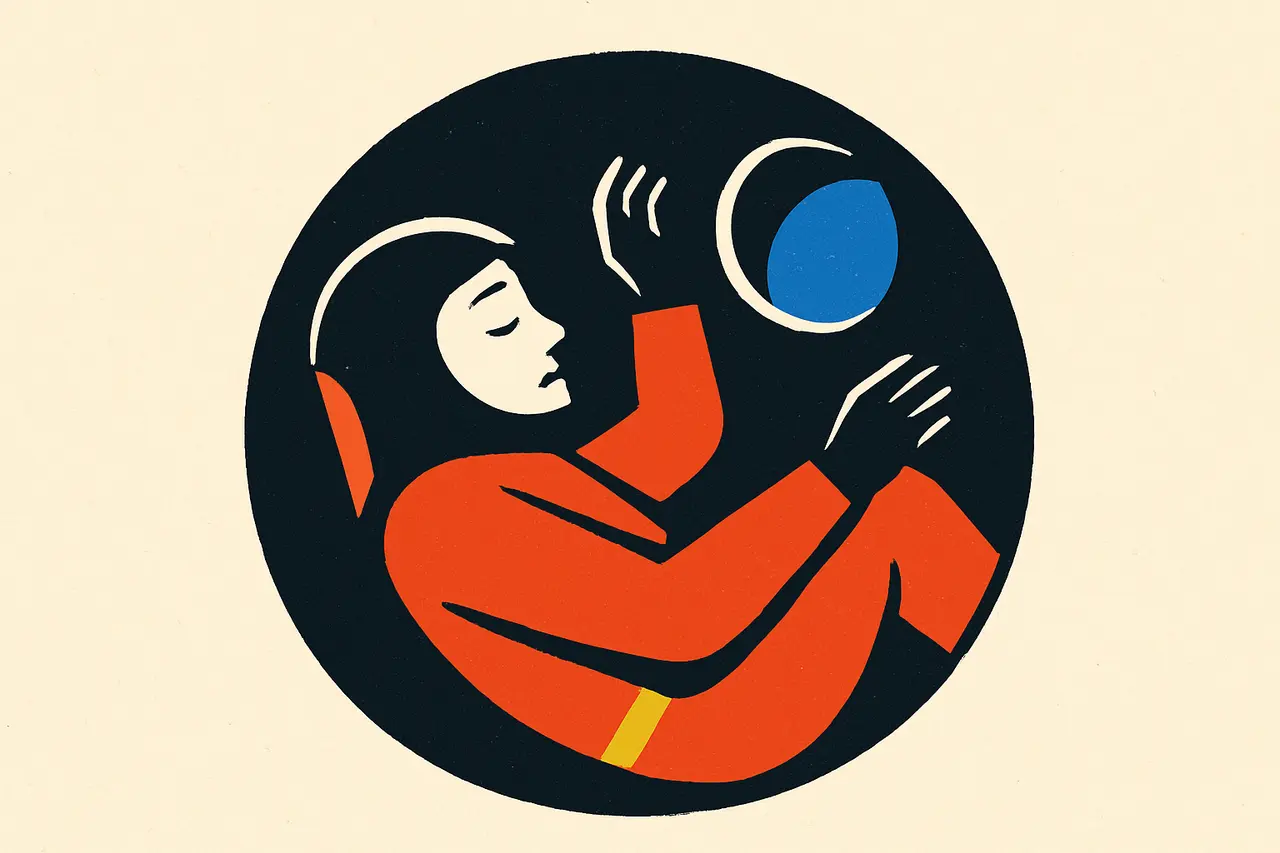
On Vostok 2 in 1961 the Soviet cosmonaut woke to find his arms floating over the controls, tucked them away, and slept on 'like a baby.'
Soviet cosmonaut Gherman Titov became the first person to sleep in space during Vostok 2, which launched on August 6, 1961 and kept him in orbit for about 25 hours, long enough to circle Earth more than 17 times.
After sleeping for around one orbit, Titov woke to find his arms floating in front of him, a hazard to the switches and controls. He secured them under a belt and went back to sleep, later saying he had “slept like a baby” once his arms were out of the way.
Why a full day mattered
The flight was designed to study a longer spell of weightlessness. Here is how it compared:
- 1961, four months earlier: Yuri Gagarin’s Vostok 1 lasts a single orbit. America’s only crewed flights, by Alan Shepard and Gus Grissom, are suborbital hops.
- August 6, 1961: Vostok 2 launches and Titov stays up for a full day.
- May 1962: Titov tours the United States. His host in Washington is John Glenn, who had become the first American to orbit Earth just over two months before.
- May 1963: Gordon Cooper’s Mercury-Atlas 9 flight finally matches Titov’s number of orbits and time in space, almost two years later.
The Washington visit was the first meeting between an American astronaut and a Soviet cosmonaut, and Glenn and reporters grew frustrated with Titov’s often evasive answers about his rocket and mission, a sign of how secretive the Soviet programme still was.
How astronauts sleep now
On the International Space Station crew members sleep in small private booths, in sleeping bags attached to a wall or ceiling. They are usually scheduled eight hours of sleep, despite seeing 16 sunrises and sunsets every 24 hours. The cabins must be well ventilated, or a bubble of the sleeper’s own exhaled carbon dioxide can form around their head.
Sources & references
4 referencesWell-established. Corroborated by 4 independent sources.