The first human blood transfusion used a lamb, in 1667
On this day · 15 June 1667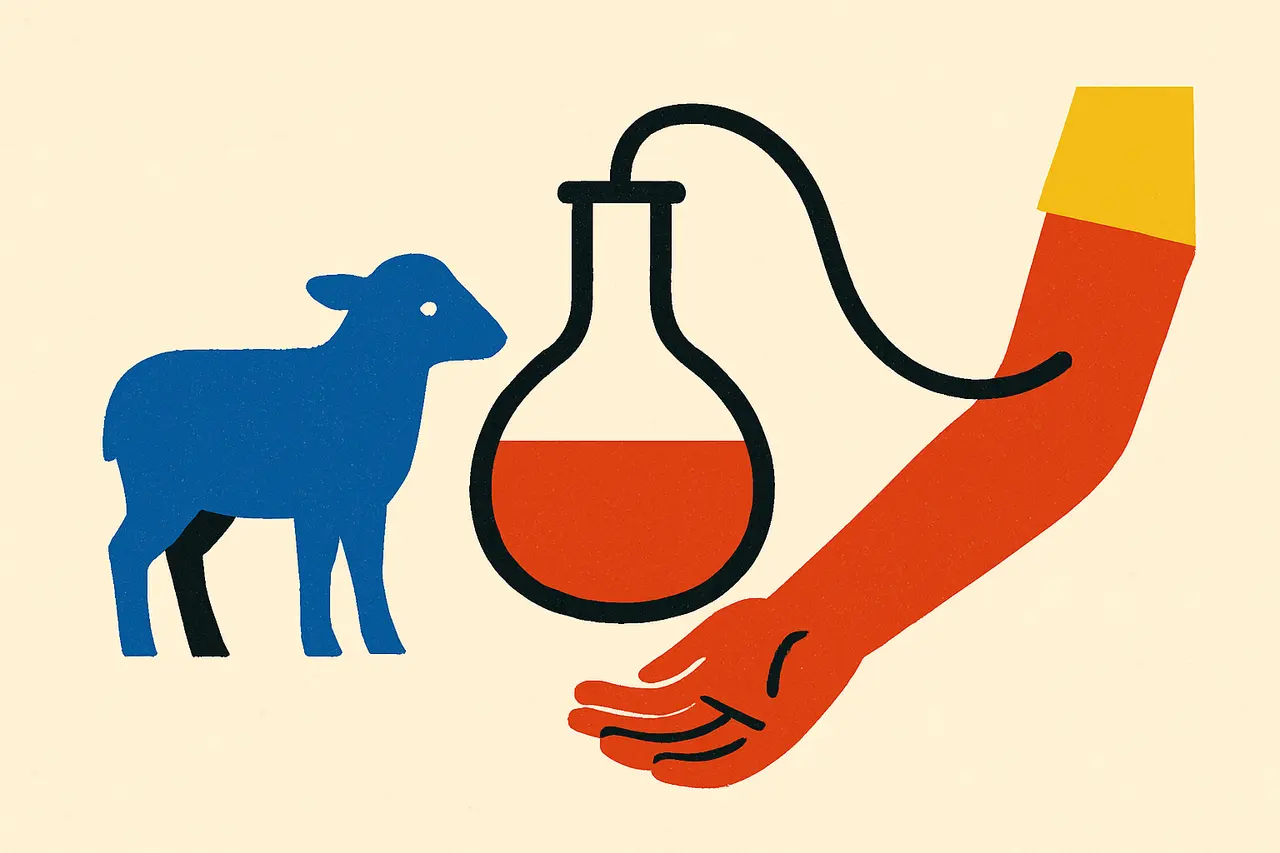
In June 1667 a Paris physician piped lamb's blood into a feverish teenager. He survived, but within months the experiments ended in scandal.
The first documented blood transfusion into a human was performed in Paris on 15 June 1667 by Jean-Baptiste Denis, physician to Louis XIV, who ran blood from a lamb’s artery into a vein in the arm of a 15-year-old boy with a two-month fever. Bloodletting had already failed to help him.
About 12 ounces (340 g) of blood was reportedly transferred. Denis noted that the boy woke feeling “cheerful enough,” and he is said to have recovered fully.
Why a lamb? Denis reasoned that people could take in lamb’s blood because they already ate the animal’s meat and drank its milk, and he thought the blood “pure” and calming. That belief led him to try it as a cure for insanity.
Which “first”?
The answer depends on what you count, and the story runs on long after Paris:
- 1665: in England, Richard Lower kept a dog alive with blood from other dogs, the first recorded successful transfusion of any kind.
- 1667: Denis in France and Lower with Edmund King in England separately reported sheep-to-human transfusions; Denis’s June operation is the earliest on record.
- Over about a year: Denis ran five animal-to-human trials; two patients died. One of them, Antoine Mauroy, brought Denis a murder accusation.
- 1818: British obstetrician James Blundell gave the first successful transfusion of human blood, to a woman bleeding after childbirth.
- 1901: Karl Landsteiner identified the first human blood groups; until then transfusion remained a desperate gamble.
Historian Holly Tucker’s account of the Mauroy affair argues that Mauroy was in fact murdered by a physician opposed to transfusion, not killed by the lamb’s blood. The scandal still won: medical politics and religious objections got transfusion forbidden in France for centuries.
Sources & references
3 referencesWell-established. Corroborated by 3 independent sources.