Breaking the Enigma code may have shortened WWII by years
In a country house north of London, mathematicians quietly read Germany's secret messages — and helped end the war faster.
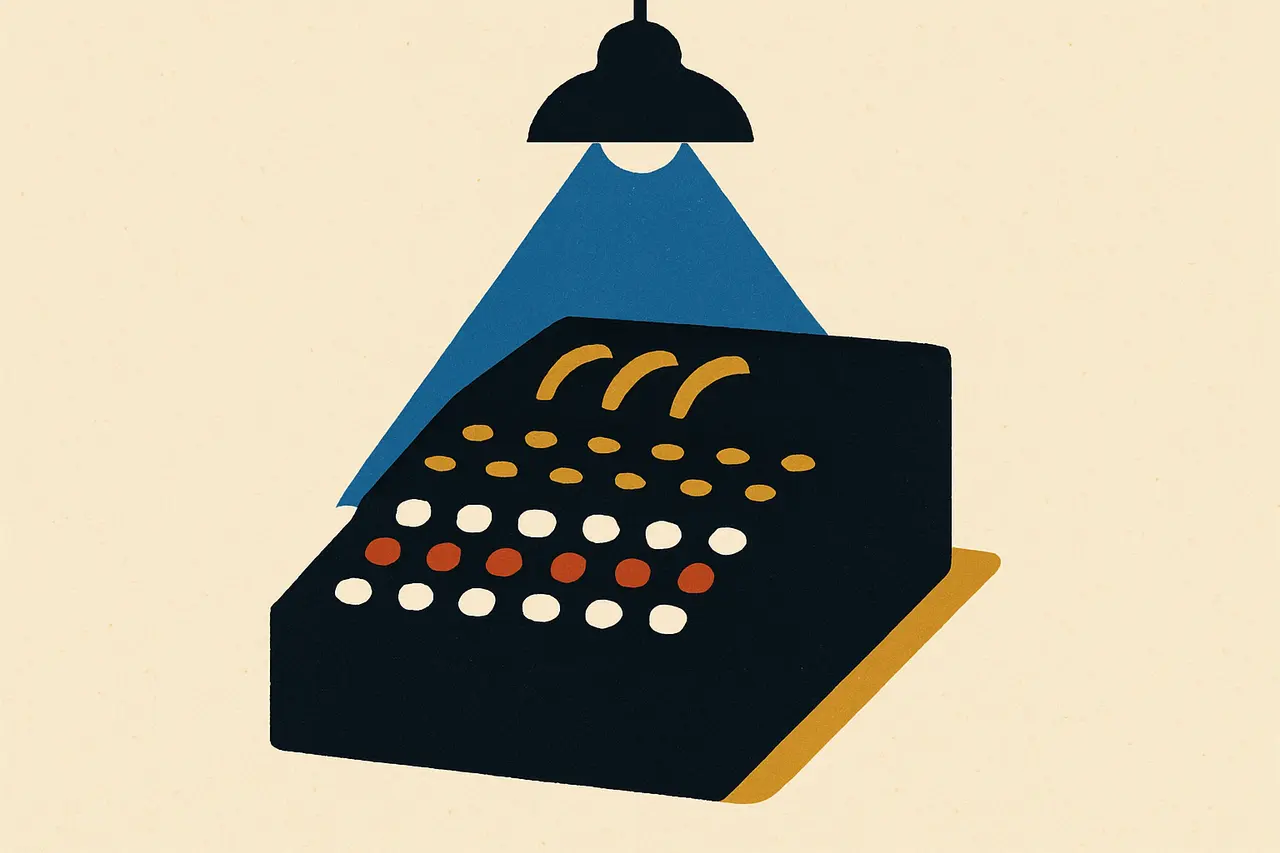
During the Second World War, Britain’s codebreakers gathered at Bletchley Park to crack the Enigma machine, the device the German armed forces used to encipher their communications. The work was so secret it stayed classified until 1974.
Enigma’s strength lay in its rotors and plugboard, which scrambled each letter through a shifting electrical maze. The combinations ran into the astronomical, and the Germans reset the settings every day at midnight, so any progress vanished by morning. Yet the machine carried a fatal flaw: a letter could never encipher as itself. That single quirk gave the codebreakers a foothold.
They exploited it using “cribs” — stretches of plaintext they could reasonably guess, like routine weather reports or a predictable sign-off such as “Heil Hitler.” Mathematician Alan Turing, building on the work of Polish cryptologist Marian Rejewski, who had first broken Enigma in the 1930s, helped design the Bombe: an electromechanical machine that ran through possible settings and discarded any that produced the impossible self-encipherment. Turing’s Hut 8 team tackled German naval signals, helping route Allied convoys away from U-boat “wolfpacks.” The resulting intelligence was code-named Ultra.
Bletchley grew from around 200 staff in 1939 to nearly 9,000 by 1944, roughly three-quarters of them women.
Experts have suggested the Bletchley Park codebreakers may have shortened the war by as much as two years.
Turing’s reward was cruel. Prosecuted for homosexuality in 1952 and subjected to chemical castration, he died in 1954. A royal pardon came only in 2013.
Sources & references
2 referencesWell-established. Corroborated by 2 independent sources.