Tanks first fought on 15 Sept 1916 — only 18 of 49 made it
On this day · 15 September 1916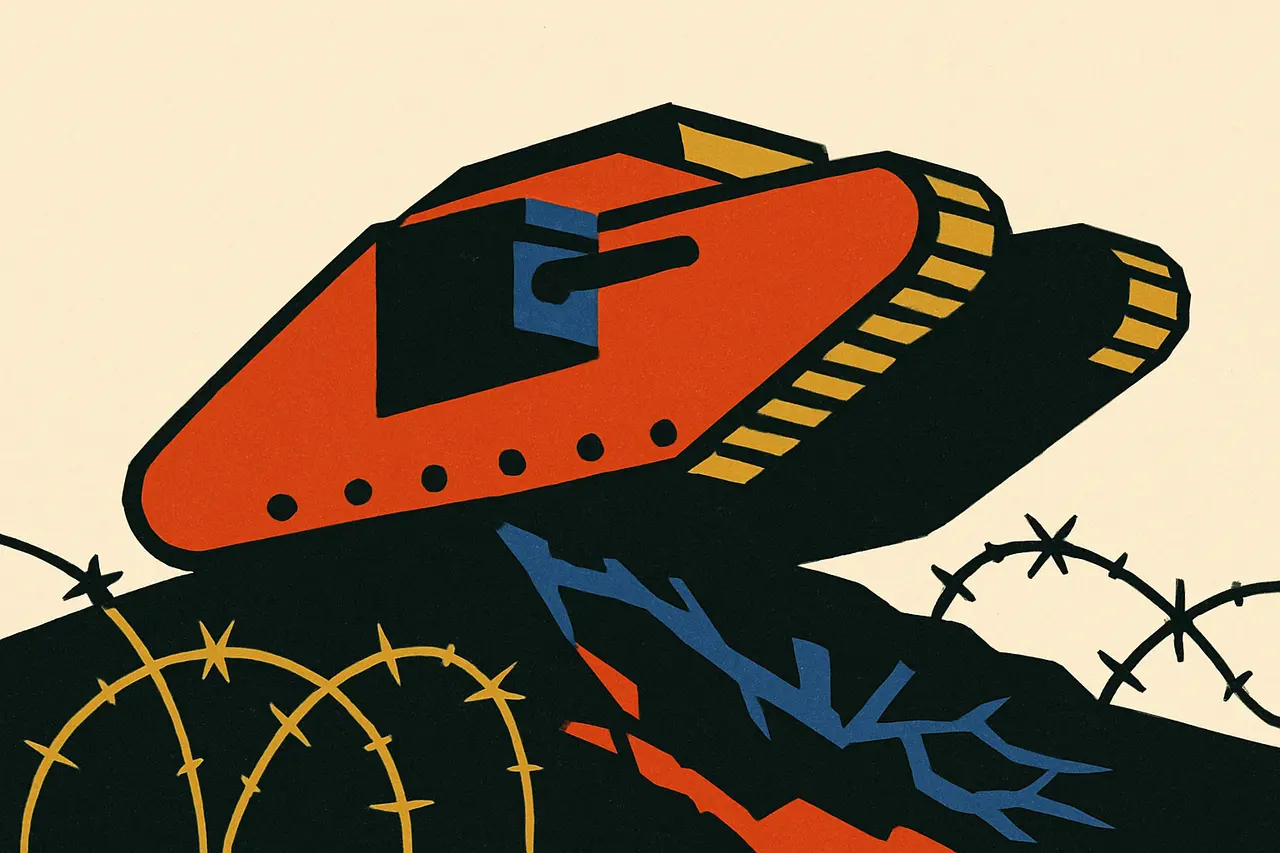
Britain's Mark I tanks debuted at Flers-Courcelette on 15 September 1916. Of 49 earmarked, just 18 actually went into action.
Tanks were first used in battle on 15 September 1916, when the British sent Mark I tanks into the Battle of Flers-Courcelette, part of the Somme offensive in northern France. Each one weighed 28 tons, carried a crew of eight, and could manage about 3.7 mph on good ground, which the shell-torn Somme did not offer.
Most of the first tank force never reached the fight:
| Mark I tanks, 15 September 1916 | Number |
|---|---|
| Earmarked for the attack | 49 |
| Reached the start line | 32 |
| Actually went into action | 18 |
The rest broke down, ditched, or stuck fast in shell holes and trenches. Those that kept going pitched up and down “like ships in a rough sea,” in the Tank Museum’s phrase, but they could flatten barbed wire, cross most trenches and shrug off rifle and machine-gun fire. Their crews, from the Heavy Section of the Machine Gun Corps, were young, and many had never been in action. By nightfall the villages of Flers and Courcelette had fallen, but the advance was only about 2,500 yards (2.3 km) on a three-mile front.
Why were they called tanks?
Because secrecy depended on nobody guessing what they were. The machines reached the Western Front hidden under tarpaulins and under guard, and even British soldiers nearby were told nothing more than one word. Horace Calvert, interviewed for the Imperial War Museums’ oral-history archive, remembered the exchange:
“And when we asked what it was, the simple reply was, ‘Tanks.’ We naturally assumed water tanks and we’d no reason to think otherwise.” — Horace Calvert
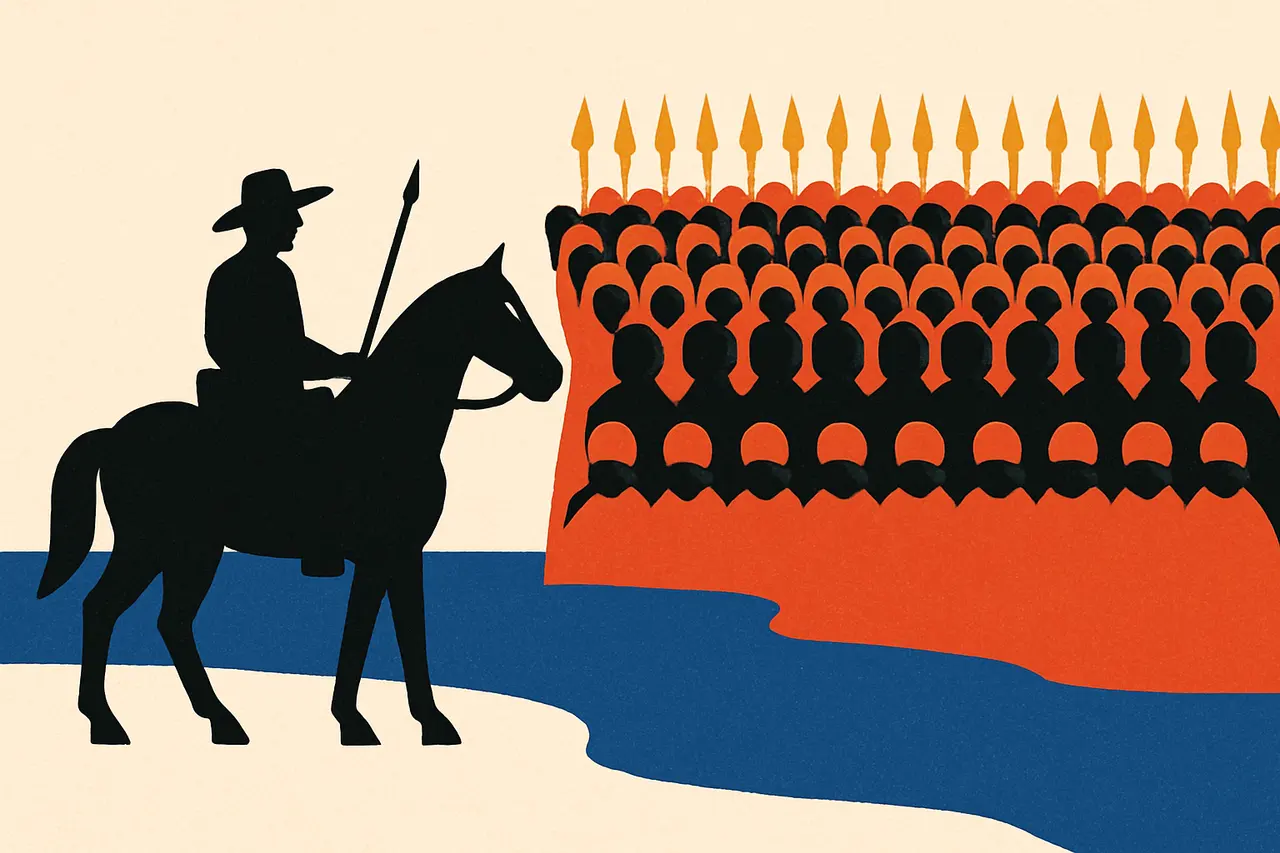
The surprise worked on the other side too. A British press report quoted by the Tank Museum described German outposts at dawn watching “two mysterious monsters” crawling towards them over the craters.
Seventeen months earlier, chemical weapons saw their first large-scale use at Ypres in another attempt to break the trench deadlock. Neither broke it on its own, but the tank, unlike gas, went on to dominate land warfare.
Sources & references
4 referencesWell-established. Corroborated by 3 independent sources.