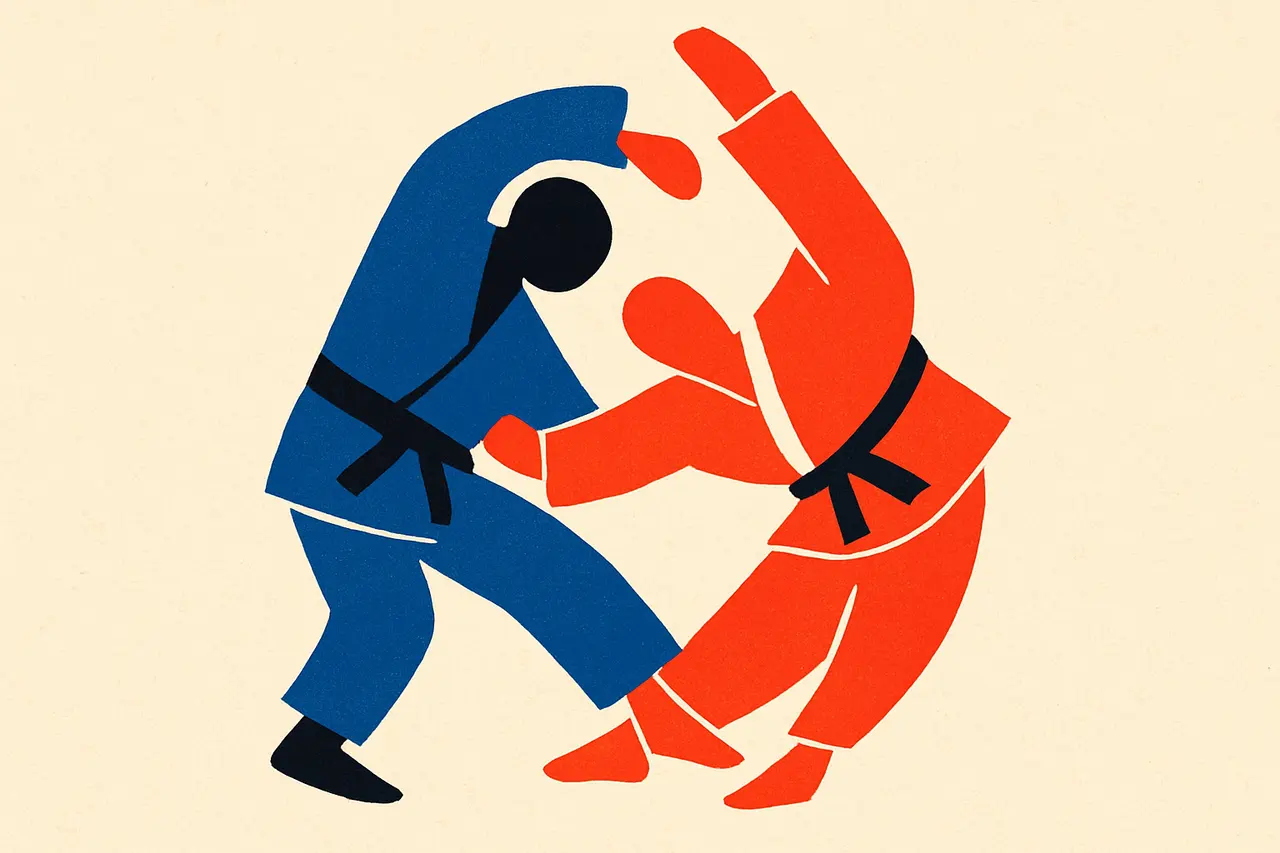
Sumo grew out of Shinto ritual - and still performs it
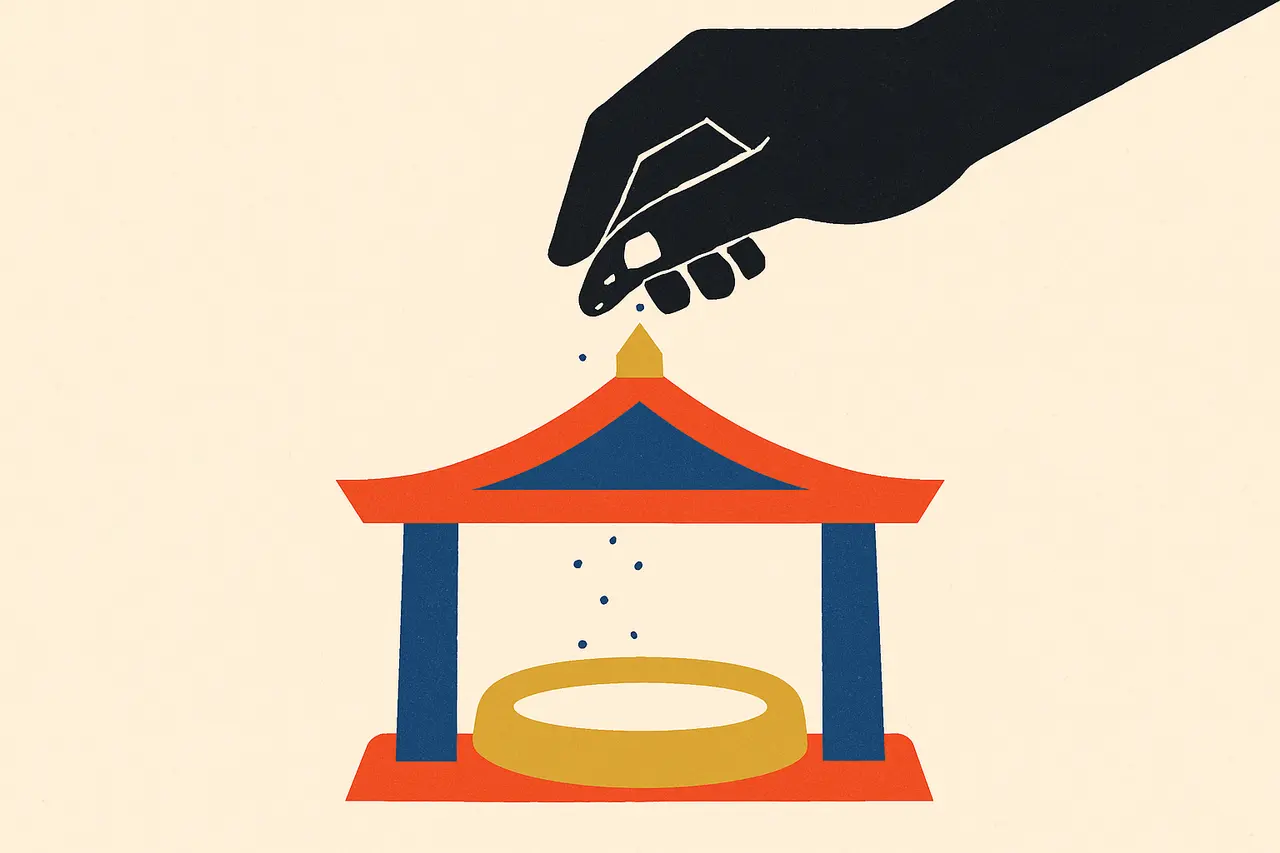
Before it was a national sport, sumo was an offering to the gods. The salt the wrestlers throw is a purification rite, not a flourish.
Long before it became Japan’s professional national sport, sumo had sacred roots. Its earliest forms trace to Shinto rituals meant to honour the kami (spirits) and pray for a good harvest, with wrestling staged as a kind of offering to the gods.
Under Imperial patronage between 710 and 1185, sumo was gradually refined from a brutal submission contest into a highly ritualised toppling match, and professional sumo as we know it dates from public matches revived after 1600.
Sumo can be traced back to ancient Shinto rituals to ensure a bountiful harvest and honor the spirits known as kami.
Much of that heritage survives in plain sight. Wrestlers fling salt into the ring before bouts - a purification practice borrowed straight from Shinto shrines, where salt cleanses a space of impurity. The clay ring, or dohyo, is treated as consecrated ground.
Sources & references
2 referencesWell-established. Corroborated by 2 independent sources.