Three out of four leading food crops depend on pollinators
Bees and other pollinators quietly underwrite a huge share of what's on your plate - and they're in decline.
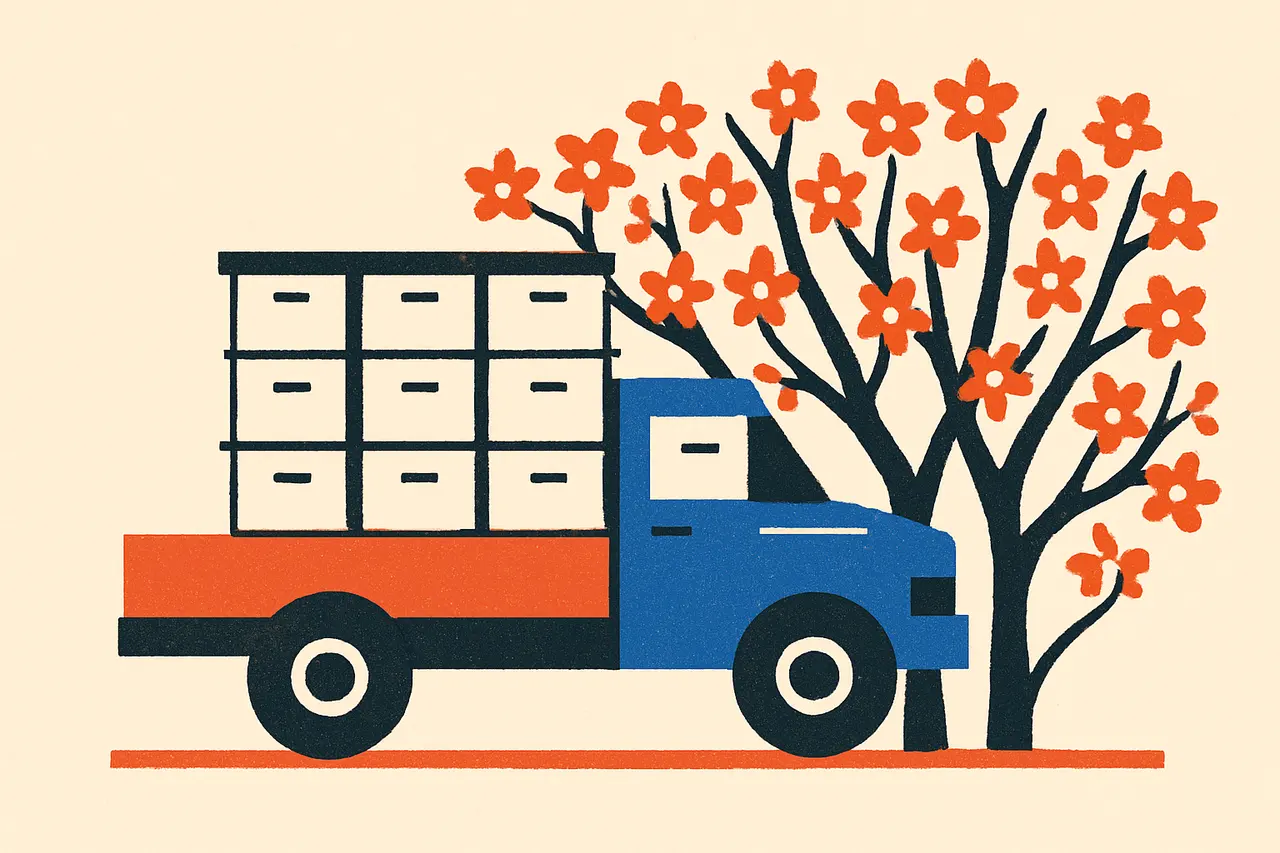
More than three-quarters of the world’s leading food crops depend, at least in part, on animal pollination - bees above all, plus butterflies, beetles, birds and bats. Apples, almonds, coffee, cocoa, avocados and pumpkins all need a pollinator to set fruit or seed.
The staples that feed the most people - wheat, rice, maize - are wind-pollinated and don’t, which is why pollinators don’t account for most of our calories. But they are essential for the fruits, vegetables, nuts and oils that supply much of our vitamins. The FAO estimates that crops dependent on pollinators are worth between $235 and $577 billion in annual global food production.
Pollinators help produce 87 of the world’s leading food crops.
These animals are under pressure. Habitat loss, intensive farming, pesticides, disease and climate change are driving declines, with an estimated 16% of vertebrate pollinators threatened with global extinction.
Sources & references
2 referencesWell-established. Corroborated by 2 independent sources.