Panama declared independence, clearing the way for the canal
On this day · 3 November 1903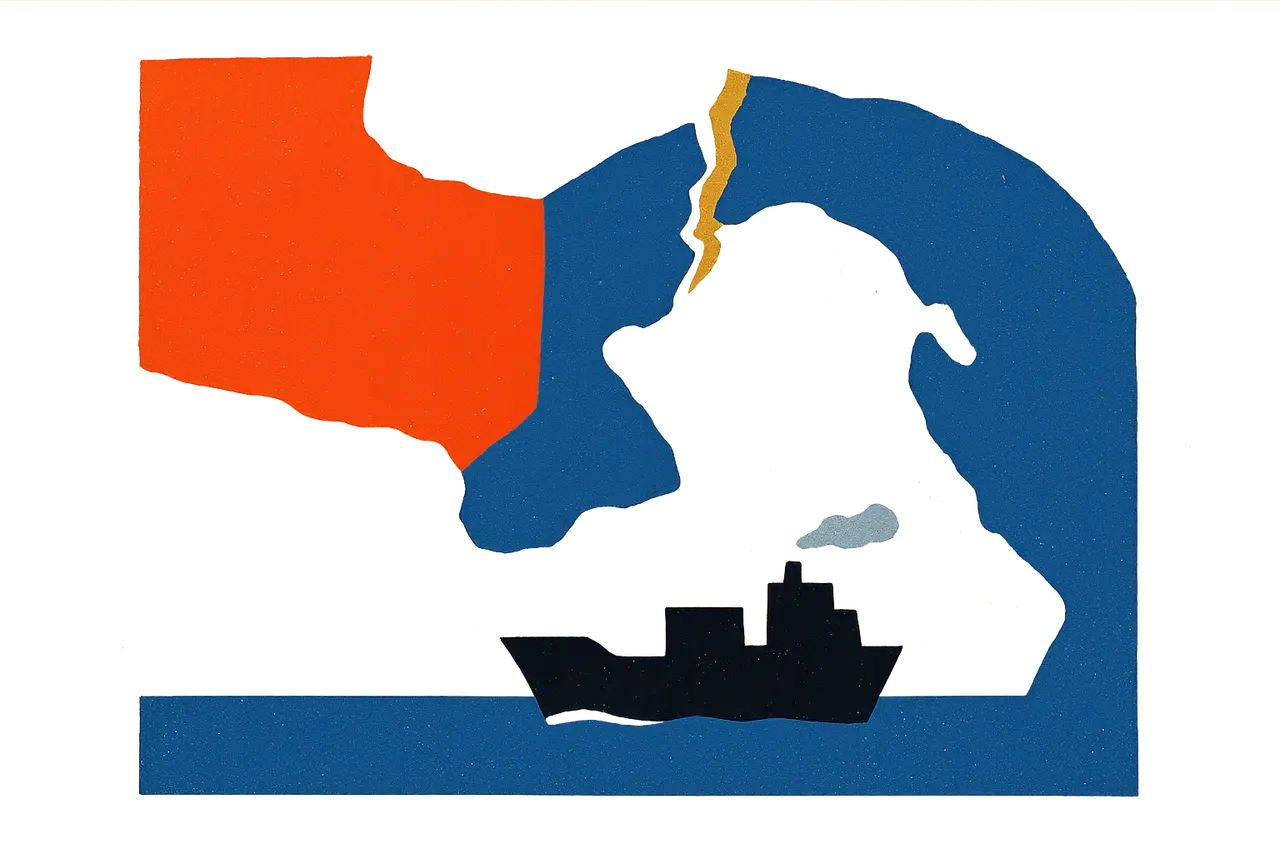
When Colombia balked at a canal treaty, Panama broke away in a near-bloodless revolt that Washington was happy to encourage.
On November 3, 1903, Panama declared its independence from Colombia, ending a union that stretched back to the days of Gran Colombia. The trigger was a canal. Earlier that year, Colombia’s senate had rejected the Hay-Herrán Treaty, which would have let the United States build a waterway across the isthmus.
Frustrated, President Theodore Roosevelt gave tacit backing to Panamanian nationalists plotting secession. The revolt was almost bloodless: Colombian troops dispatched to crush it could not negotiate the dense jungle of the Darién Gap, and an arriving U.S. warship discouraged reinforcement by sea.
Colombian troops were unable to negotiate the jungles of the Darién Gap, and Panama declared independence on November 3, 1903.
Washington recognized the new republic within days. By November 18, the Hay-Bunau-Varilla Treaty granted the U.S. control of the Canal Zone, and construction of the Panama Canal soon began — opening to traffic in 1914.
Sources & references
2 referencesWell-established. Corroborated by 2 independent sources.