Of the 20 amino acids that build you, nine must come from food
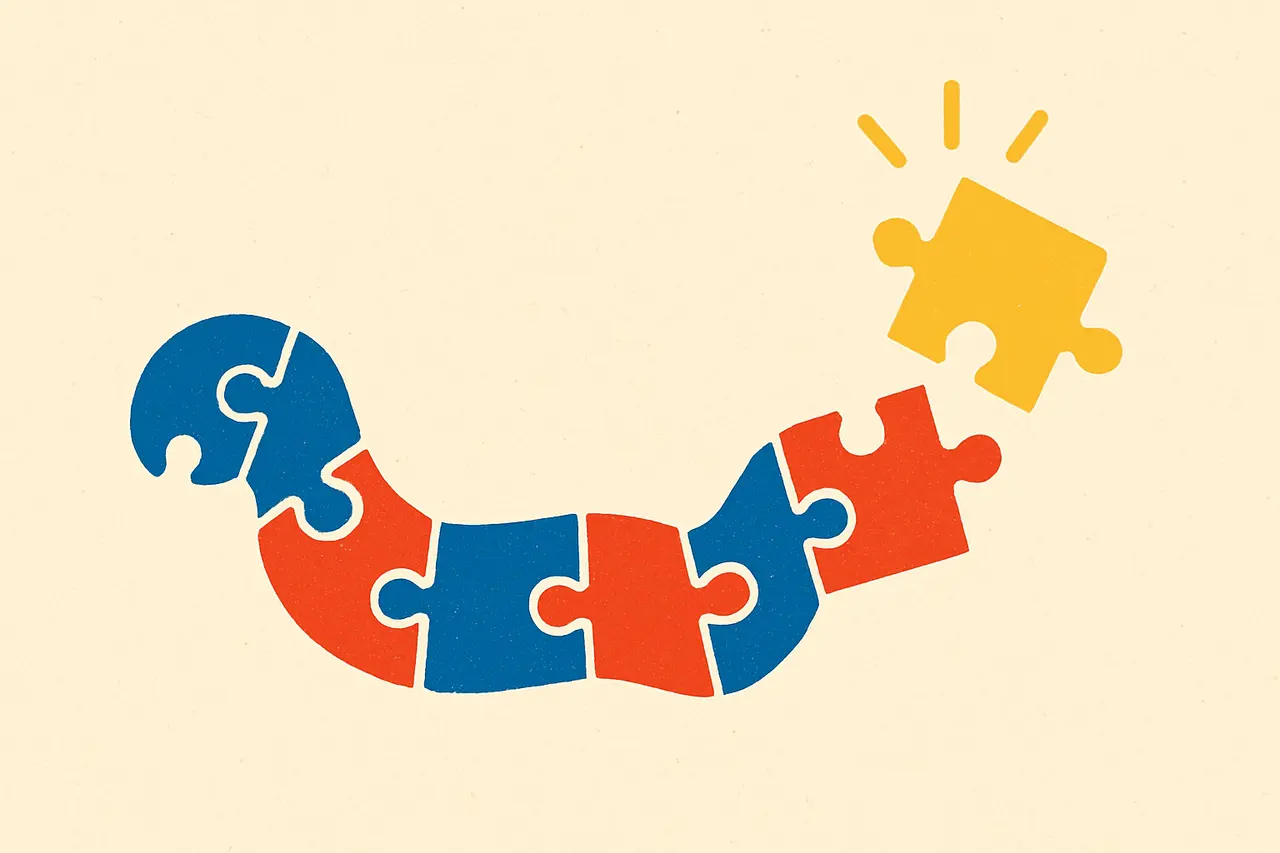
Your body can improvise most of its protein building blocks - but not these nine.
Proteins are assembled from 20 amino acids, and your cells can synthesize most of them from scratch as needed. Nine, however, your body simply cannot make. These are the essential amino acids, and the only way to get them is to eat them.
The nine are histidine, isoleucine, leucine, lysine, methionine, phenylalanine, threonine, tryptophan, and valine. Because the body can’t store a surplus the way it stockpiles fat, a steady dietary supply matters - every one is needed to build and repair tissue, enzymes, and hormones.
Nine amino acids are classified as essential because they cannot be synthesized by human or other mammalian cells.
This is what “complete protein” means: a food supplying all nine in usable amounts. Animal foods generally do; plant foods are often short in one or two, which is why varied plant diets combine sources to cover the full set.
Sources & references
2 referencesWell-established. Corroborated by 2 independent sources.