MSG is the same glutamate that's naturally in tomatoes, cheese and breast milk
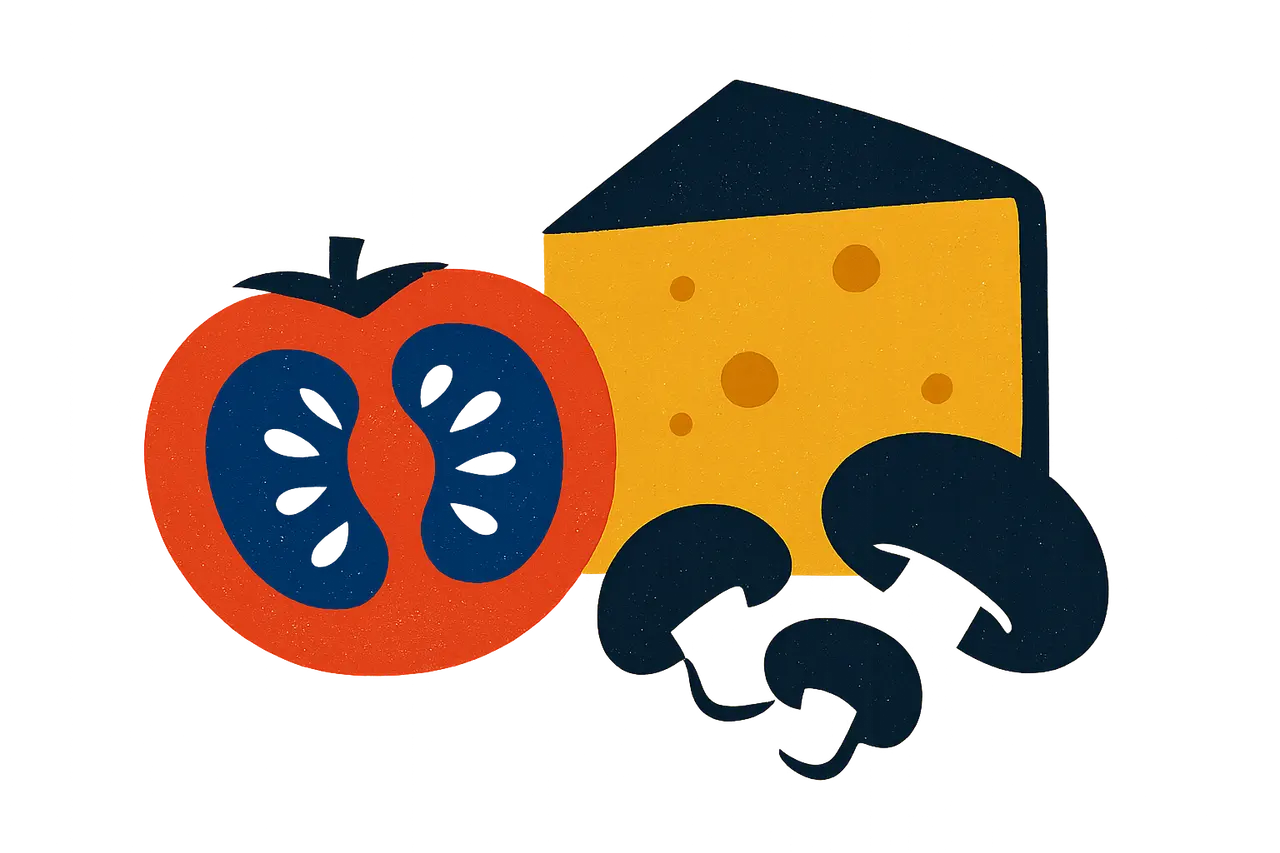
The much-maligned additive delivers the exact molecule your body already meets in Parmesan, ripe tomatoes - and human milk.
Monosodium glutamate has a fearsome reputation for a substance that’s chemically mundane. MSG is simply the sodium salt of glutamic acid, one of the most common amino acids in nature. Drop it in water or food and it splits apart, releasing free glutamate - the very molecule responsible for umami, the savory fifth taste.
Here’s the part that defangs the scare: that free glutamate is identical to the glutamate already abundant in foods people happily eat. Ripe tomatoes, aged Parmesan, mushrooms, cured ham, and soy sauce are all rich in it. So is human breast milk, which carries notably high levels of free glutamate. Once dissolved, glutamate salts “behave exactly as free glutamate” - the source makes no difference.
Your tongue and your gut can’t tell a tomato’s glutamate from a factory’s.
After you swallow, the body treats all of it the same way, releasing free glutamate into circulation regardless of how it arrived. Studies estimate that added MSG accounts for only a small slice - roughly 6 to 12% - of total glutamate intake; the rest comes from ordinary protein-rich food.
MSG was first isolated from seaweed broth in Japan; today it’s made by fermenting starch or molasses, a process closer to brewing vinegar than to industrial chemistry.
Sources & references
2 referencesWell-established. Corroborated by 2 independent sources.