Mexico's independence began with a priest's dawn call in 1810
On this day · 16 September 1810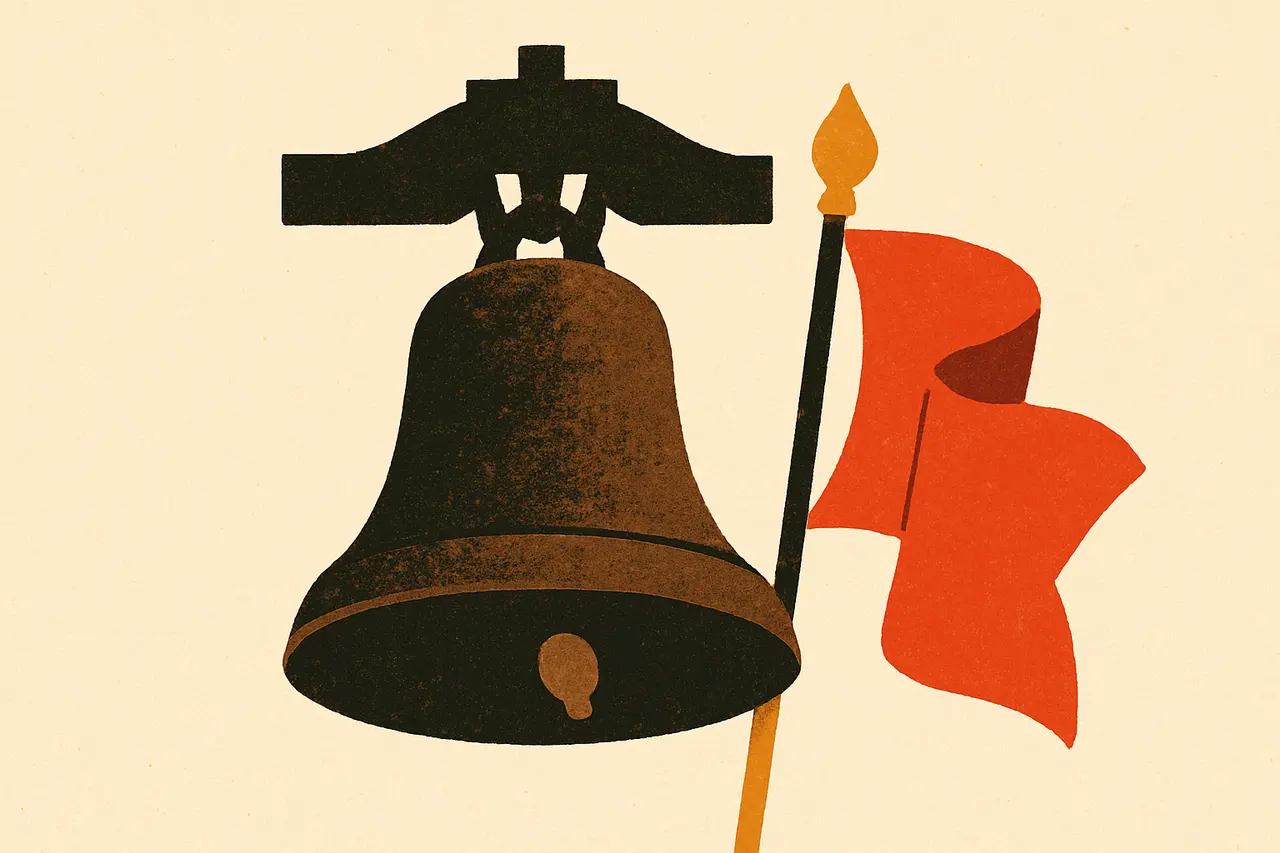
Hidalgo's Grito de Dolores came before dawn on 16 September 1810; Mexico re-enacts it the night before, a habit older than Porfirio Díaz.
Mexico’s War of Independence began in the early hours of 16 September 1810, when Miguel Hidalgo y Costilla, the 57-year-old parish priest of Dolores in Guanajuato, had his church bell rung to summon the town and called on it to rise against Spanish rule: the Grito de Dolores.
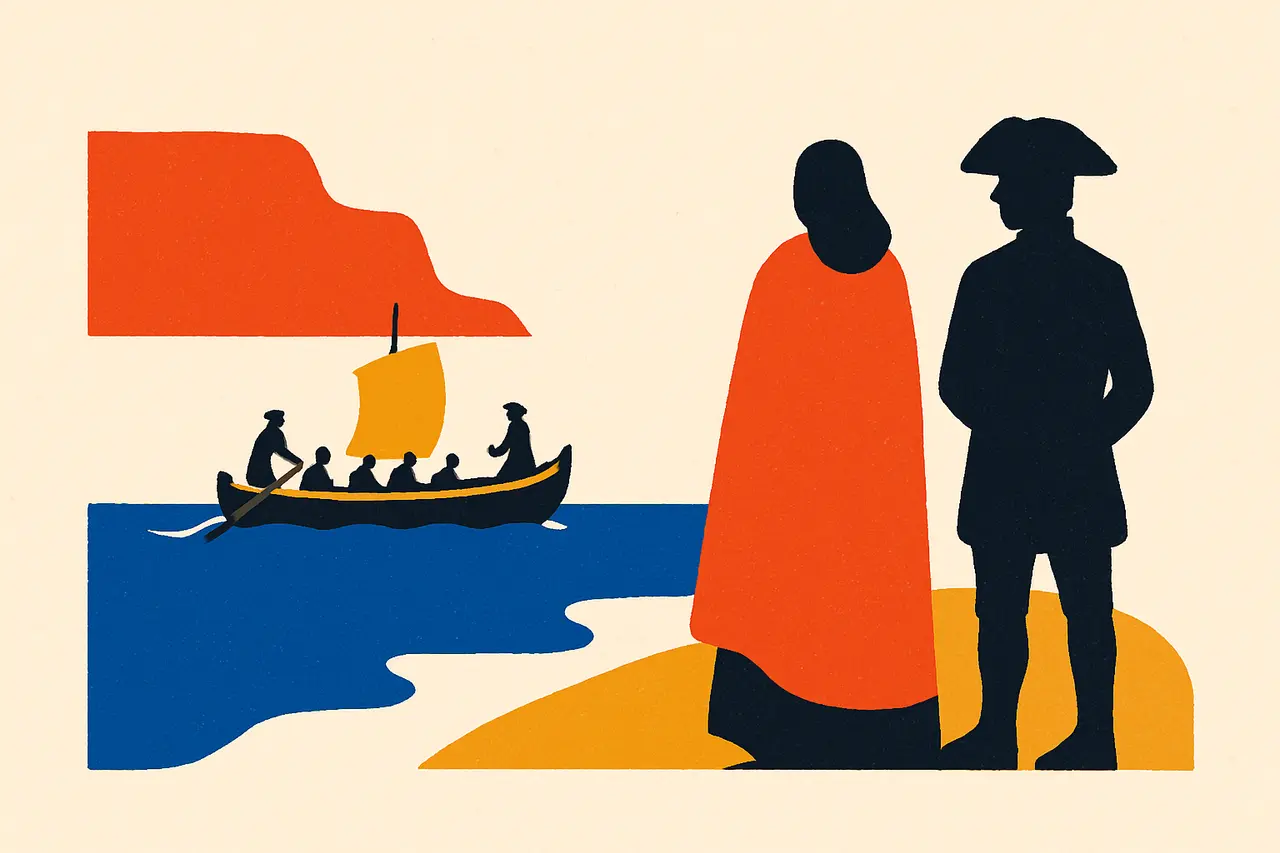
He moved early because the plot had been exposed: the conspiracy hatched in Querétaro had been discovered, and the arrest of a friend warned Hidalgo that time had run out. With several hundred parishioners, his first act was to seize the prison at Dolores.
The rising grew fast, a crowd of Indigenous and mixed-race followers marching behind a banner of the Virgin of Guadalupe, but its leader’s part was brief. Hidalgo’s forces lost at Aculco on 7 November 1810 and were routed at the Bridge of Calderón on 17 January 1811. He was captured, stripped of the priesthood and shot in Chihuahua in 1811. The war ground on until 27 September 1821, when the Army of the Three Guarantees entered Mexico City, eleven years after the Grito. Across Spanish America the same break was under way; Venezuela declared independence in 1811.
Why Mexico shouts on the night of the 15th
Today the president rings a bell from the central balcony of the National Palace at 11 p.m. on 15 September, not at dawn on the 16th. A popular story says Porfirio Díaz, who ruled from 1876, moved the date to match his birthday, traditionally given as 15 September. The evidence says otherwise: UNAM historian Alfredo Ávila points to testimony of people celebrating on the night before the 16th as early as 1824, in keeping with the Hispanic custom of eve-of-feast festivities, the verbenas de la víspera. Díaz’s real contribution was theatrical. In 1896 he had Hidalgo’s original bell brought from Dolores to the National Palace so he could ring it himself, and it has hung there since.
Sources & references
4 referencesWell-established. Corroborated by 4 independent sources.