Nations signed the Montreal Protocol to save the ozone layer
On this day · 16 September 1987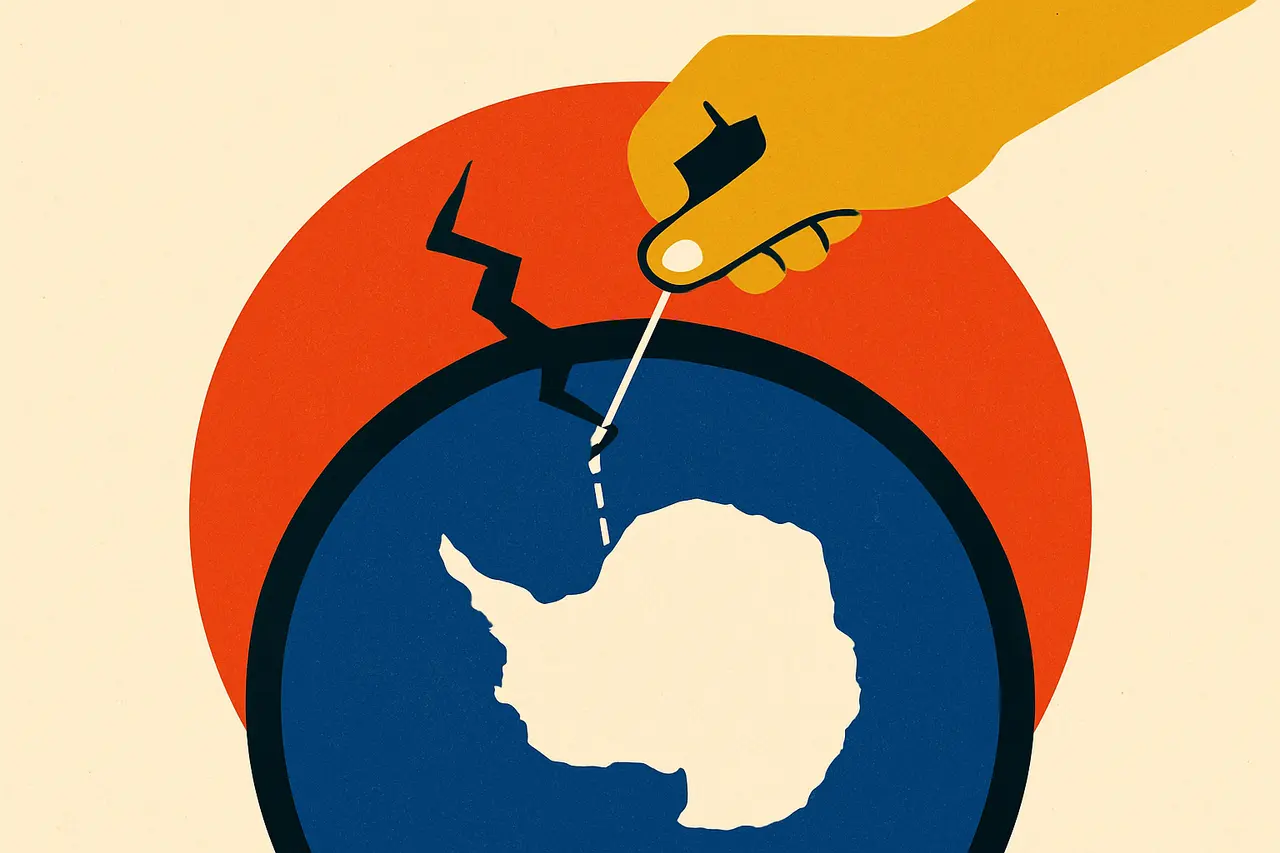
The world agreed to phase out the chemicals eating its ultraviolet shield, in the rarest of things: a treaty that worked.
On 16 September 1987, 46 countries signed the Montreal Protocol on Substances that Deplete the Ozone Layer, agreeing to phase out the chlorofluorocarbons (CFCs) and halons that were thinning the stratospheric ozone shielding Earth from harmful ultraviolet rays. It entered into force on 1 January 1989.
The trigger was alarm over the Antarctic ozone hole, identified just two years earlier. Rather than wait for certainty, governments acted, then tightened the rules repeatedly as the science sharpened.
It worked. The treaty has since been ratified by every UN member state — the first in the organization’s history to achieve that — and roughly 98% of controlled substances have been phased out. The ozone layer is now projected to recover around mid-century.
Often called the most successful environmental agreement ever struck, it remains the rare global promise the world actually kept.
Sources & references
2 referencesWell-established. Corroborated by 2 independent sources.