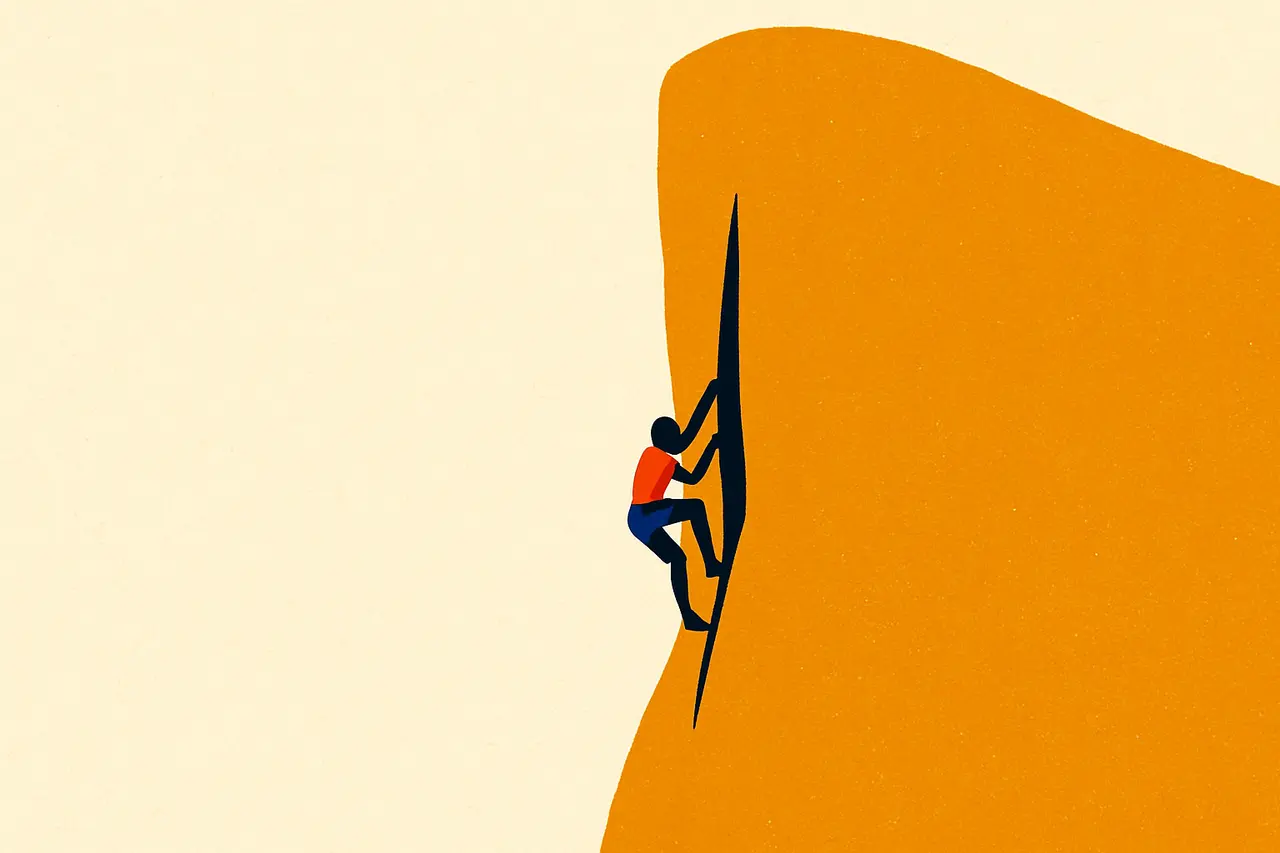
Two climbers reached Everest's summit on lungs alone
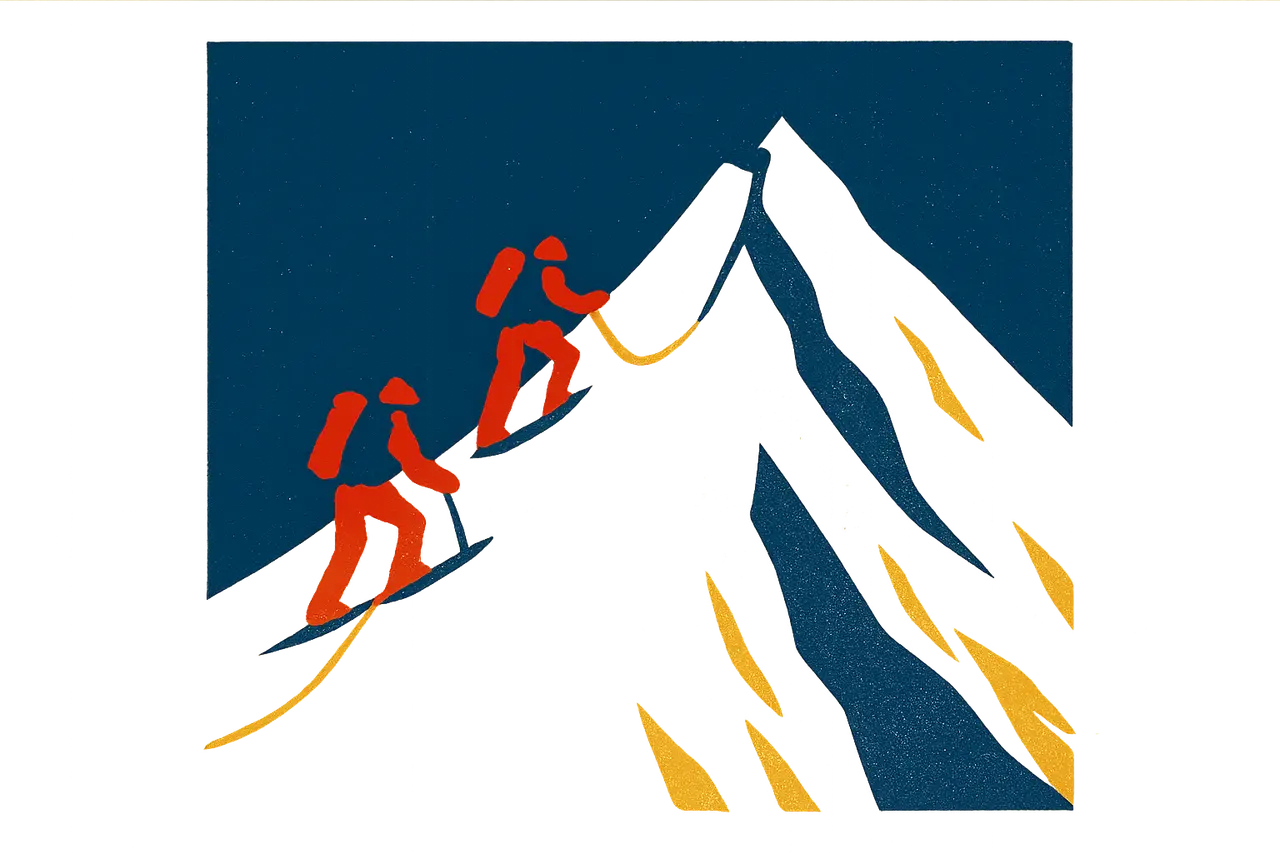
Doctors said it was physically impossible. In 1978, Messner and Habeler did it anyway.
Until 1978, many physiologists believed the summit of Mount Everest was simply out of reach for an unaided human. The numbers looked damning. Near the top, the oxygen partial pressure is only about a third of its value at sea level - the thin air starves the blood so severely that doctors thought it could sustain a person only at rest. An attempt without bottled oxygen, they warned, risked irreversible brain damage or death in what climbers now call the death zone.
On 8 May 1978, Italian Reinhold Messner and Austrian Peter Habeler proved them wrong, becoming the first people to climb Everest without supplemental oxygen. Setting out from about 7,985 meters, they fought to the 8,850-meter summit in the early afternoon. The final stretch reduced both to crawling, gasping wrecks - Habeler hallucinated, and Messner later described himself as “a single narrow gasping lung.”
Doubters insisted they must have sneaked sips from a bottle. To answer them, Messner returned in 1980 and climbed Everest entirely alone and without oxygen, in monsoon season, with no fixed ropes or support - a feat so extreme it silenced most of the skepticism for good.
They had turned an impossibility into a new standard.
The achievement redrew the limits of both human physiology and the sport. Forcing doctors to rethink what the body could survive, it also reset the ethics of elite Himalayan climbing: among purists, an oxygen-free ascent is now the only one that truly counts.
Sources & references
2 referencesWell-established. Corroborated by 2 independent sources.