Madrid's rebels are executed by Napoleon's troops, immortalized by Goya
On this day · 3 May 1808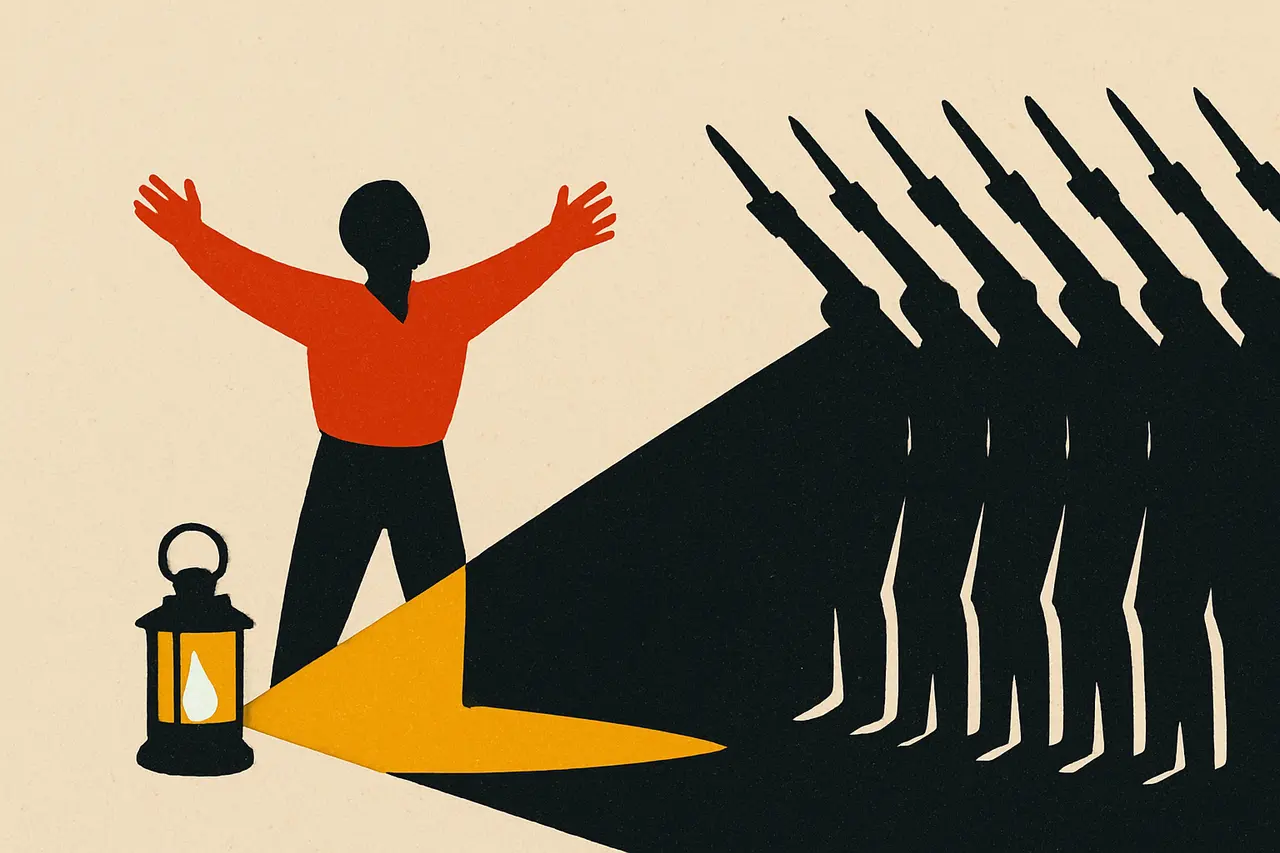
In the dawn hours, French firing squads shot the Madrid insurgents of the day before — a massacre Goya turned into one of art's great paintings.
On May 3, 1808, in the early-morning hours outside Madrid, French troops executed hundreds of Spaniards rounded up after the Dos de Mayo uprising the previous day. The rebellion of May 2 — a largely civilian revolt against Napoleon’s occupation — had been crushed, and Marshal Murat decreed that anyone caught “arms in hand” would be shot.
The firing squads worked through the night and into the dawn, with killings near the hill of Príncipe Pío and other sites across the city.
Six years later, Francisco Goya commemorated the slaughter in The Third of May 1808, painting a lantern-lit firing squad facing a terrified, arms-flung victim.
It is widely regarded as the archetypal image of the horrors of war.
The killings hardened Spanish resistance and helped ignite the Peninsular War, a grinding conflict that would drain Napoleon’s armies for years.
Sources & references
2 referencesWell-established. Corroborated by 2 independent sources.