Lincoln issued the preliminary Emancipation Proclamation
On this day · 22 September 1862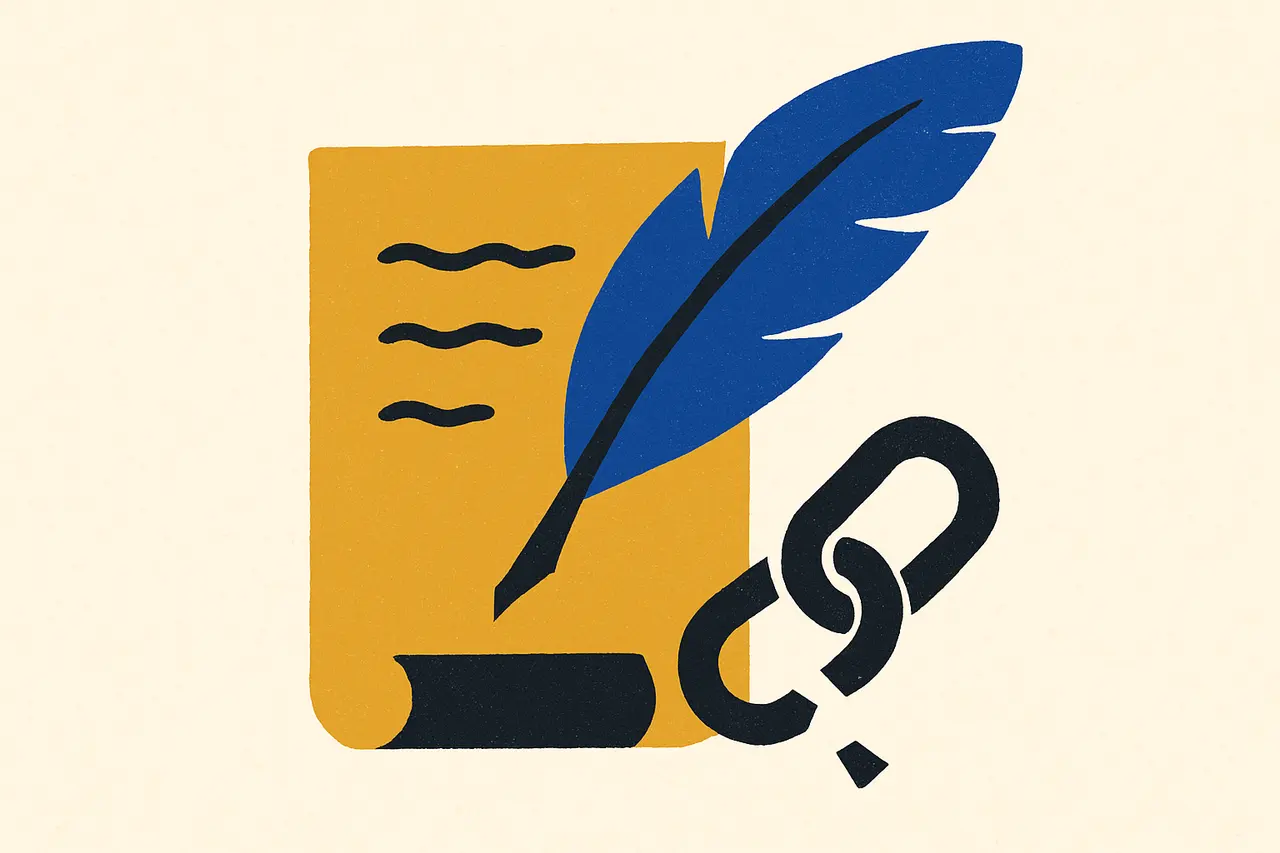
Five days after Antietam, Lincoln warned the rebel states: free your enslaved people by January, or the Union will.
On September 22, 1862, President Abraham Lincoln issued the preliminary Emancipation Proclamation, recasting the Civil War as a fight against slavery. It declared that enslaved people in any state still in rebellion on January 1, 1863 would be “thenceforward, and forever free.”
The timing was deliberate. Secretary of State William H. Seward had urged Lincoln to wait for a battlefield win so the move would not look like an act of desperation. The bloody Union stand at Antietam, five days earlier, gave him his opening.
The document was a warning shot with a 100-day fuse, not yet a final order. No Confederate state returned to the fold, so on the appointed January day Lincoln issued the final proclamation. Roughly 3 million enslaved people fell within its scope, and it cleared the way for Black men to enlist in the Union army.
It freed no one instantly, yet it changed what the war was for.
Sources & references
2 referencesWell-established. Corroborated by 2 independent sources.