Tunguska 1908: an asteroid airburst that left no crater
On this day · 30 June 1908
On 30 June 1908 a space rock exploded 10 km above Siberia and felled 80 million trees; scientists took 19 years to reach the site.
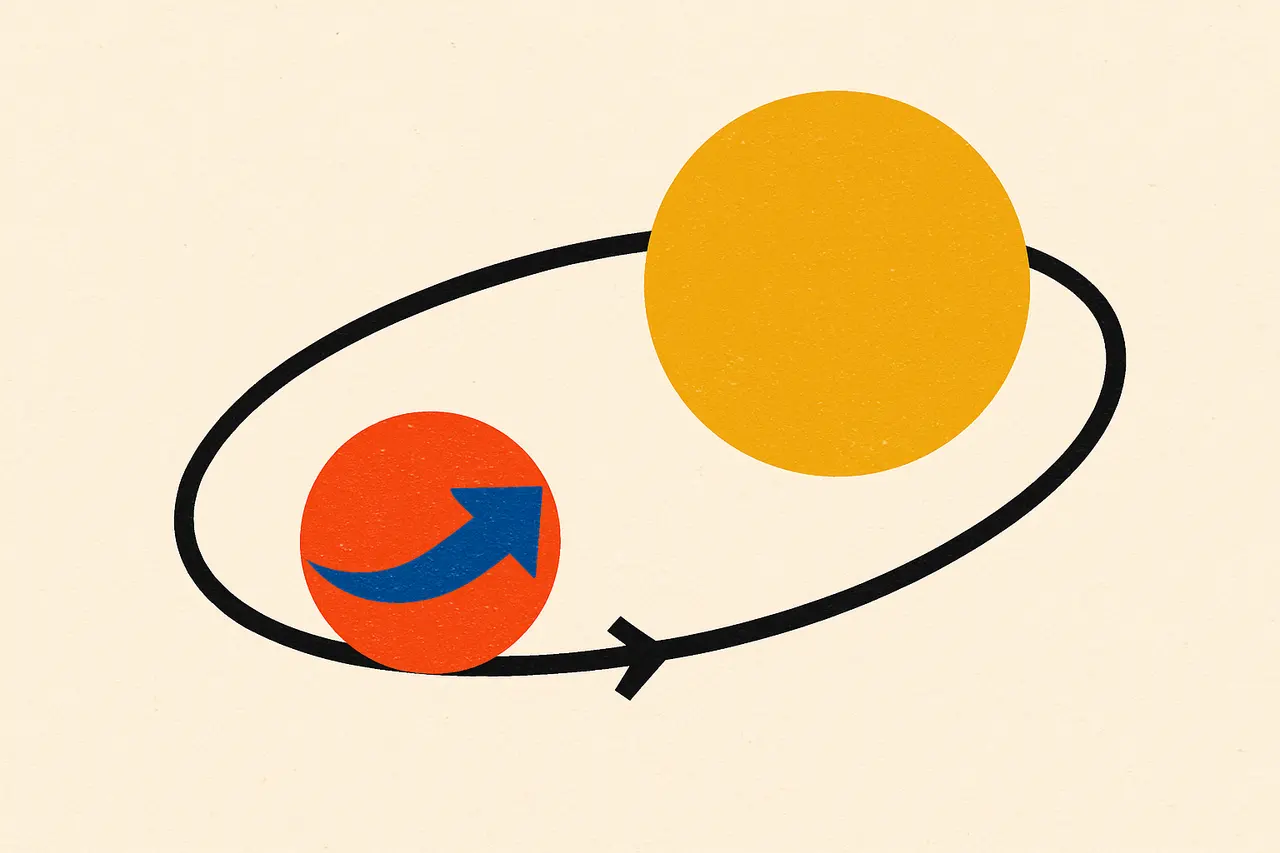
The Tunguska event of 30 June 1908 was the midair explosion of an asteroid, probably a stony body 50 to 80 metres across, about 10 kilometres above a remote part of Siberia; it released 10 to 20 megatons of energy and felled some 80 million trees without leaving a crater.
Local eyewitnesses reported a fireball, a huge explosion, forest fires and trees blown flat for miles. Seismic instruments in Russia hundreds of miles away recorded the shock, and Royal Museums Greenwich notes tremors were registered as far as England. Yet because the region was so remote, the event drew only brief attention even within Tsarist Russia. The investigation, in order:
- 1921: The Soviet Academy of Sciences sent geologist Leonid Kulik, but he could not reach the site.
- 1927: Kulik finally arrived, 19 years after the blast. Around the epicentre he found trees still standing but stripped of branches and bark, the so-called “telegraph pole” trees, while further out the trunks lay in a radial pattern pointing away from the centre.
- 1930: With no object found, rival theories flourished, including a suggestion that it was a fragment of a comet.
- 1950s and 1960s: Aerial and ground surveys mapped a butterfly-shaped zone of destruction extending 9 to 22 miles from the epicentre.
- 2018: A NASA Ames workshop re-ran Tunguska with computer models built after the 2013 Chelyabinsk airburst.
Those upright trees are the giveaway that it burst in the air: they are what a shock wave from directly overhead would leave. Kulik never found the object itself. Estimates of the flattened area also vary: Royal Museums Greenwich gives 1,287 square kilometres, while NASA’s figure from the later surveys is 830 square miles (about 2,150 km²).
The 2018 workshop’s most useful revision concerned frequency. Comparing Tunguska with the known asteroid population, the experts concluded that blasts of this size strike at intervals of millennia, not centuries, as had previously been thought.
Sources & references
5 referencesWell-established. Corroborated by 3 independent sources.