Greece's 1973 coup ousted Papadopoulos for liberalising
On this day · 25 November 1973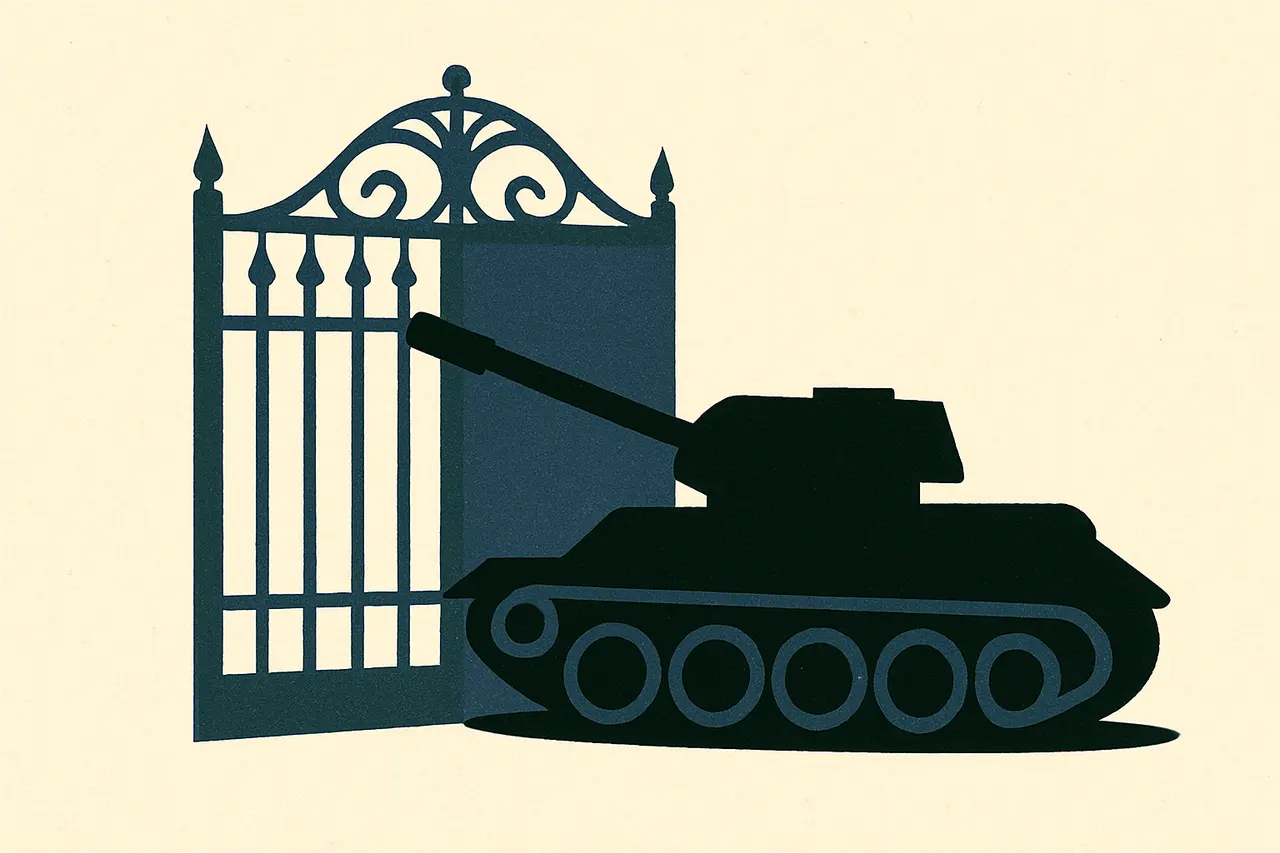
On 25 November 1973 Greece's military-police chief deposed the junta's own dictator — for moving toward elections too fast. Eight months later, the regime collapsed.
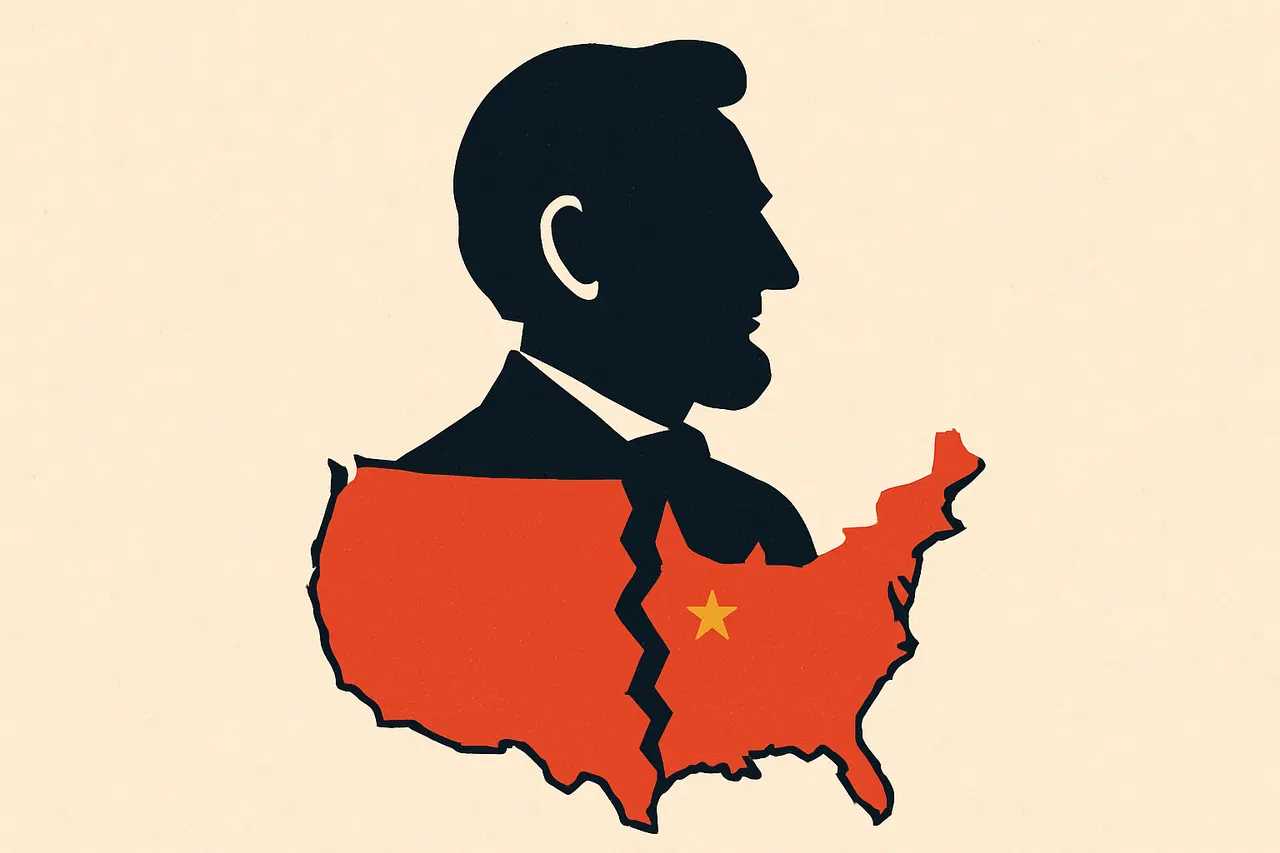
Greece’s dictator Georgios Papadopoulos was overthrown on 25 November 1973 by hardliners inside his own regime, led by Brigadier Demetrios Ioannidis, chief of the feared military police — and the charge against him was that he was liberalising too quickly.
Tanks rolled into Athens before dawn and met almost no resistance. The coup came eight days after troops crushed the student occupation of the Athens Polytechnic; the BBC reported at the time that 13 people had died and hundreds were injured, and the toll has been debated ever since. Papadopoulos had abolished the monarchy earlier in 1973, made himself president and begun a cautious move towards elections. The plotters’ communiqué called their coup a “continuation of the revolution of 1967” and accused him of “pushing the country towards parliamentary rule too quickly”.
Ioannidis took no title. Lieutenant-General Phaedon Gizikis was sworn in as president and a civilian, Adamantios Androutsopoulos, became prime minister, but both answered to the brigadier.
What the US ambassador saw coming
The American embassy read the new order within a day. Ambassador Henry Tasca cabled Washington on 26 November that Ioannides had “masterminded the entire new coup” and warned that his rule risked polarising the country and splitting the armed forces.
“There is no reason to think he believes in democracy.” — US Ambassador Henry Tasca, cable to the State Department, 26 November 1973
He was right about the instability. In July 1974 the regime backed a coup by the National Guard in Cyprus against Archbishop Makarios, and Turkey invaded the island. On 23 July 1974, with its Cyprus gamble in ruins, the junta stepped aside and recalled former prime minister Constantine Karamanlis from exile in Paris. A referendum later that year rejected restoring the king, and Ioannidis was tried for high treason and jailed for life. The hardliners had toppled Papadopoulos to stop a slow return to parliamentary rule; within eight months they had delivered a fast one.
Sources & references
3 referencesWell-established. Corroborated by 2 independent sources.