George Westinghouse patented the air brake
On this day · 5 March 1872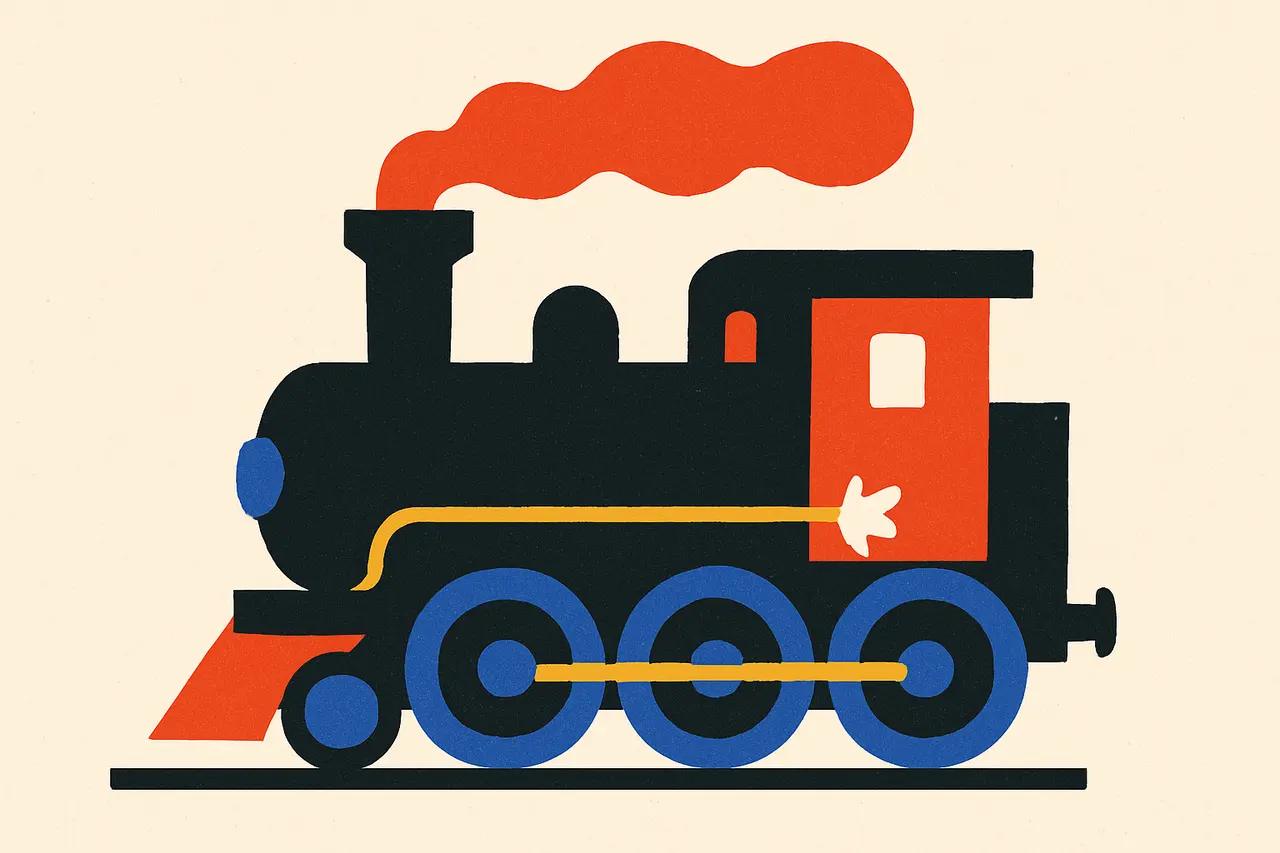
A jet of compressed air gave engineers the power to stop an entire train at once, transforming railway safety overnight.
On March 5, 1872, the U.S. Patent Office granted George Westinghouse Jr. patent No. 124,405, titled an “Improvement in steam air-brakes.” The young Pittsburgh inventor was refining an idea he had first patented in 1869, and this version reshaped how trains would stop for the next century and a half.
Earlier trains relied on brakemen who scrambled across moving cars to crank wheel brakes by hand, a slow and lethal job. Westinghouse routed compressed air through a pipe running the length of the train, giving the engineer a single lever to brake every car simultaneously.
Crucially, his design was fail-safe: air pressure held the brakes off, so any leak or break in the line stopped the train automatically.
That automatic safeguard turned a runaway hazard into a controlled stop and let railroads run longer, heavier, faster trains. The principle still governs braking on freight trains and trucks today, and it earned Westinghouse a fortune that funded his later work in electrical power.
Sources & references
3 referencesWell-established. Corroborated by 3 independent sources.