Edwin Land demonstrates the instant camera
On this day · 21 February 1947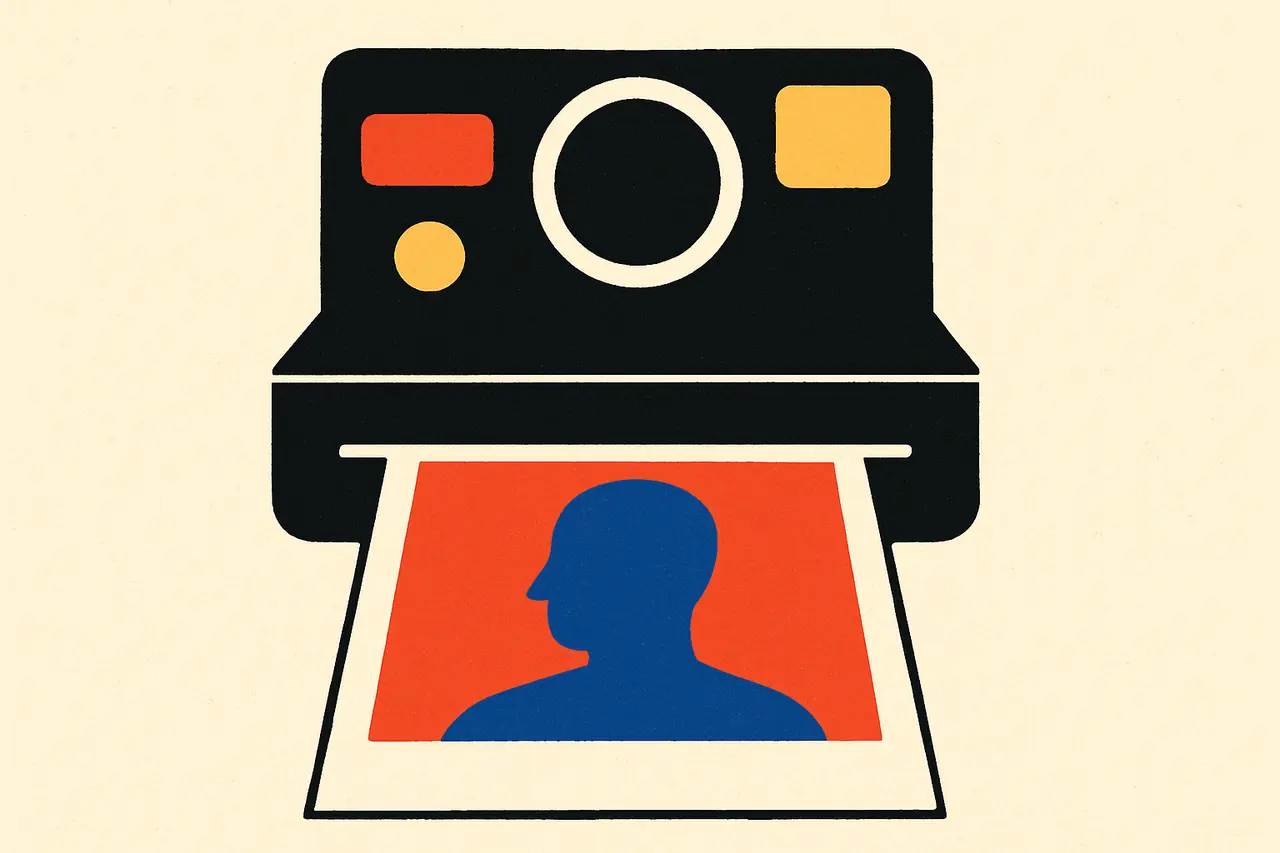
Land photographed a roomful of optical scientists and, sixty seconds later, peeled away a finished portrait—photography without a darkroom.
On February 21, 1947, the inventor Edwin Land stood before a meeting of the Optical Society of America in New York City and did something that seemed impossible: he took a photograph and handed over the finished print about a minute later, with no darkroom in sight.
Land’s camera carried its own chemistry. Each exposure pulled a sheet of negative against positive paper, squeezing a pod of reagent between them so the image developed inside the camera itself. Within roughly 60 seconds, he peeled away a portrait.
The idea traced back to his three-year-old daughter, who in 1943 had asked why she couldn’t see a photo the instant it was taken.
The first commercial model, the Polaroid Land Camera Model 95, reached stores in 1948 and sold out on its opening day. Instant photography would shape family albums, art, and eventually the selfie-driven instincts of the digital age, all from a question a child asked on vacation.
Sources & references
2 referencesWell-established. Corroborated by 2 independent sources.