Washington's 1789 inauguration came nearly two months late
On this day · 30 April 1789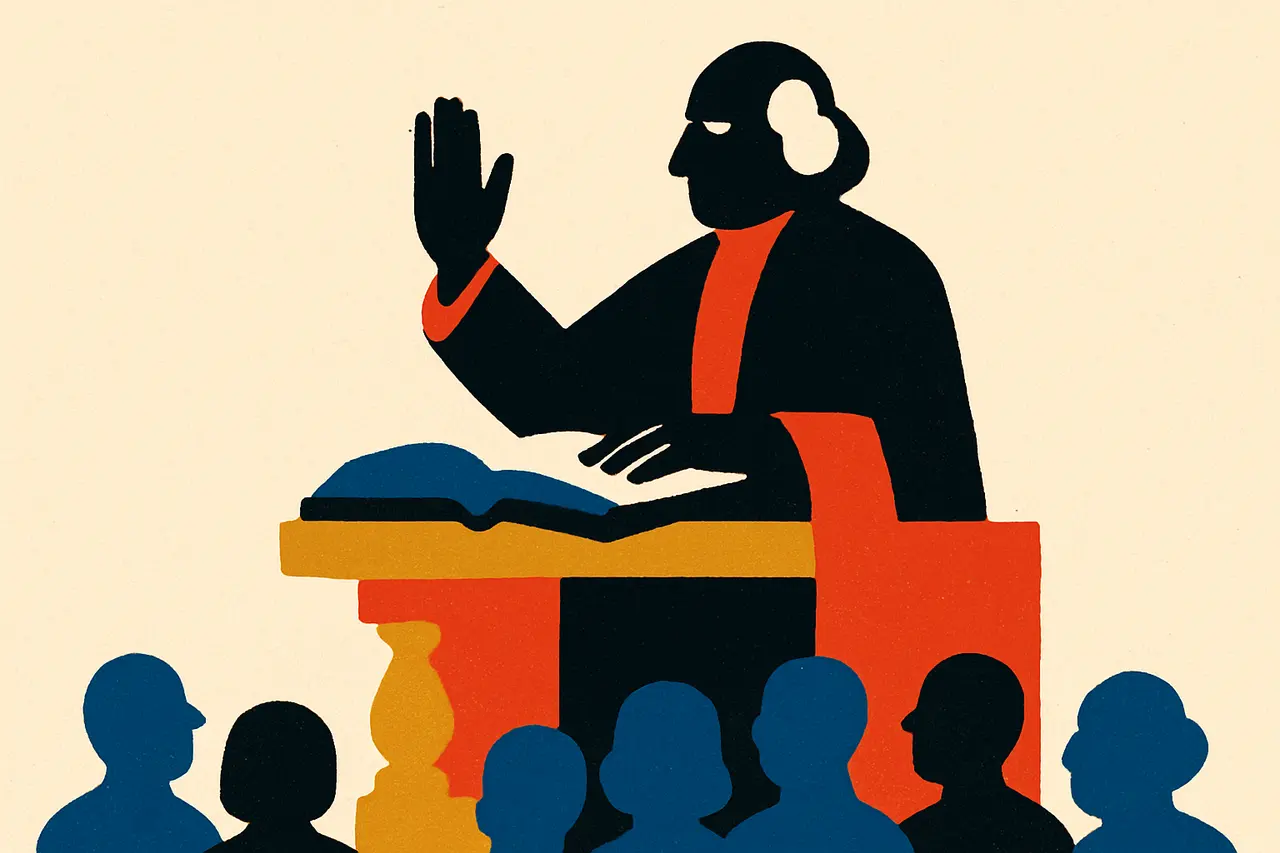
Snowbound congressmen delayed the first inauguration to April 30, 1789 — and nobody remembered a Bible until a Mason ran to fetch one.
George Washington took the first presidential oath on 30 April 1789, on the second-floor balcony of Federal Hall on Wall Street in New York City — nearly two months after the date originally set.
The Confederation Congress had scheduled the first inauguration for the first Wednesday in March 1789. An unusually cold, snowy winter stranded members of the new Congress on the roads, and without a quorum in both houses nobody could even count the electoral ballots. That finally happened on 6 April: Washington had won unanimously, with all 69 electoral votes. Only then was he notified, and he travelled up from Mount Vernon.
The ceremony itself was nearly improvised. Just before it began, organisers realised there was no Bible for the oath. Jacob Morton, marshal of the parade and master of St. John’s Lodge No. 1, a Masonic lodge, hurried off to borrow the lodge’s altar Bible, a King James edition printed in London in 1767. It arrived so late that it was opened at random — at Genesis 49:13. Robert R. Livingston, Chancellor of New York, administered the oath. The same Bible was later used by Harding, Eisenhower, Carter and George H. W. Bush.
“This great man was agitated and embarrassed… more than ever he was by the levelled Cannon or pointed Musket.” — Senator William Maclay, on Washington delivering his inaugural address
What became of the first inauguration site
The building where it all happened no longer exists. The present Federal Hall National Memorial is a later structure, opened in 1842 as the first US customs house; a bronze statue by John Quincy Adams Ward, erected in 1882, marks roughly where Washington stood. The date did not stick either: later inaugurations were held on 4 March until the Twentieth Amendment moved them to 20 January from 1937. Washington, born in 1732 under the old calendar, set the precedent of the address; the snow set the date.
Sources & references
3 referencesWell-established. Corroborated by 2 independent sources.