CERN gave the World Wide Web away to everyone, for free
On this day · 30 April 1993
On April 30, 1993, CERN placed the World Wide Web software in the public domain, letting anyone use, copy, and build on it for nothing.
On April 30, 1993, the European physics laboratory CERN signed a short document that put the World Wide Web software into the public domain. CERN relinquished all intellectual-property rights to the code and granted permission for anyone to use, duplicate, modify, and redistribute it — at no cost.
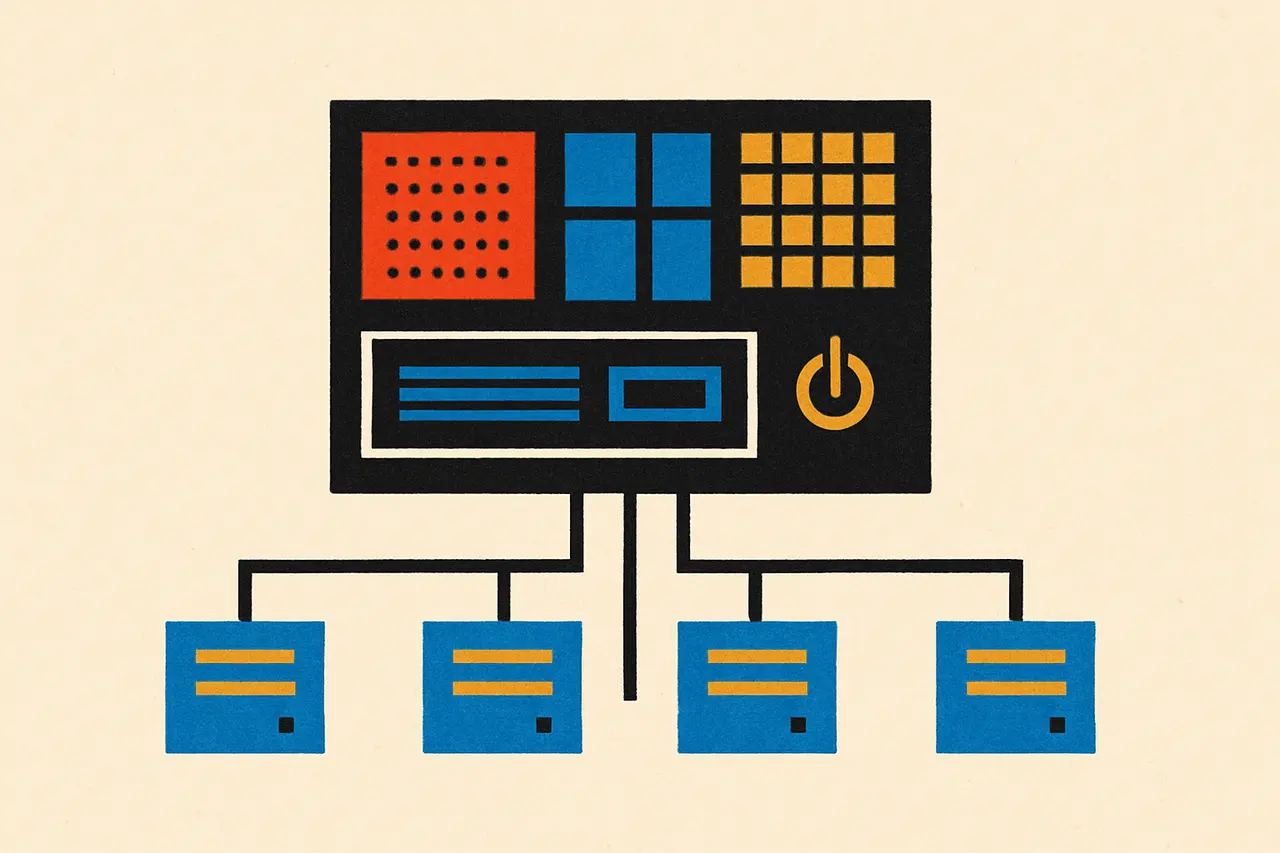
The Web had been proposed at CERN in 1989 by British researcher Tim Berners-Lee, who built the first browser, server, and page to help scientists share documents across incompatible computers. Releasing it freely, rather than licensing or patenting it, removed every barrier to adoption.
Some call that memo the single most important decision in the history of the internet.
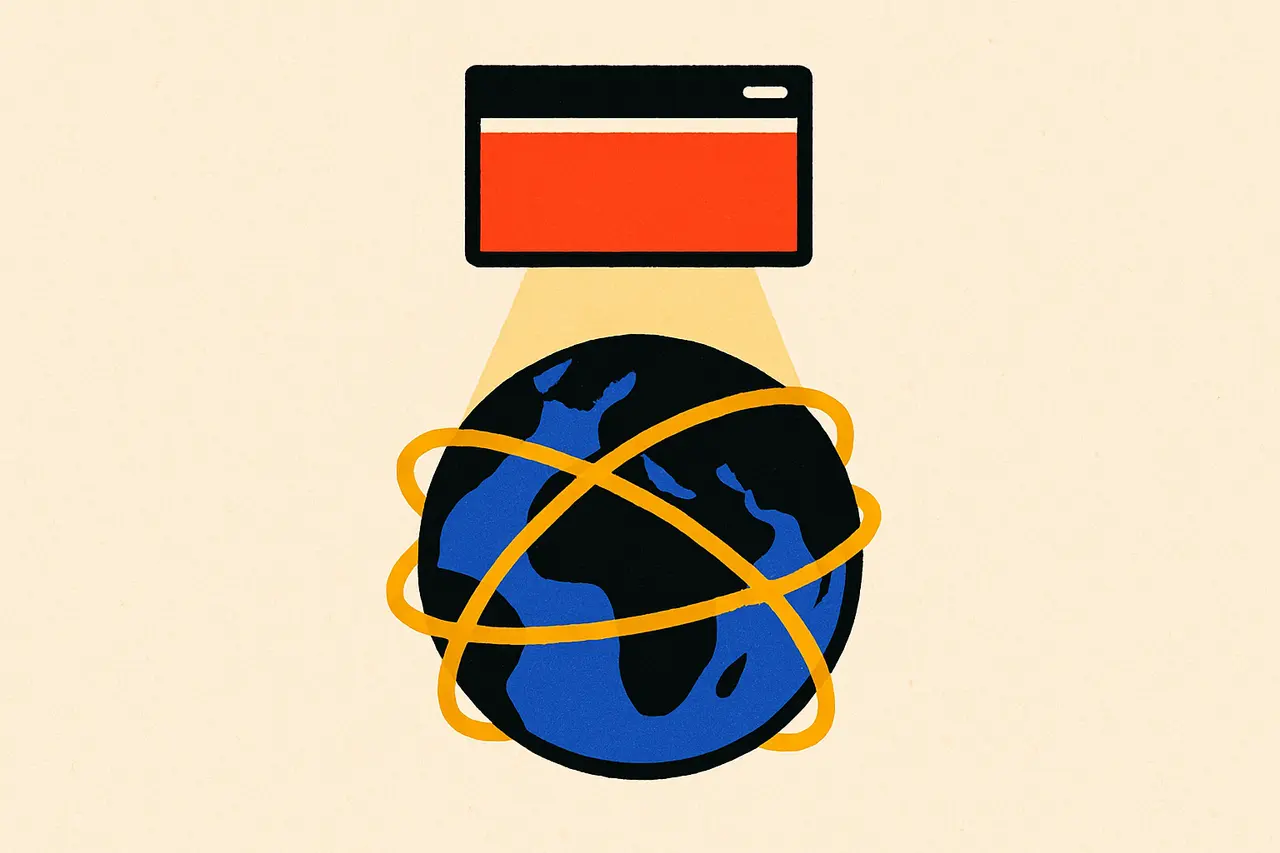
Within a few years the open Web had escaped the laboratory entirely, spawning a global explosion of websites and businesses. A rival, proprietary network might have fragmented or stalled; instead, a deliberate act of giving it away helped make the Web the default fabric of modern life.
Sources & references
2 referencesWell-established. Corroborated by 2 independent sources.