Drake sailed round the world second, but first as captain
On this day · 13 December 1577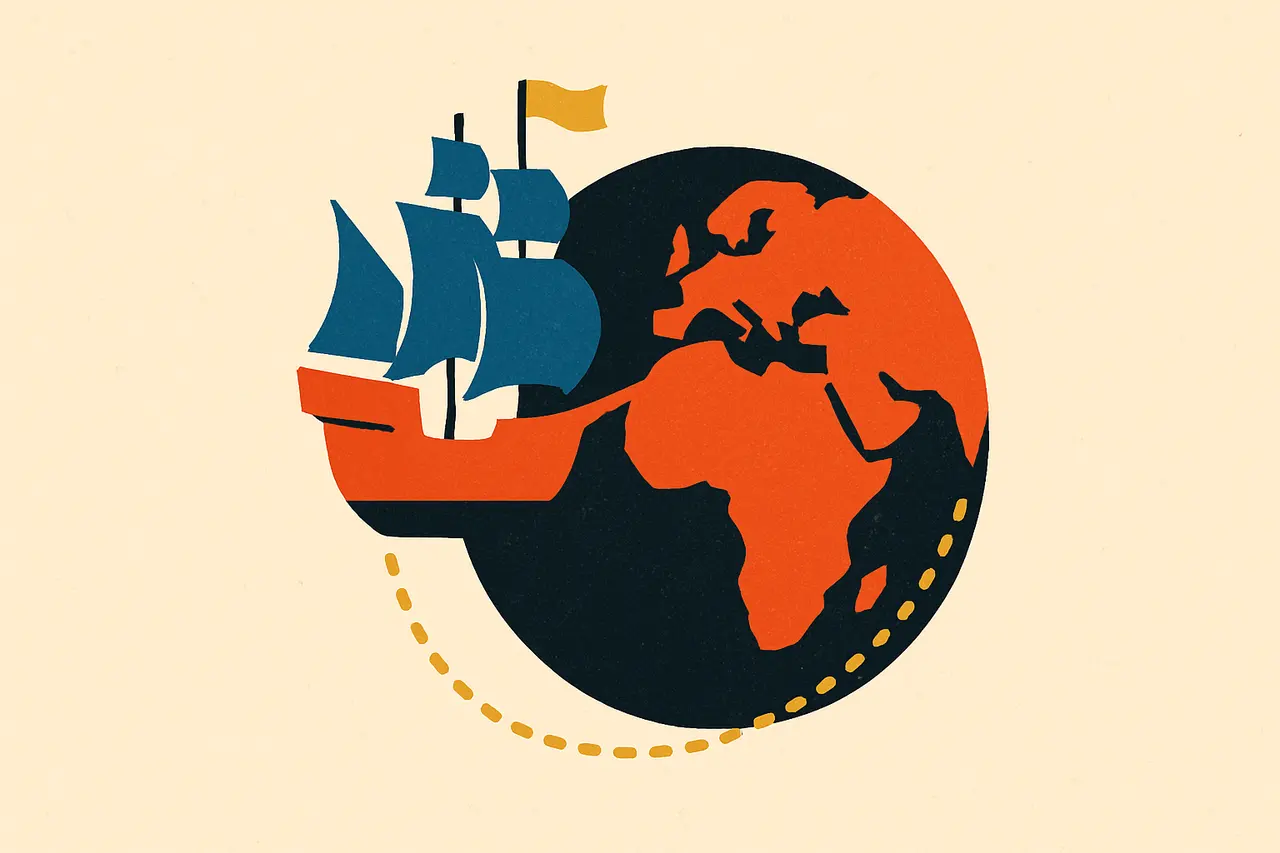
Francis Drake left Plymouth on 13 December 1577 on a voyage so secret that many of his crew thought they were going to the Mediterranean.
Francis Drake sailed from Plymouth on 13 December 1577 with five ships and 164 men and returned on 26 September 1580 in one ship, the Golden Hind. That made his crew only the second to sail all the way round the world, and Drake the first captain to take his own ship the whole way. The first circumnavigation belonged to Magellan’s expedition, but Magellan was killed in the Philippines in 1521 and the Basque navigator Juan Sebastián de Elcano brought the survivors home.
Sources disagree on when Drake left because he left twice. The fleet first sailed in November 1577, was driven back by storms, and set out again in December.
Why was the voyage kept secret?
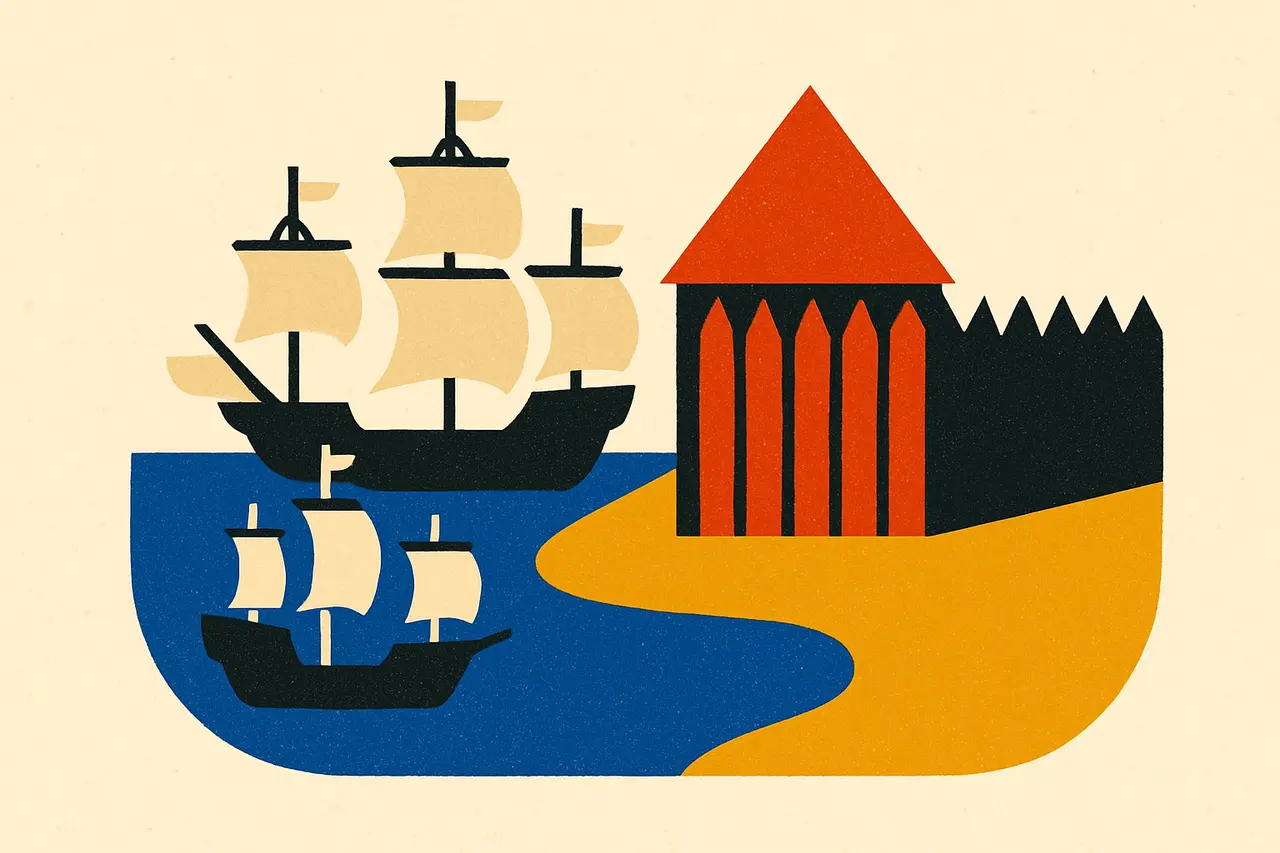
Its real purpose was to raid Spanish shipping and settlements on the Pacific coast of the Americas, while England and Spain were still formally at peace. According to Royal Museums Greenwich, many of the crew believed they were bound for the Mediterranean. Smaller supply ships were abandoned along the South American coast. One ship was wrecked in the Strait of Magellan and another turned back for England, so only the flagship, the Pelican, renamed the Golden Hind, reached the Pacific. Drake then sacked Spanish ports and captured a treasure ship.
On 17 June 1579 he anchored near 38° north in California, called the land Nova Albion and stayed about six weeks to repair the leaking ship. The Queen afterwards declared his log and paintings secrets of the realm, and the crew were sworn to silence on pain of death. That secrecy is one reason nobody agrees on exactly where he landed. Most scholars favour Drakes Estero at Point Reyes, where shards of Chinese porcelain from his plunder have been found.
Elizabeth I knighted Drake aboard the Golden Hind at Deptford in 1581.
Sources & references
3 referencesWell-established. Corroborated by 3 independent sources.