Fleming found penicillin in 1928, and foresaw resistance
On this day · 28 September 1928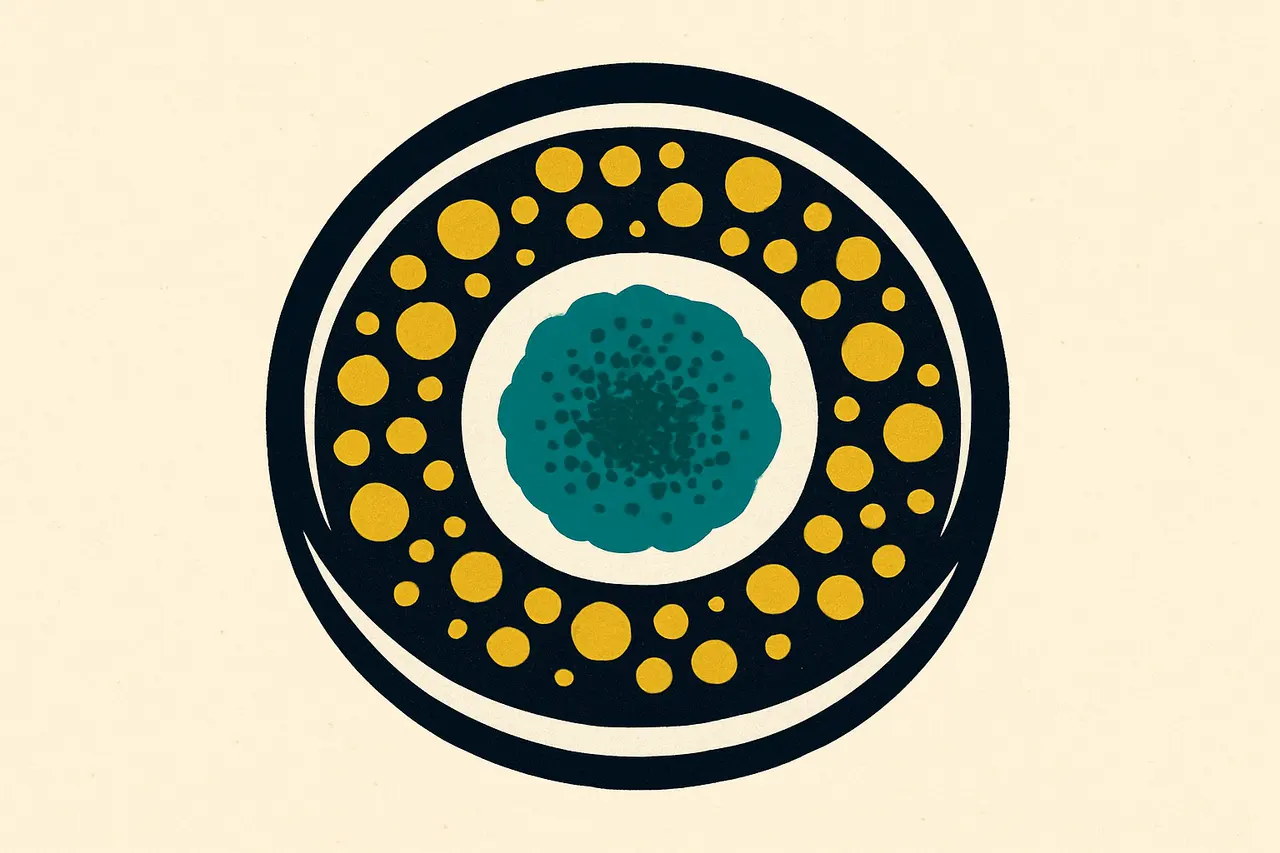
A stray mould on a Staphylococcus plate gave Alexander Fleming the first antibiotic. Seventeen years later he warned how it could stop working.
Alexander Fleming discovered penicillin in September 1928 at St Mary’s Hospital, London, when he noticed that a mould contaminating a plate of Staphylococcus bacteria had cleared a bacteria-free ring around itself. The date usually given is 28 September, soon after he returned from a holiday to plates he had left out.
The mould was a Penicillium, and its broth still stopped staphylococci growing when diluted 800 times. Fleming named the active substance penicillin. Then the trail went cold for a decade, for a practical reason rather than neglect: the chemists he enlisted could not purify it, and biochemist Harold Raistrick judged producing it for treatment “almost impossible”. Fleming gave up trying.
Turning a lab curiosity into a drug fell to Oxford. From 1937, Howard Florey and Ernst Chain took up the work. In 1940, of a group of infected mice, only the four given penicillin survived. In 1941 a policeman, Albert Alexander, rallied on the drug, then relapsed and died when the tiny supply ran out; the team had been recovering penicillin from patients’ urine.
Mass production came in the U.S., where a mould strain found on a rotting cantaloupe in Peoria, Illinois, yielded six times more than Fleming’s. Fleming, Florey and Chain shared the 1945 Nobel Prize. In his Nobel lecture Fleming warned that exposing microbes to doses too small to kill them made them resistant, and foresaw the day penicillin would be sold in shops:
“Then there is the danger that the ignorant man may easily underdose himself and by exposing his microbes to non-lethal quantities of the drug make them resistant.”
He was right. Bacteria have since evolved resistance to the original penicillin and many later antibiotics, and the World Health Organization estimates that bacterial resistance was associated with more than 4.7 million deaths worldwide in 2021.
Sources & references
5 referencesWell-established. Corroborated by 5 independent sources.