Jamestown was founded on May 13, 1607, and nearly failed
On this day · 13 May 1607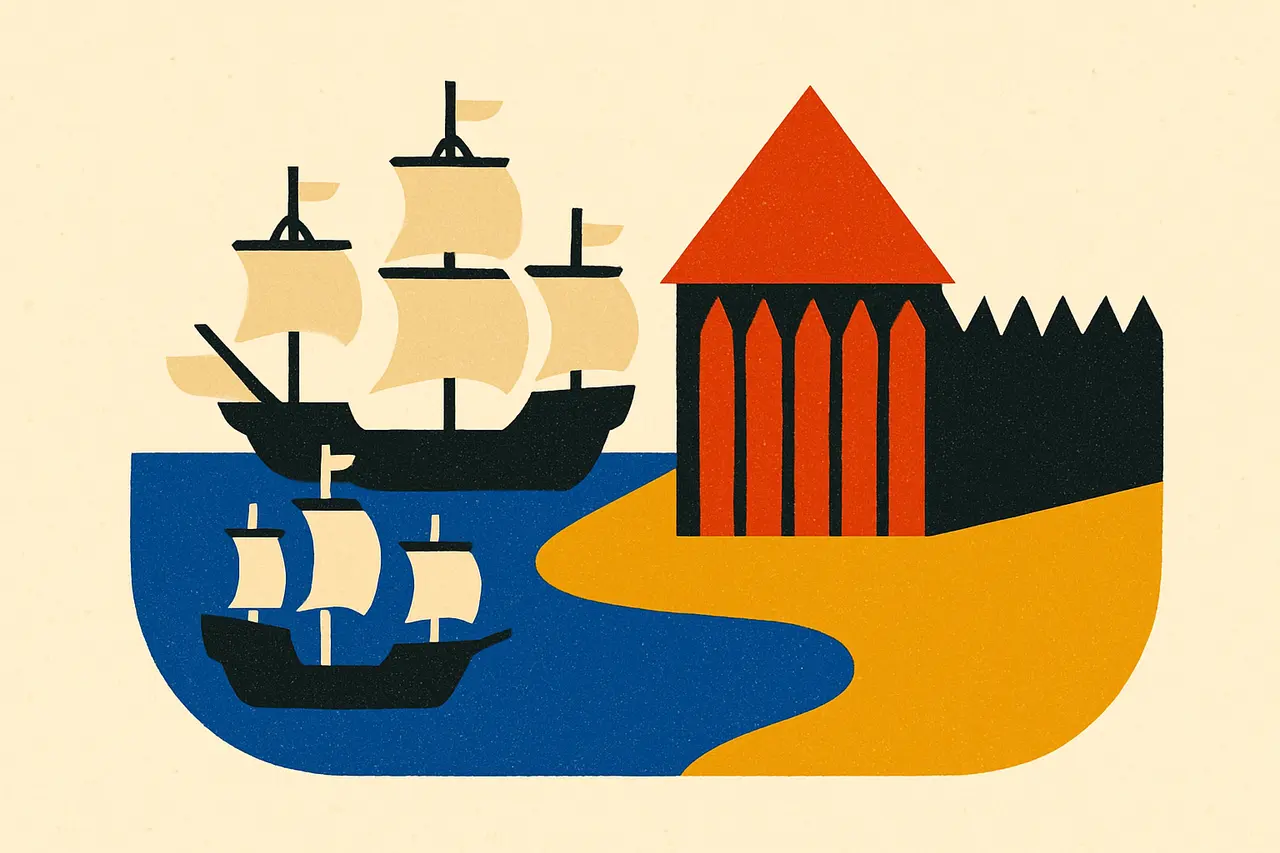
The first lasting English colony lost half its 104 settlers in four months, and its fort was thought lost to the river until the 1990s.
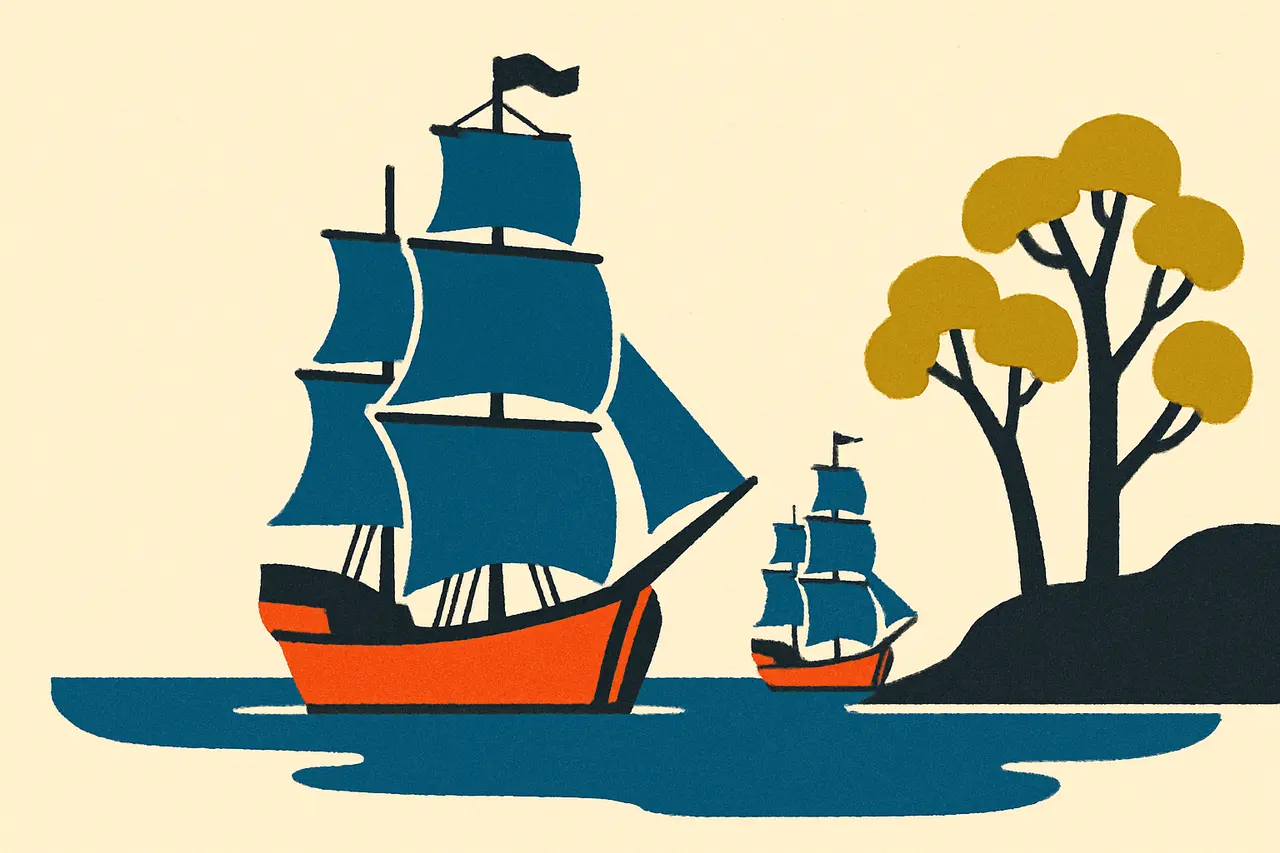
English colonists chose the site of Jamestown on May 13, 1607, settling on a marshy spit of land about 50 miles up the James River in Virginia. The 104 men and boys, sent by the Virginia Company of London, had left England in December 1606 aboard the Susan Constant, Godspeed and Discovery, and they went ashore to start building the next day.
Jamestown is remembered as the first permanent English settlement in North America, and “permanent” is doing a lot of work in that sentence. Earlier English colonies on Roanoke Island had already failed, and Jamestown came close to the same end. By the close of September 1607, half of the 104 were dead, mostly from disease. When John Smith returned from captivity on January 2, 1608, only 38 colonists were still alive.
Worse followed. In the “Starving Time” winter of 1609–10, with relations with the Powhatan broken down during a drought, settlers afraid to leave the fort ate animals, shoe leather and sometimes the dead. Only about 60 of roughly 240 people in the fort survived to spring.
How we know where the fort stood
For generations, people assumed the original fort was gone. Accounts from as early as 1837 claimed that James Fort lay under the river. Archaeologist William Kelso, who first visited as a graduate student in 1963, doubted it: he guessed that the island’s surviving 17th-century brick church tower stood near the fort’s centre, where an earlier church had been. The Jamestown Rediscovery project, launched under him in 1994, found the fort’s remains on dry land within three digging seasons and has since recovered more than three million artifacts.
The settlement outlived its near-collapse but not its role. After fires, including one set during Bacon’s Rebellion in 1676, Virginia moved its capital to Middle Plantation, renamed Williamsburg, in 1699, and Jamestown ceased to be a town.
Sources & references
7 referencesWell-established. Corroborated by 3 independent sources.