Dolly the sheep: first mammal cloned from an adult cell
On this day · 5 July 1996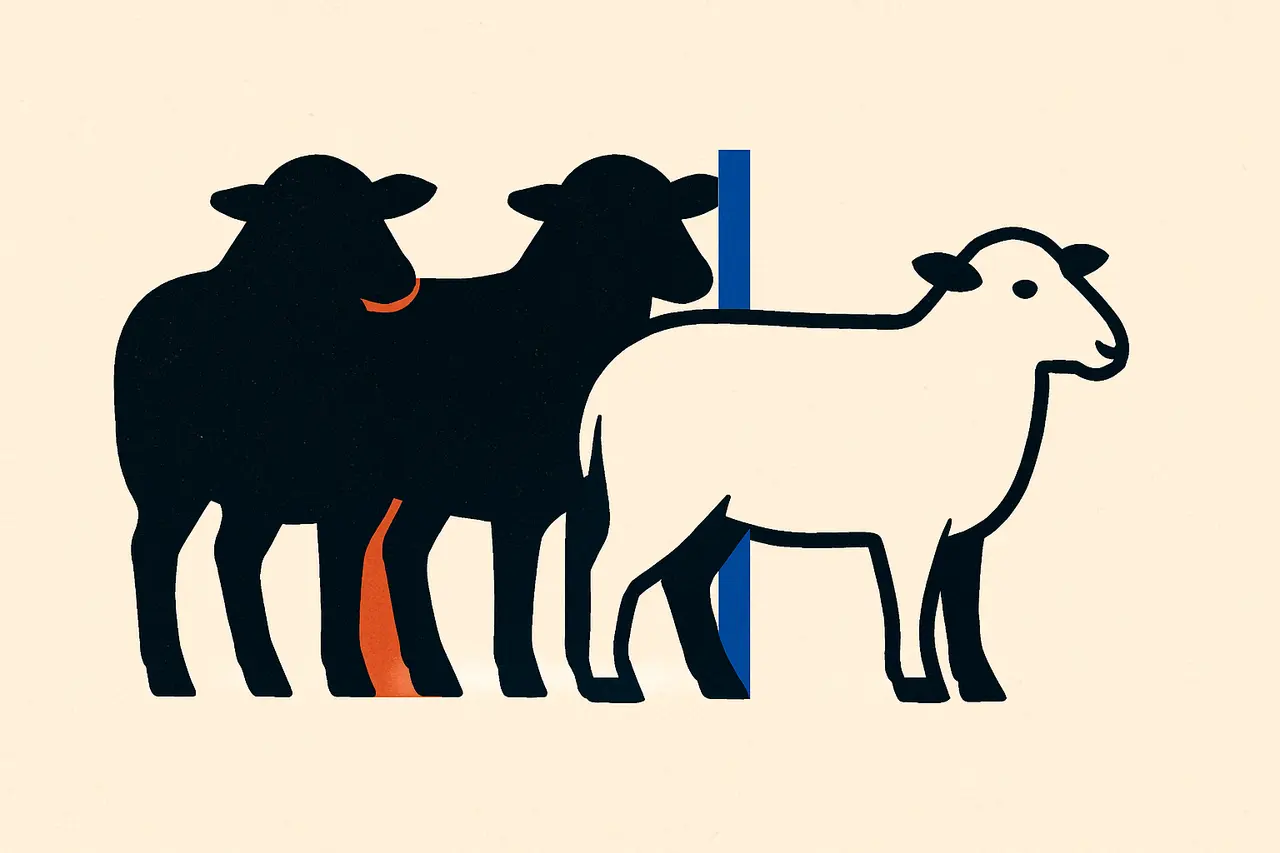
Born on 5 July 1996, Dolly was not the first cloned mammal, and did not age early; she was the first cloned from an adult cell.
Dolly the sheep, born on 5 July 1996 at the Roslin Institute near Edinburgh, was the first mammal cloned from an adult cell, not, as often claimed, the first cloned mammal of any kind.
Her makers took the nucleus of a mammary-gland cell from a six-year-old Finn Dorset ewe, placed it in an emptied egg from a Scottish Blackface sheep, and transferred the resulting embryo into a surrogate mother. She was the only success from 276 attempts (some accounts say 277). Staff named her after the country singer Dolly Parton.
Her birth was kept secret until the Roslin team published its paper; the announcement on 22 February 1997 set off a global debate about cloning. Dolly had six lambs in her lifetime and has been on display at the National Museum of Scotland since 2003.
Was Dolly the first cloned mammal?
No. The same Roslin researchers, including Keith Campbell and Ian Wilmut, had already cloned two sheep, Megan and Morag, from cultured embryo cells. Dolly’s breakthrough was showing that a specialised adult cell, assumed to hold only the instructions for its own job, could be reprogrammed to build a whole animal.
Do clones age early?
Not on the evidence so far. Dolly developed arthritis at five, which fuelled that suspicion, but a later review of her skeleton found her osteoarthritis no worse than that of naturally conceived sheep her age. In 2016, researchers examined 13 cloned sheep aged seven to nine, including four made from the same cell line as Dolly, and found them healthy for their age, with only mild osteoarthritis in some (moderate in one).
Her early death had a different cause: a virus-induced lung disease had killed a Roslin clone called Cedric in 2000, and in February 2003 a scan found tumours in Dolly’s chest. She was put to sleep, aged six.
Sources & references
5 referencesWell-established. Corroborated by 4 independent sources.