Newton's Principia was published in 1687, paid for by Halley
On this day · 5 July 1687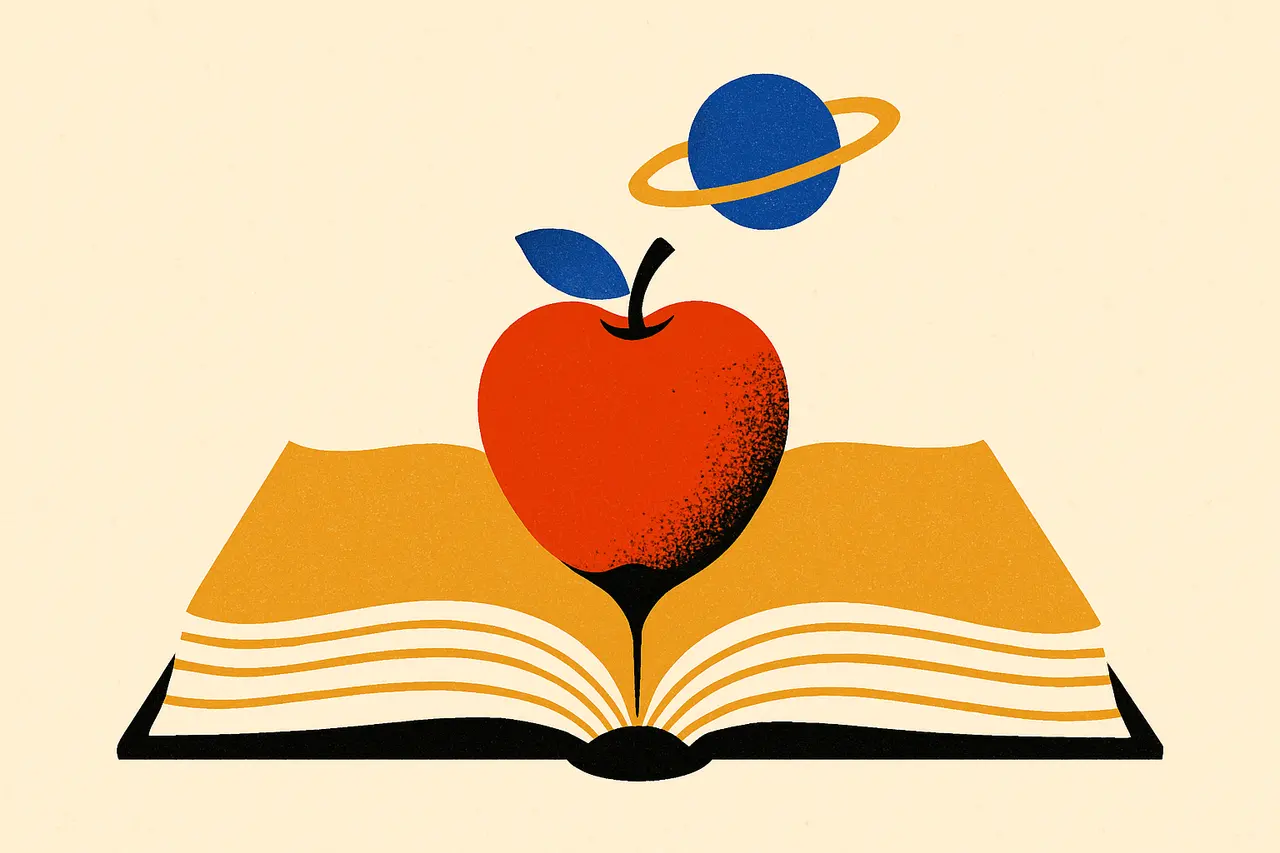
Newton's laws of motion and gravity reached print in 1687 only because Edmond Halley paid, proofread and chased the book through the press.
Isaac Newton’s Philosophiae Naturalis Principia Mathematica, the Principia, was published in London in 1687, with the astronomer Edmond Halley paying the printing costs; it set out Newton’s three laws of motion and the law of universal gravitation.
The date usually quoted for publication, 5 July 1687, is not a recorded release day. It is the date of a letter in which Halley, who had seen the book through the press, told Newton: “I have at length brought your Book to an end, and hope it will please you.” It marks when the printing was finished, which is as close to a publication date as the record gets.
The book exists largely because of Halley. In August 1684 he told Newton about a discussion at the Royal Society concerning planetary motion, and Newton, anxious that others might take credit for results he regarded as his own, spent almost three years turning his answers into a book. He presented Book 1 to the Royal Society at the end of April 1686, and the order to print it followed within a month. The Society, however, had been drained by the troubled printing of Willughby’s Historia Piscium, a book on fishes. So Halley paid the expenses himself, corrected the proofs and set aside his own work to push the printing on. He got his money back only from sales.
The payoff was a single mathematical framework in which the force that pulls an apple to the ground also holds the Moon in its orbit. It was not an easy read: many early readers were baffled, complaining that not even its author could possibly understand it.
Newton kept revising. Work on a second edition began in 1708, and a third appeared in 1726. The title still carries weight: the European Space Agency named British astronaut Tim Peake’s mission to the International Space Station Principia.
Sources & references
3 referencesWell-established. Corroborated by 3 independent sources.