Dietary fibre is the part of food your body is built not to digest
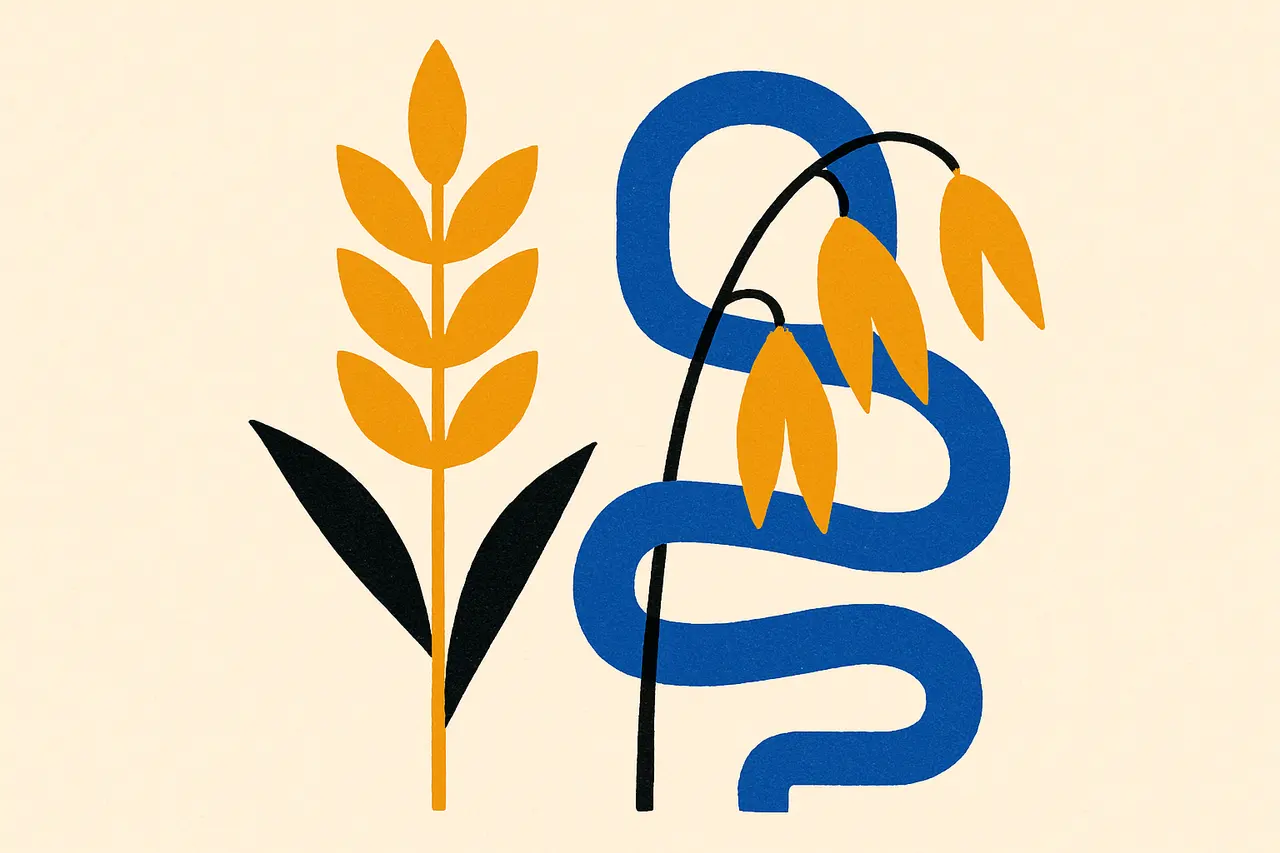
It passes through largely untouched - and that's exactly why it's good for you.
Most of what you eat is broken down and absorbed. Dietary fibre is the exception: plant carbohydrate that human enzymes can’t dismantle in the small intestine, so it travels onward to the colon largely intact.
It comes in two kinds. Soluble fibre dissolves in water and turns to gel, slowing digestion and helping lower blood cholesterol; it’s found in oats, beans, and many fruits. Insoluble fibre doesn’t dissolve - it adds bulk and speeds food through the gut, and comes from wheat bran, whole grains, and vegetables.
Adequate intake is about 25 g a day for women and 38 g for men.
Most people fall well short: U.S. adults average around 17 g a day, roughly half the target, and about 94% miss the recommendation. The irony of fibre is that its value lies precisely in being indigestible - feeding gut bacteria and keeping the whole system moving.
Sources & references
2 referencesWell-established. Corroborated by 2 independent sources.