An 'over' in cricket is six balls - and the ball barely changed in 400 years
The basic unit of bowling, explained for newcomers: six deliveries, then they switch ends.
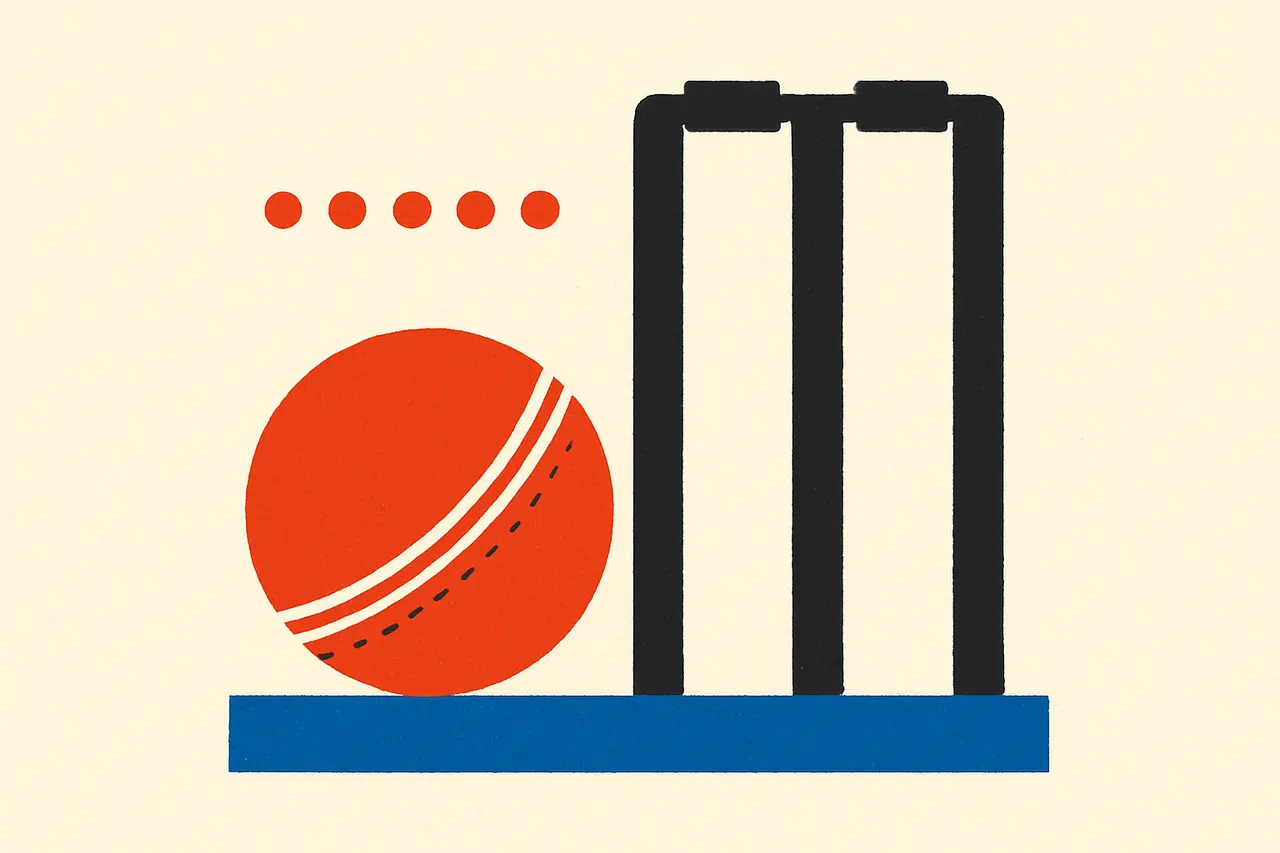
If you’re new to cricket, the over is the unit to learn first. A bowler delivers six balls in a row at one set of stumps; that’s one over. Then a teammate bowls the next over from the opposite end of the pitch, and the two ends alternate all innings long.
The ball itself is hard and heavy, with a cork core wound in string and a stitched leather case. Its weight has scarcely changed in centuries: Britannica notes the modern figure of between 5.5 and 5.75 ounces (156-163 grams) was set back in 1774.
The bowler’s aim is to either get the batter out - for example by hitting the wicket so the little crosspieces called bails fall - or to limit runs. Counting in sixes feels odd at first, but once “over” clicks, the rhythm of a whole match suddenly makes sense.
Sources & references
2 referencesWell-established. Corroborated by 2 independent sources.