Columbus reached Puerto Rico on his second voyage
On this day · 19 November 1493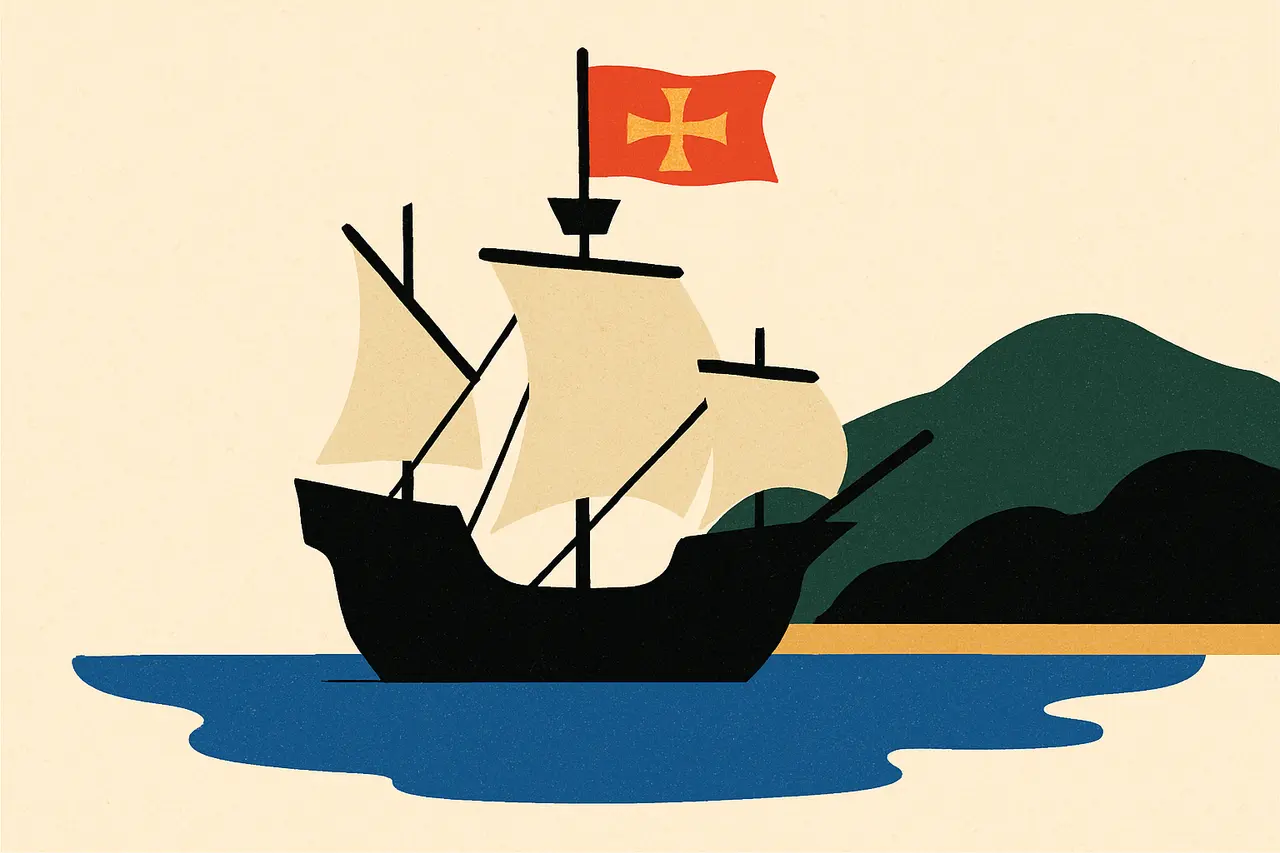
On a 17-ship return crossing, Columbus anchored off an island the Taino called Boriken and renamed it for a saint.
On November 19, 1493, during his second voyage to the Americas, Christopher Columbus anchored off the island the Indigenous Taino people called Boriken. He claimed it for the Spanish crown and renamed it San Juan Bautista, after Saint John the Baptist.
This was a far larger expedition than the first. Columbus had left Spain in September 1493 with around 17 ships and well over a thousand colonists, intent on settlement rather than reconnaissance. The fleet first sighted the island’s coast days earlier and made landfall on the northwestern shore, near present-day Aguadilla, before sailing on toward Hispaniola.
The name later flipped: Spaniards began calling the rich harbor Puerto Rico, or “rich port,” and over time that name attached to the whole island while San Juan became the capital. No permanent Spanish settlement took hold here until Juan Ponce de Leon founded Caparra in 1508, fifteen years after Columbus first dropped anchor.
Sources & references
2 referencesWell-established. Corroborated by 2 independent sources.