The coelacanth, a fish thought extinct for 66 million years, turns up alive
On this day · 22 December 1938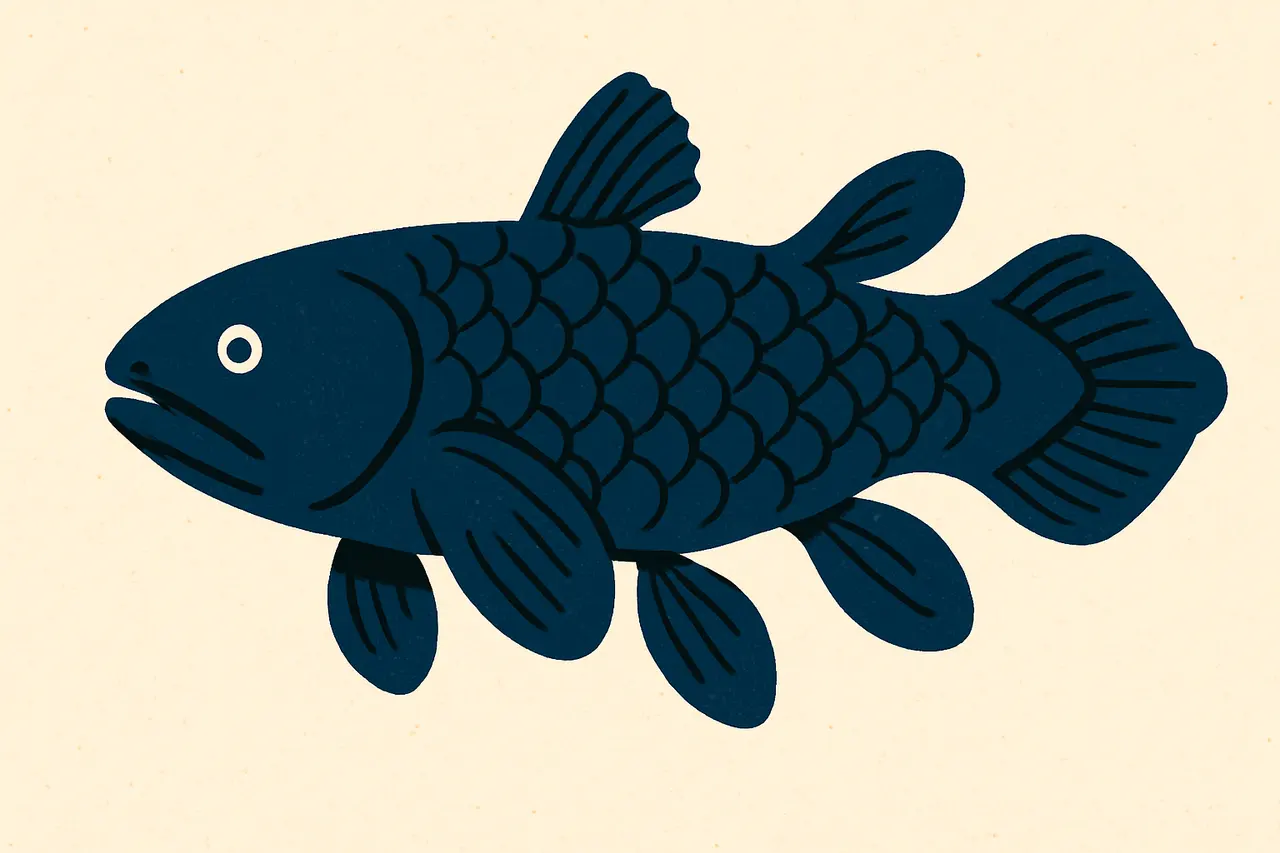
In December 1938 a South African museum curator pulled an "impossible" fish from a trawler's catch, reviving a lineage science had buried with the dinosaurs.
The coelacanth was a textbook extinction: a heavy-bodied, lobe-finned fish known only from rock, its lineage assumed to have vanished about 66 million years ago alongside the dinosaurs. Then, on 22 December 1938, the past swam back into view.
That morning Marjorie Courtenay-Latimer, the young curator of the East London Museum on South Africa’s coast, was called to the docks to inspect a trawler’s catch. Among the rays and sharks lay a steel-blue, five-foot fish unlike anything alive. She sketched it, fought to preserve it, and sent the drawing to ichthyologist J. L. B. Smith, who recognised the unthinkable.
A fish believed to have been extinct for tens of millions of years had become extant.
Smith named it Latimeria chalumnae, honouring its finder and the nearby Chalumna River. The discovery rewrote what “extinct” could mean and crowned the coelacanth biology’s most famous living fossil — a survivor that had quietly outlasted its own obituary in the deep reefs off Africa.
Sources & references
3 referencesWell-established. Corroborated by 3 independent sources.