Chocolate began as a bitter drink - and the beans were money
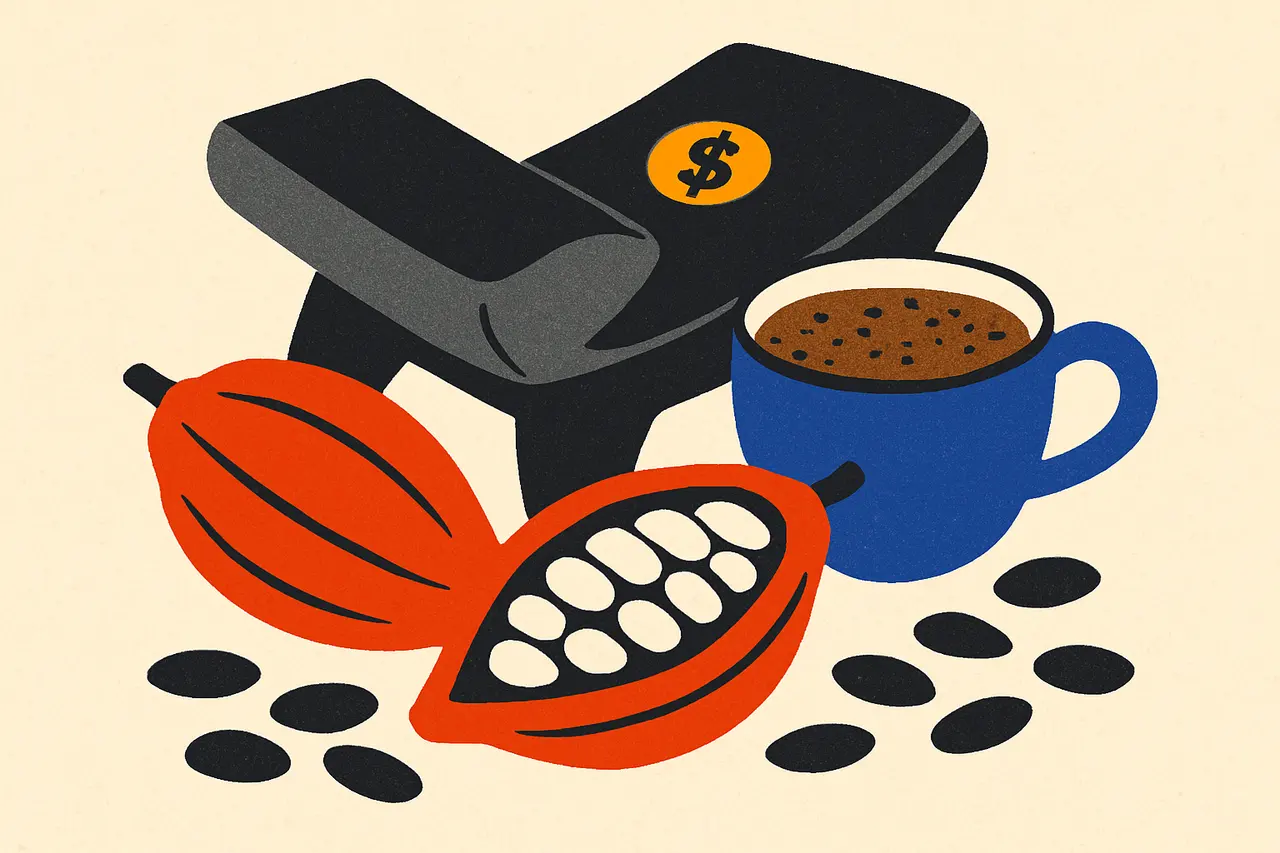
For the Maya and Aztecs, cacao was a frothy, unsweetened ceremonial beverage, and a coin you could spend.
The chocolate the Maya and Aztecs knew bore little resemblance to a sweet bar. Cacao beans were roasted, ground on a stone metate, and whisked with water into a bitter, frothy drink, often spiked with chili, vanilla or annatto. The Aztecs called it xocolatl; it was a luxury reserved for nobles, priests and warriors.
The beans were also money. The exchange rates were precise enough to quote: roughly one bean for a ripe tomato, four for a pumpkin, and around 100 beans for a turkey hen. Where there is currency there is fraud, and counterfeiters obliged — carving fake “beans” from clay or avocado pits and filling emptied hulls with dirt to pass them off in the market.
Cacao was the “food of the gods” — the source of the genus name Theobroma.
The drink crossed the Atlantic after the Spanish. Following Cortés in the 1520s, cacao reached Europe, where it was reinvented for European palates: sweetened with sugar and perfumed with vanilla and cinnamon, served hot. For a century or more it was prized as a medicine and an elite indulgence of the courts, still a beverage rather than something you ate.
The bar came much later, and from chemistry. In 1828 the Dutch chemist Coenraad van Houten patented a press that squeezed most of the cocoa butter out of ground cacao, leaving a powder that could be re-blended in controlled amounts. That defatting step — and the smoother, mixable cocoa it yielded — is what finally made solid eating chocolate possible, paving the way for the modern bar.
Sources & references
3 referencesWell-established. Corroborated by 3 independent sources.