Chemical weapons saw their first large-scale use at the Second Battle of Ypres
On this day · 22 April 1915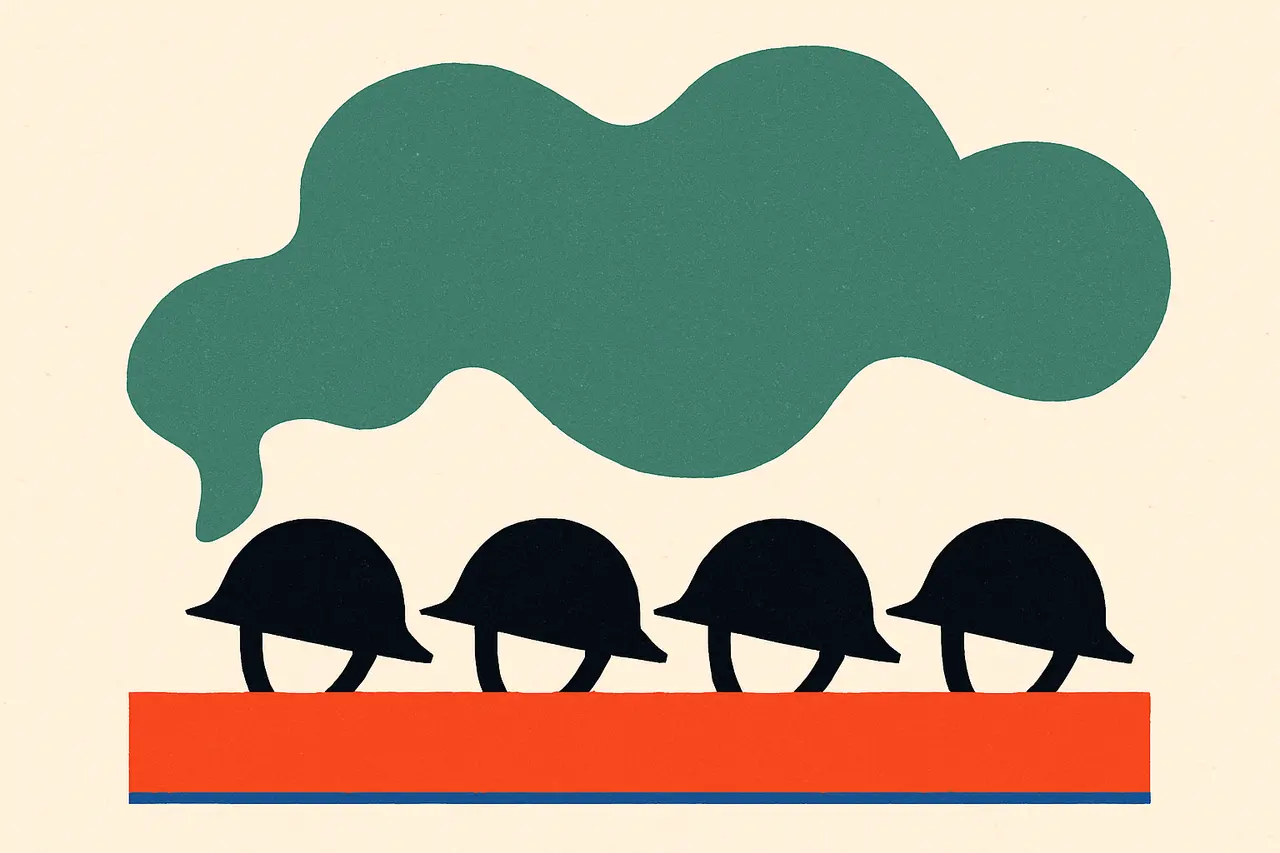
On April 22, 1915, German forces opened canisters of chlorine gas at Ypres, introducing industrial-scale chemical warfare.
On April 22, 1915, near the Belgian town of Ypres, German troops released roughly 168 tons of chlorine gas along a four-mile stretch of the front, drifting it toward French and Algerian positions on the north of the salient. It was the first time chlorine was used as a weapon, and the first time poison gas was deployed on such a scale.
The greenish cloud caused chest pain, burning throats, and panic, tearing a wide gap in the Allied line. Yet the Germans, wary of their own gas, hesitated to advance, and Canadian and British troops managed to plug the breach before it could be exploited.
Soldiers’ first defense was crude: cotton pads soaked in urine, whose urea helped neutralize the chlorine.
The attack opened a grim new chapter in warfare. Within months both sides were fielding gas and primitive respirators, and chemical weapons became a defining horror of the First World War.
Sources & references
2 referencesWell-established. Corroborated by 2 independent sources.