Brazil's 1822 independence cost it £2 million and a war
On this day · 7 September 1822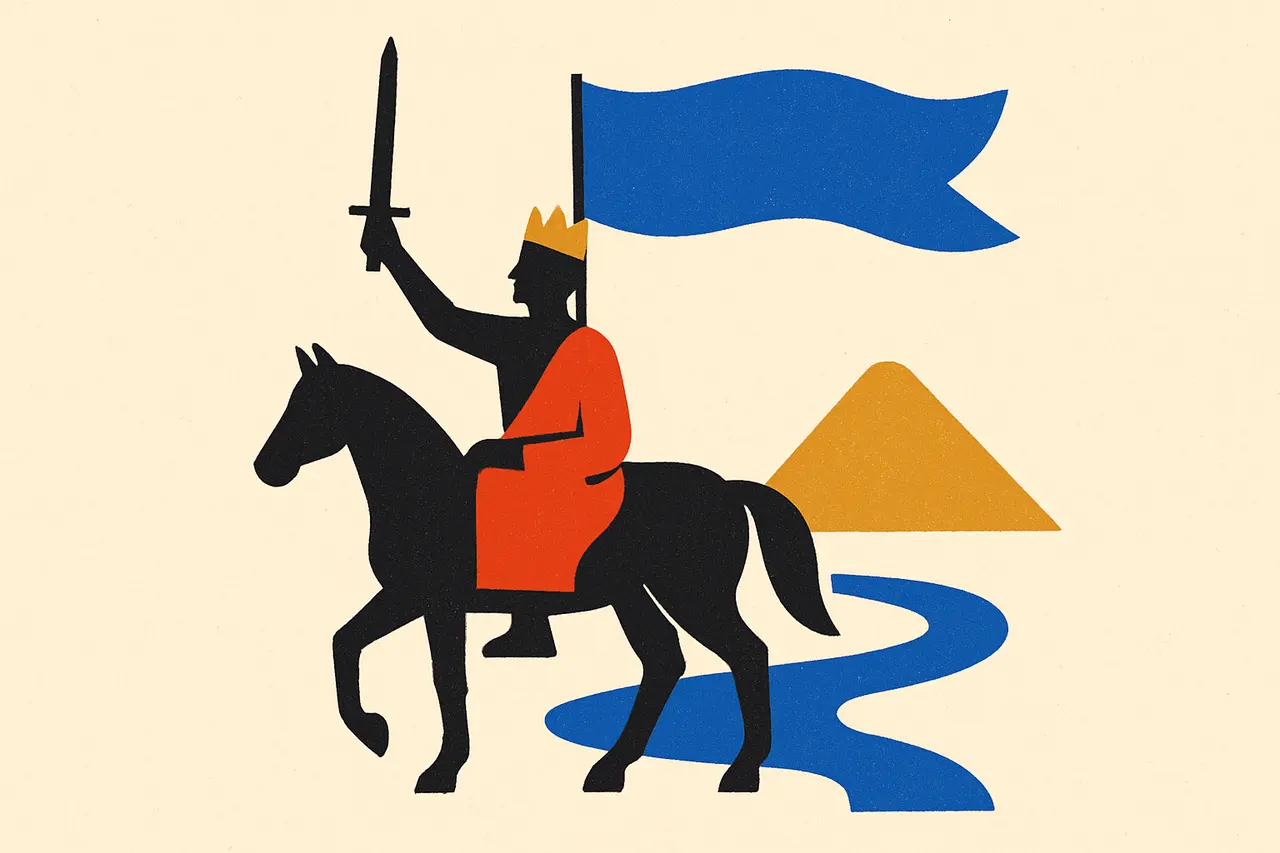
Pedro broke with Lisbon by the Ipiranga stream on 7 September 1822. Portugal let go three years later — for a price.
Brazil declared independence from Portugal on 7 September 1822, when Prince Pedro, heir to the Portuguese throne and regent in Brazil, broke with Lisbon beside the Ipiranga stream near São Paulo after letters from Lisbon annulled his government’s decisions and ordered him home. He was crowned Emperor Pedro I on 1 December 1822, ending more than three centuries of Portuguese rule.
The scene most Brazilians picture, Pedro on horseback with sword raised while his guard of honour rips Portugal’s blue-and-white ribbons from their sleeves, comes from Pedro Américo’s painting Independência ou Morte!. It was made in Florence and finished in 1888, 66 years after the event, and shows how the empire wished to remember the day rather than what witnesses saw.
Was Brazil’s break with Portugal peaceful?
Not entirely. It was quicker than the long wars of Spanish America, but Portuguese garrisons fought on. Brazilian forces had to defeat them in Bahia, and Portuguese troops held the Cisplatine Province, today’s Uruguay, until November 1823. The United States recognised the new empire in May 1824. Britain, for which Brazil was then the third-largest foreign market, set out to broker a settlement that kept its trade intact.
Did Brazil have to pay for its independence?
Yes. Portugal accepted the loss only in August 1825, in a treaty brokered by Britain under which Brazil agreed to pay £2 million for the loss of its old colony. Raising the money led to Brazil’s first foreign loan, taken out in London, so the new empire began life in debt for the privilege of being let go.
The treaty also contained a stranger clause: Brazil promised not to unite with any other Portuguese colony. Lisbon’s worry was Angola. Brazilian slave-trading interests were entrenched on the African coast, and when news of the separation reached Angola, pamphlets printed in Brazil invited Benguela to join the “Brazilian cause”.
Sources & references
3 referencesWell-established. Corroborated by 3 independent sources.