Why Iwo Jima's strategic value is still debated
On this day · 19 February 1945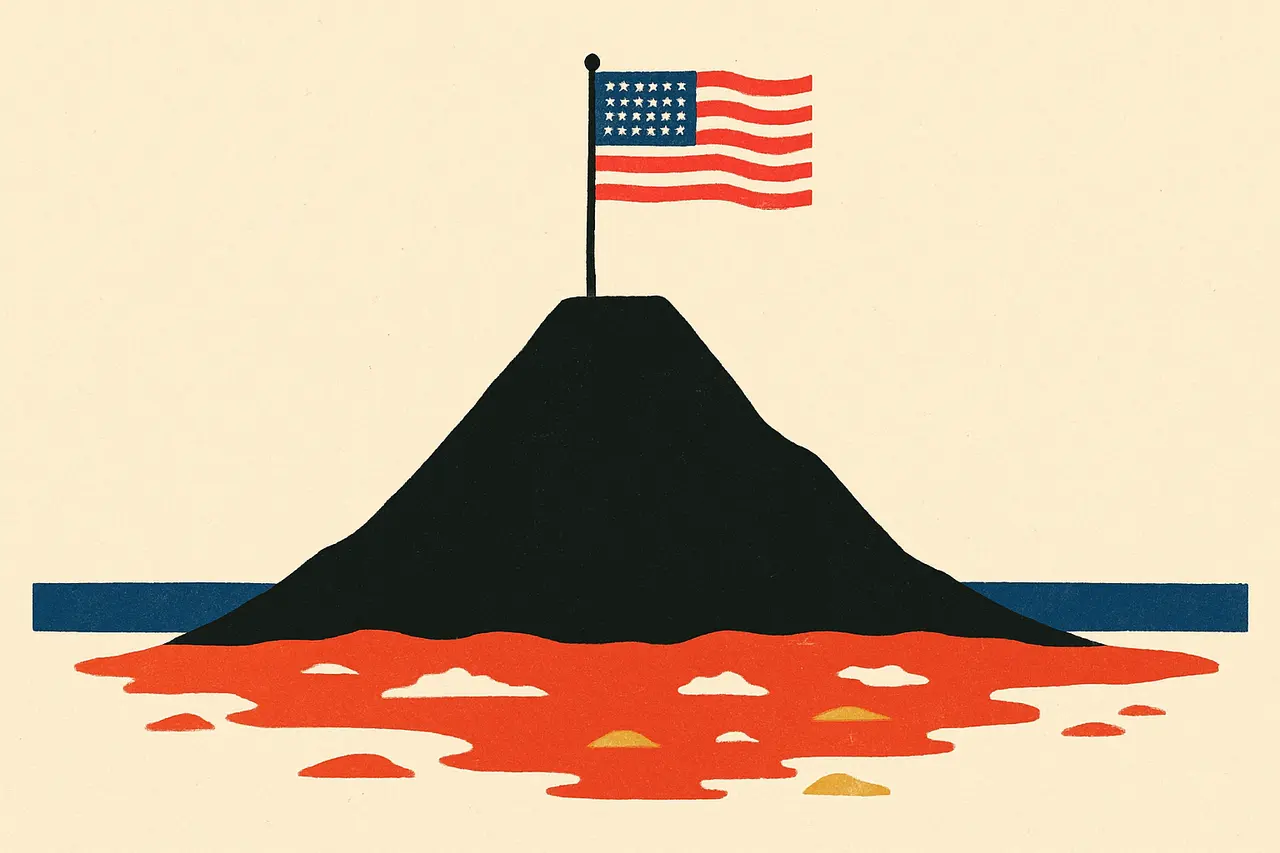
Taking Iwo Jima cost nearly 7,000 American lives. The Navy's own historians say most of the reasons for taking it fell apart.
The Battle of Iwo Jima began on 19 February 1945, when U.S. Marines landed on an eight-square-mile volcanic island about 650 miles from Tokyo, and ended on 26 March after five weeks that cost nearly 7,000 American lives. The U.S. Navy’s own historical command says whether the reasons for taking it justified that price “continues to be debated to this day.”
What the invasion was meant to achieve
Planners had three main aims: destroy a Japanese radar station believed to warn Tokyo of incoming B-29 raids, give escort fighters a base, and provide an emergency field for damaged bombers. The Naval History and Heritage Command’s assessment of each is blunt. The radar turned out to be incapable of giving the early warning U.S. planners had feared. Escort missions from the island meant a 1,500-nautical-mile round trip, hard on P-51 pilots. Far fewer B-29s than expected used it for emergency landings, and rescue aircraft based there picked up only 57 downed aviators. A damaged B-29, Dinah Might, did make an emergency landing on 4 March, while fighting still raged.
The human cost is not in dispute, though the numbers vary by source:
| Measure | United States | Japan |
|---|---|---|
| Troops engaged | ~70,000 Marines | 18,000–21,000 |
| Killed | 6,821–6,871 | ~20,000–21,000 |
| Wounded | 19,217 | — |
| Taken prisoner | — | 216 |
That table explains a line often repeated about the battle: it was the only Pacific battle in which total American casualties outnumbered Japanese ones. That counts the wounded. Japanese deaths outnumbered American deaths about three to one, because General Tadamichi Kuribayashi ordered his men to fight from tunnels until they died.
Not all of them did. About 3,000 defenders hid in the caves after the island was declared secure. Most were killed or captured by August 1945, but one group held out until 1949. The flag raising on Mount Suribachi on 23 February made the battle famous. Twenty-seven Medals of Honor were awarded for Iwo Jima, to 22 Marines and five sailors.
Sources & references
3 referencesWell-established. Corroborated by 3 independent sources.