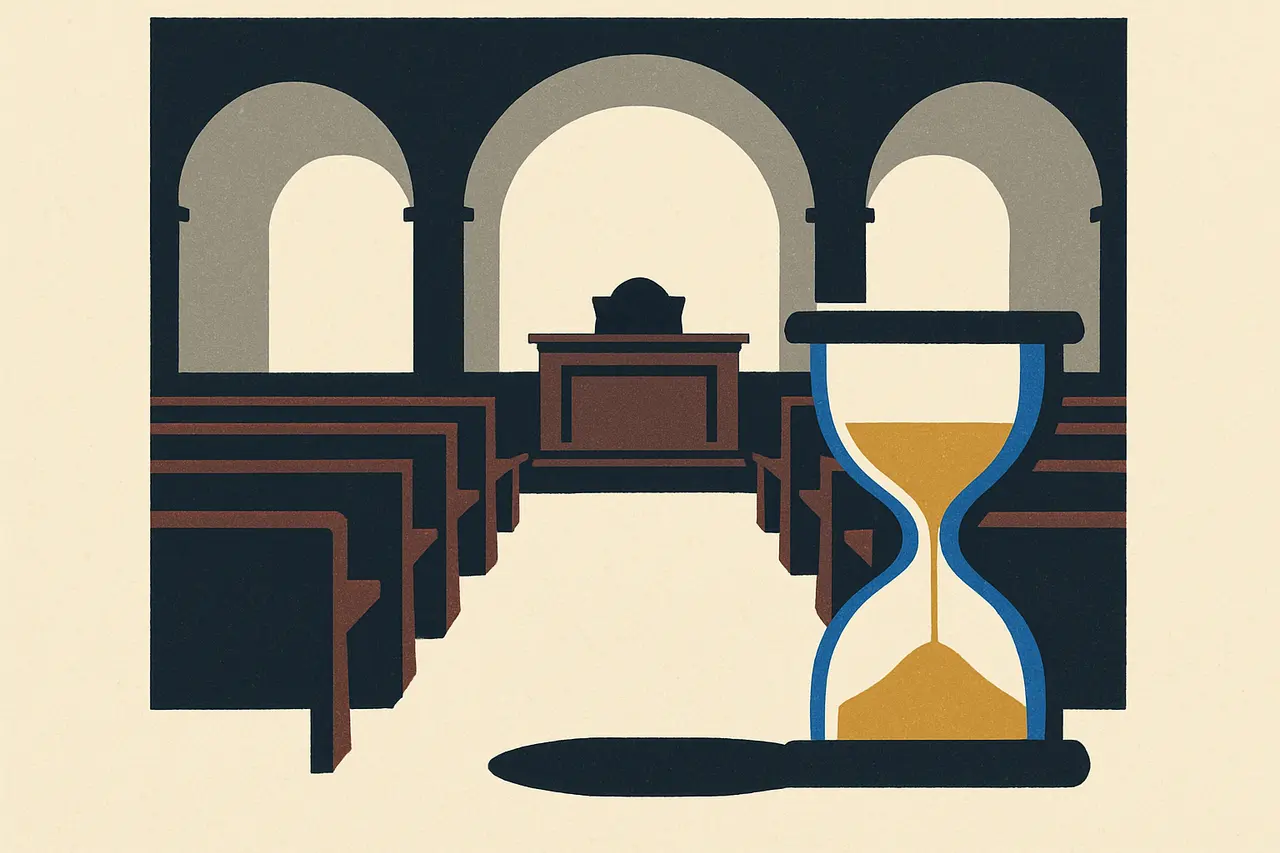
FDR signs Japanese American internment order
On this day · 19 February 1942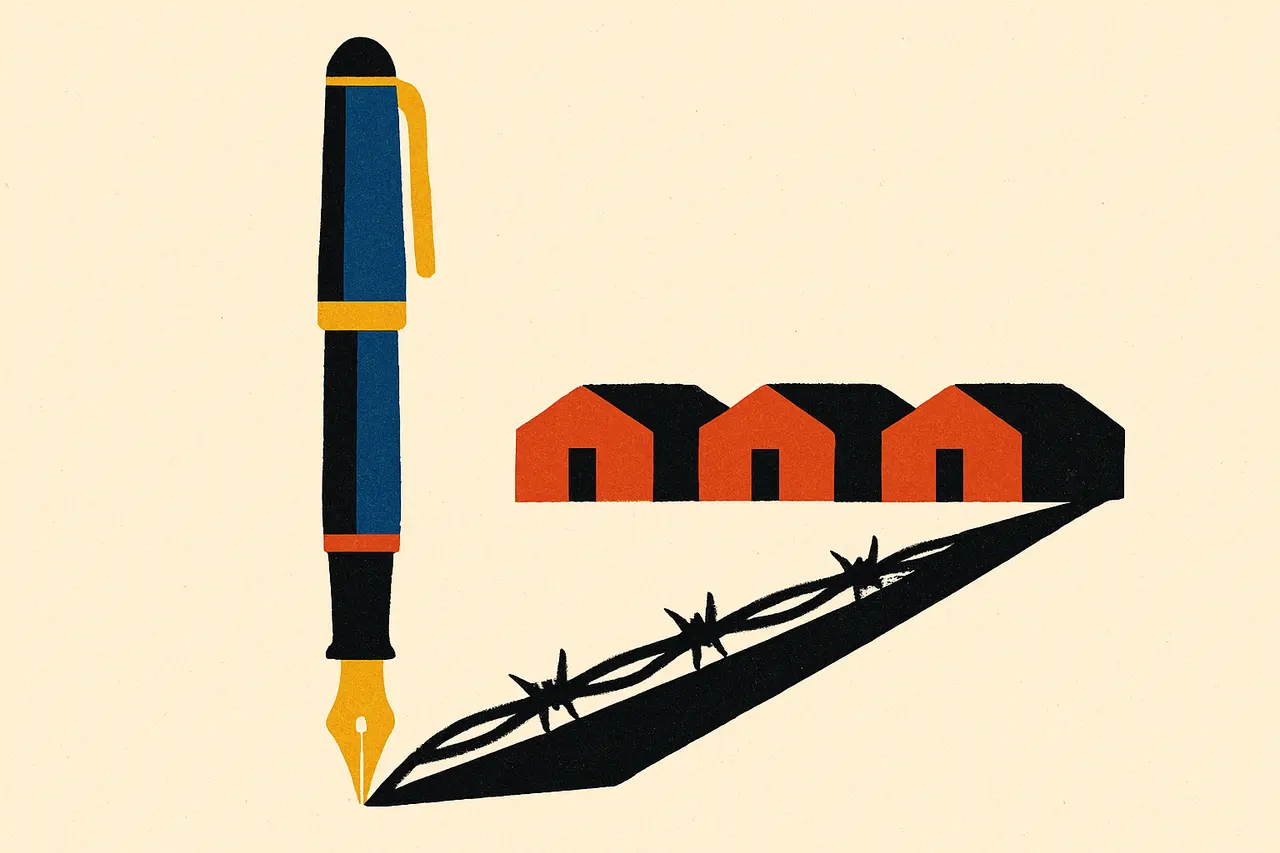
A single wartime signature uprooted some 120,000 people of Japanese descent, most of them U.S. citizens, into guarded camps.
On February 19, 1942, ten weeks after Pearl Harbor, President Franklin D. Roosevelt signed Executive Order 9066. Its language named no race and no place, authorizing military commanders to designate “exclusion zones” from which any person could be barred. In practice it was aimed squarely at the West Coast’s Japanese American community.
Over the following months, roughly 120,000 men, women, and children were forced from their homes into hastily built “assembly centers” and then into ten remote camps run by the War Relocation Authority. About two-thirds were U.S. citizens by birth. Families had days to sell homes, farms, and businesses; a later congressional commission estimated property losses in the billions.
No similar order was ever applied to Americans of German or Italian descent.
The order stayed on the books for decades. President Gerald Ford formally rescinded it in 1976, and in 1988 Congress apologized and authorized $20,000 in restitution to each surviving detainee.
Sources & references
2 referencesWell-established. Corroborated by 2 independent sources.