Argentina's 1982 Falklands invasion split Reagan's cabinet
On this day · 2 April 1982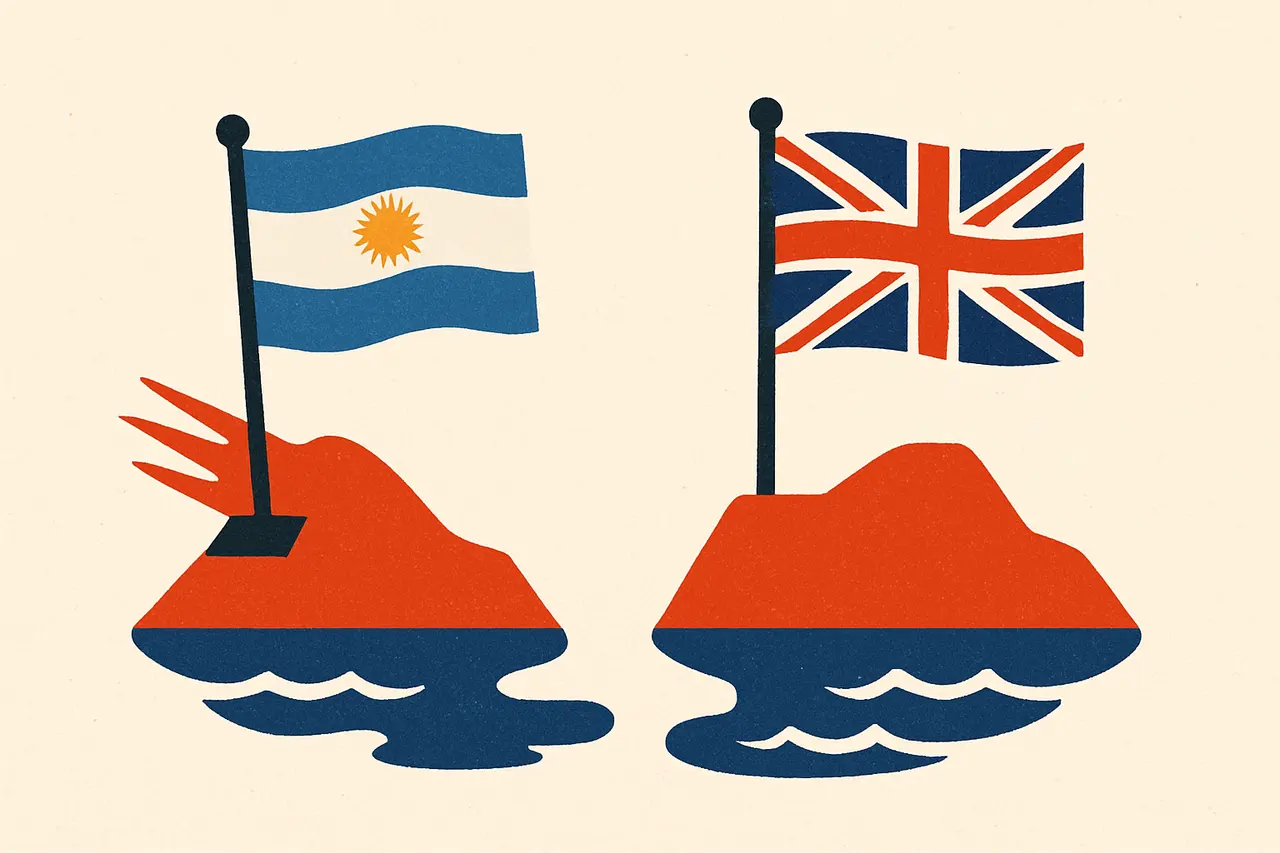
When Argentina seized the Falklands on 2 April 1982, Washington had to choose between two allies, and spent four weeks trying not to.
Argentine forces invaded the Falkland Islands early on 2 April 1982, overwhelming the small Royal Marines garrison at Stanley within hours and starting a 74-day undeclared war with Britain. For the United States, the invasion was an awkward collision between two allies: Britain, its closest partner, and Argentina’s military junta, which the Reagan administration valued as an anti-communist ally in the Americas.
The State Department’s historians record that some officials at first saw it as an anachronistic “Gilbert and Sullivan battle” over windswept islands. It quickly divided the cabinet. UN ambassador Jeane Kirkpatrick did not want to alienate Buenos Aires; Defense Secretary Caspar Weinberger argued hard for Britain; Secretary of State Alexander Haig wanted the U.S. to play honest broker. What followed:
- 3 April: Argentina occupies South Georgia. The UN condemns the invasion.
- 7 April: Reagan sends Haig to London and Buenos Aires. Over two rounds of shuttle talks, Thatcher insists on full withdrawal before any talk of sovereignty; the junta will concede nothing that weakens its claim.
- 29–30 April: After Britain retakes South Georgia, Argentina rejects Haig’s final proposal. Washington announces support for Britain and suspends military and economic aid to Argentina.
- 5 May: Weinberger and British Defence Secretary John Nott settle arrangements to supply British requests for military materiel.
- 14 June: Argentine forces on the Falklands surrender.
The tilt had a cost in the Americas. Most Latin American governments saw it as a betrayal of the 1947 Rio Treaty’s promise of hemispheric solidarity.
The military effort was large for so small a prize. The islands held about 1,800 people, 8,000 miles from Britain, yet the task force numbered 127 warships, submarines and requisitioned merchant ships. The war killed 907 people: 649 Argentines, 255 Britons and three islanders. Galtieri was removed by his own government after the defeat. Eight years later, Iraq’s seizure of Kuwait posed Washington a similar test: a military regime suddenly occupying a small territory it claimed as its own.
Sources & references
3 referencesWell-established. Corroborated by 3 independent sources.