Your phone dwarfs the computer that landed Apollo 11
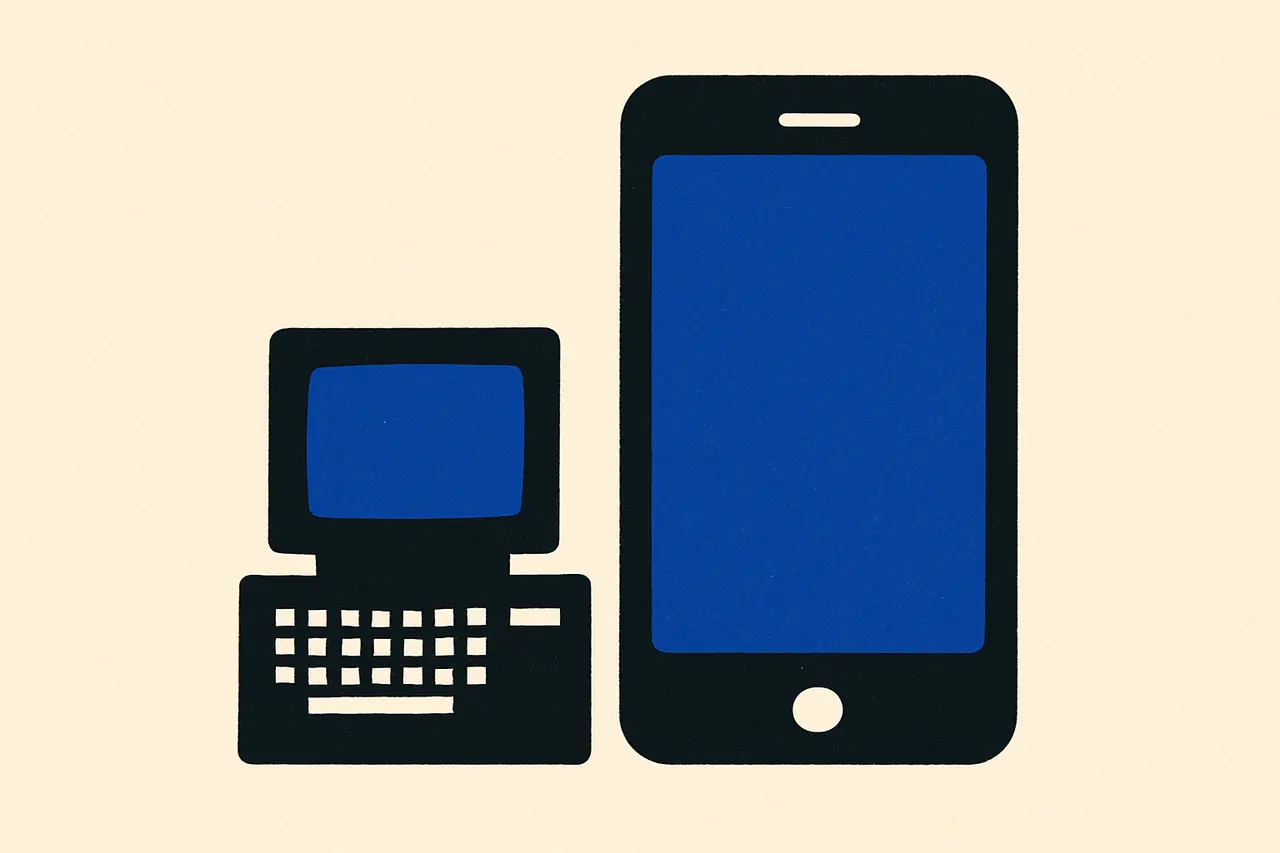
The computer that guided Apollo astronauts to the Moon ran on a sliver of the memory and speed your smartphone wastes idling.
The Apollo Guidance Computer (AGC) flew on every Apollo command module and lunar module, handling navigation and control for the Moon landings. By today’s standards, it was almost unimaginably modest.
According to NASA, the Block II AGC ran on a roughly 1-megahertz clock and held just 2,048 words of erasable memory — the equivalent of RAM — plus 36,864 words of fixed, read-only program memory woven by hand into “core rope.” Each word was only 15 bits long, and a single addition took about 23 microseconds.
A modern phone carries gigabytes of memory and runs at gigahertz speeds — millions of times more capacity than the machine that reached the Moon.
Built around about 4,000 integrated circuits supplied largely by Fairchild Semiconductor, the AGC was a pioneer of silicon-chip computing, per the Smithsonian. It was enough to land humans on another world — proof that clever engineering, not raw power, won the race.
Sources & references
2 referencesWell-established. Corroborated by 2 independent sources.