The first stored-program computer ran its first software
On this day · 21 June 1948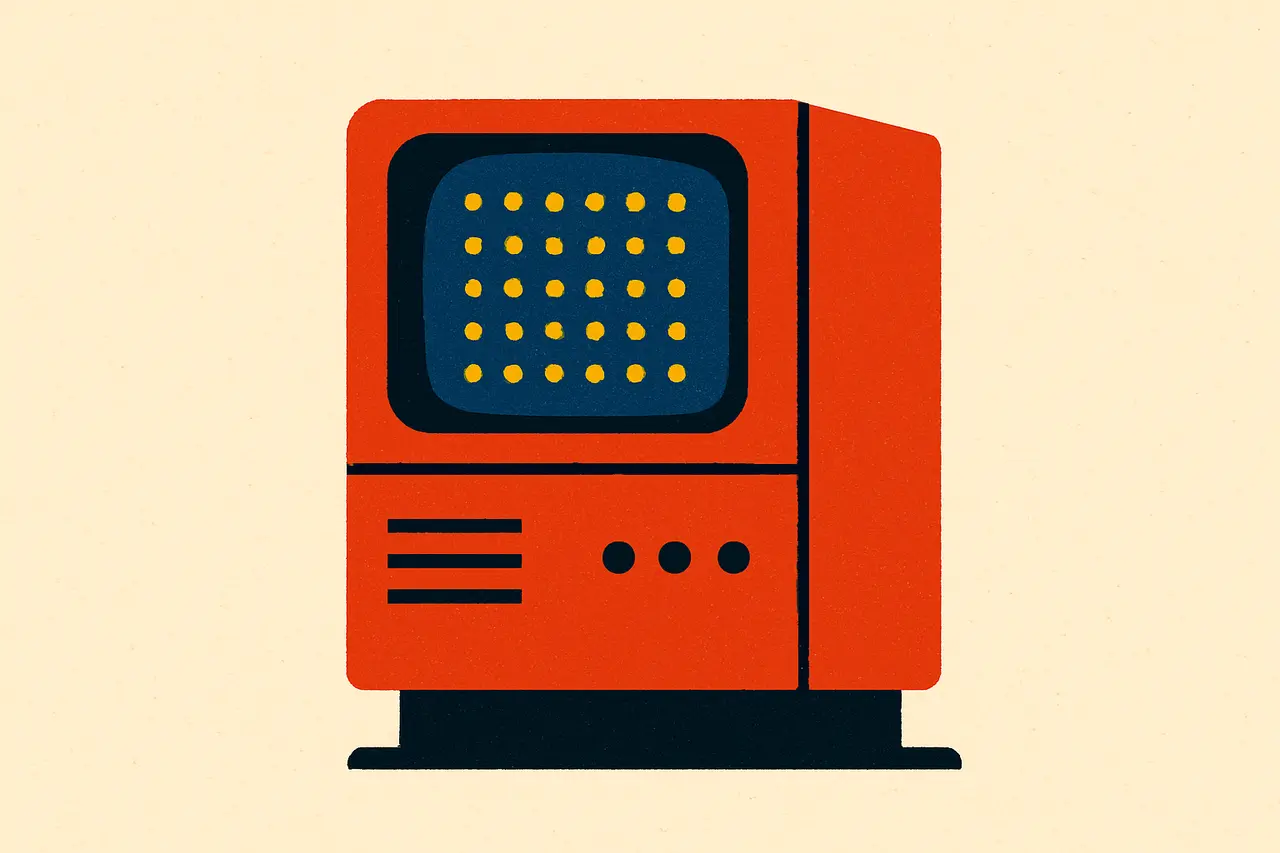
On June 21, 1948, a room-sized machine in Manchester ran a program stored in its own memory, the genetic blueprint of every computer since.
Early computers were rewired by hand for each new task. The breakthrough was the stored program: keeping instructions and data together in the machine’s own memory, so software could be loaded rather than soldered. On June 21, 1948, that idea ran for the first time.
Built at the University of Manchester by Frederic Williams, Tom Kilburn, and Geoff Tootill, the Small-Scale Experimental Machine, nicknamed the “Baby”, executed a 17-instruction program written by Kilburn. The task was deliberately dull: find the highest factor of a large number. After about 52 minutes and millions of operations, it returned the right answer.
The Baby was a testbed for the Williams tube, the first practical random-access memory, rather than a useful calculator. But it was the first working machine to contain every essential element of a modern computer. From this cramped Manchester prototype descends the entire lineage of programmable machines.
Sources & references
2 referencesWell-established. Corroborated by 2 independent sources.