Austria-Hungary declared war on Serbia, lighting the fuse of World War I
On this day · 28 July 1914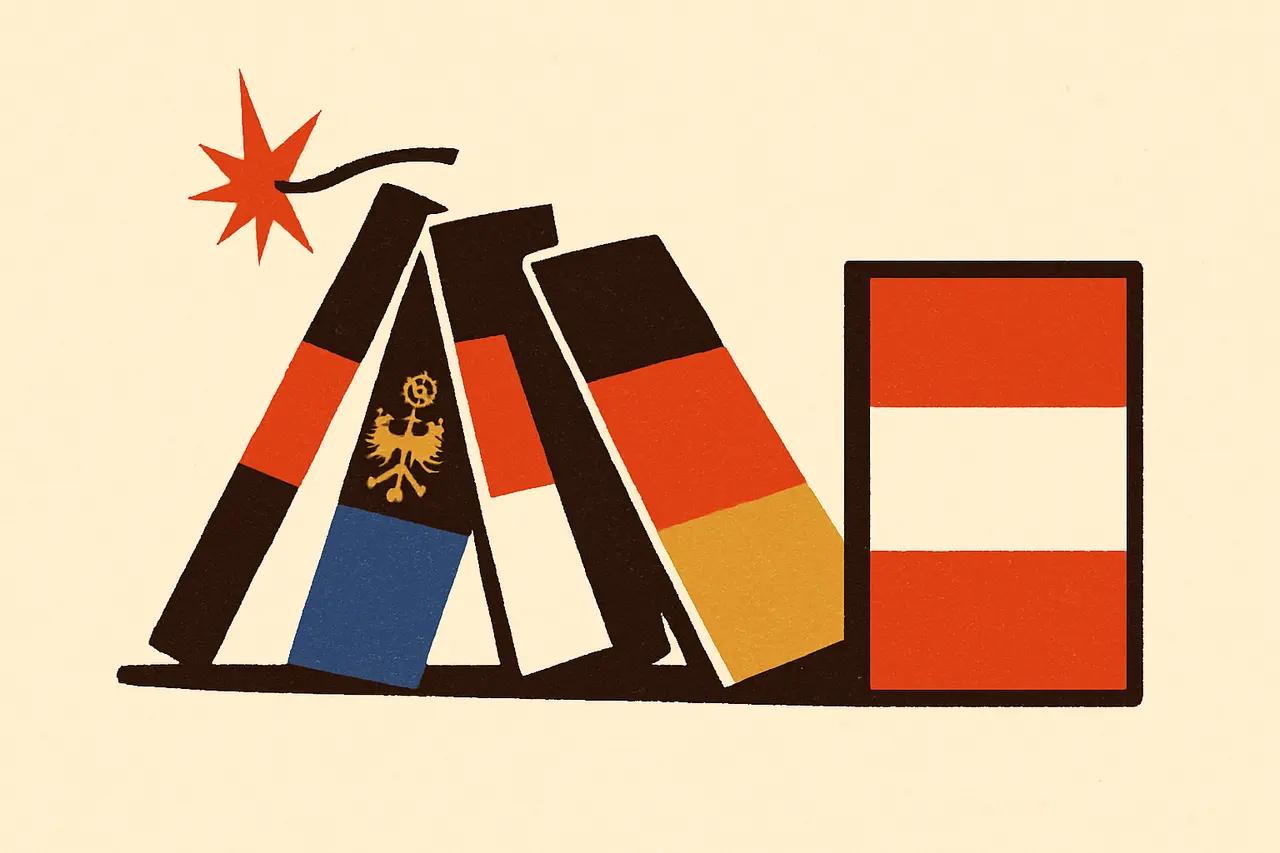
One month after an assassin's bullet in Sarajevo, an empire's declaration of war set Europe's alliances tumbling like dominoes.
On July 28, 1914, Austria-Hungary declared war on Serbia, formally igniting the conflict that would become World War I. The trigger had come exactly one month earlier: on June 28, 1914, Archduke Franz Ferdinand, heir to the Habsburg throne, and his wife were shot dead in Sarajevo by 19-year-old Gavrilo Princip.
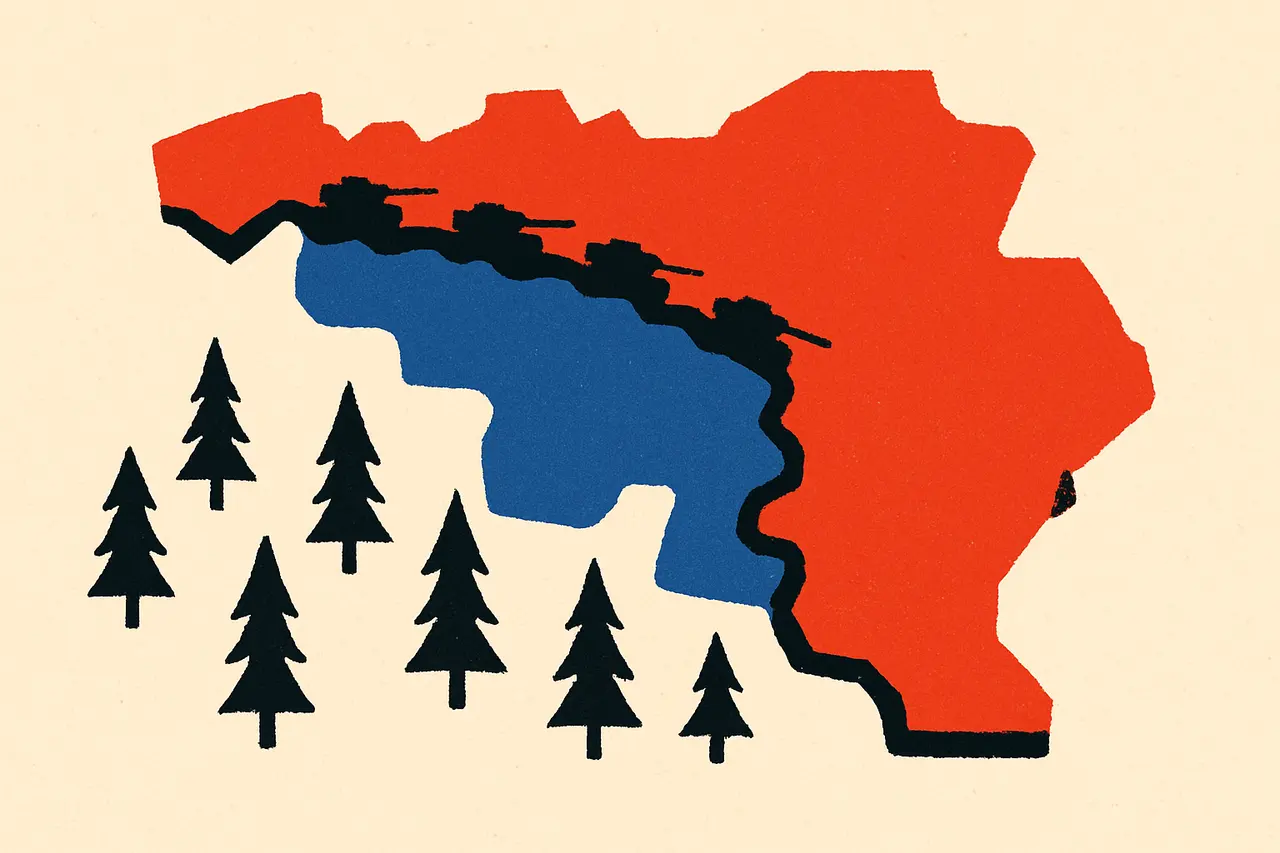
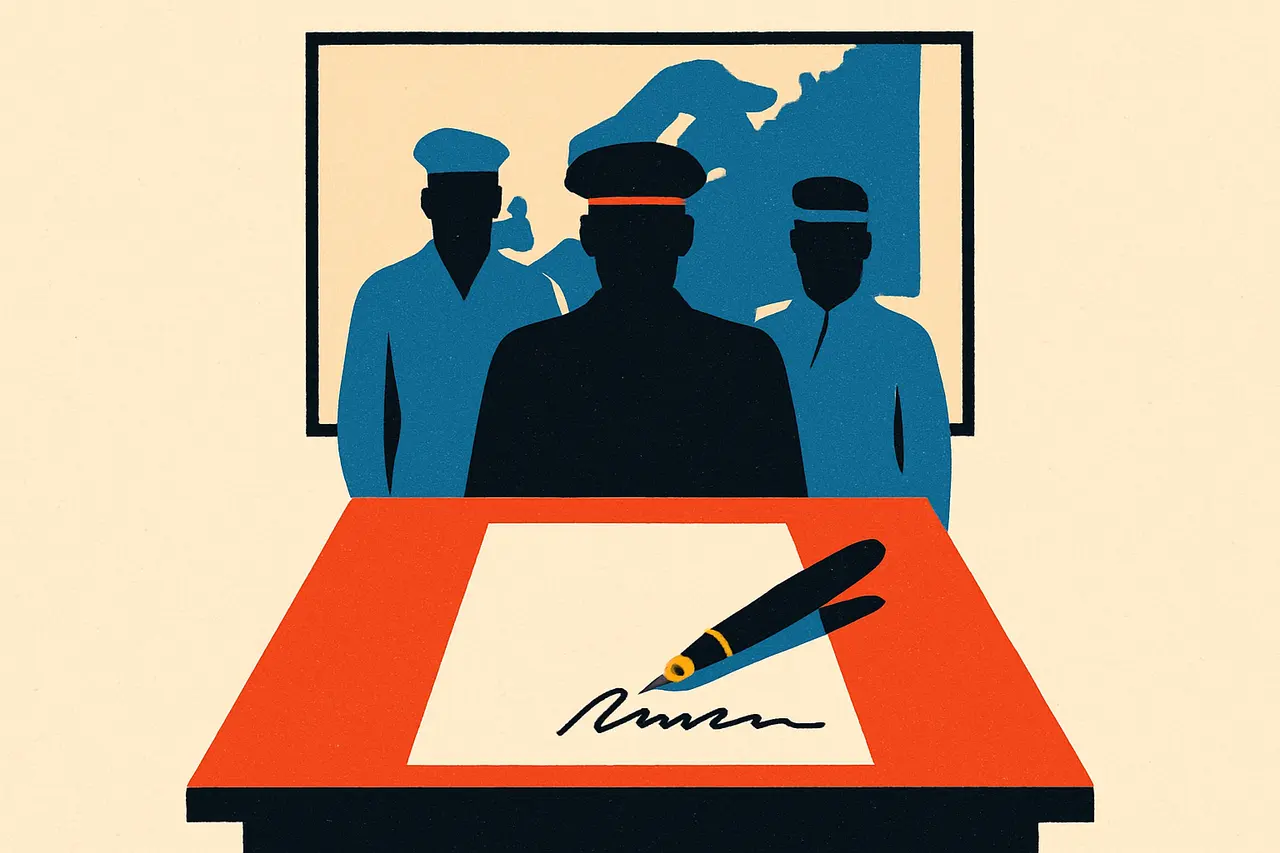
Vienna issued a deliberately harsh ultimatum on July 23. Serbia accepted nearly every demand, balking only at letting Austro-Hungarian officials join the assassination inquiry, but that was pretext enough. Emperor Franz Joseph signed the declaration on July 27 after receiving false reports of fighting on the border; Foreign Minister Berchtold published it the next morning, the inaccurate passage quietly deleted.
Austria-Hungary moved boldly because it had Germany’s backing. Within a week, mobilizations and counter-mobilizations dragged in Russia, Germany, France, and beyond, turning a Balkan quarrel into a continental catastrophe that reshaped the 20th century.
Sources & references
2 referencesWell-established. Corroborated by 2 independent sources.