William Penn was granted the charter for Pennsylvania
On this day · 4 March 1681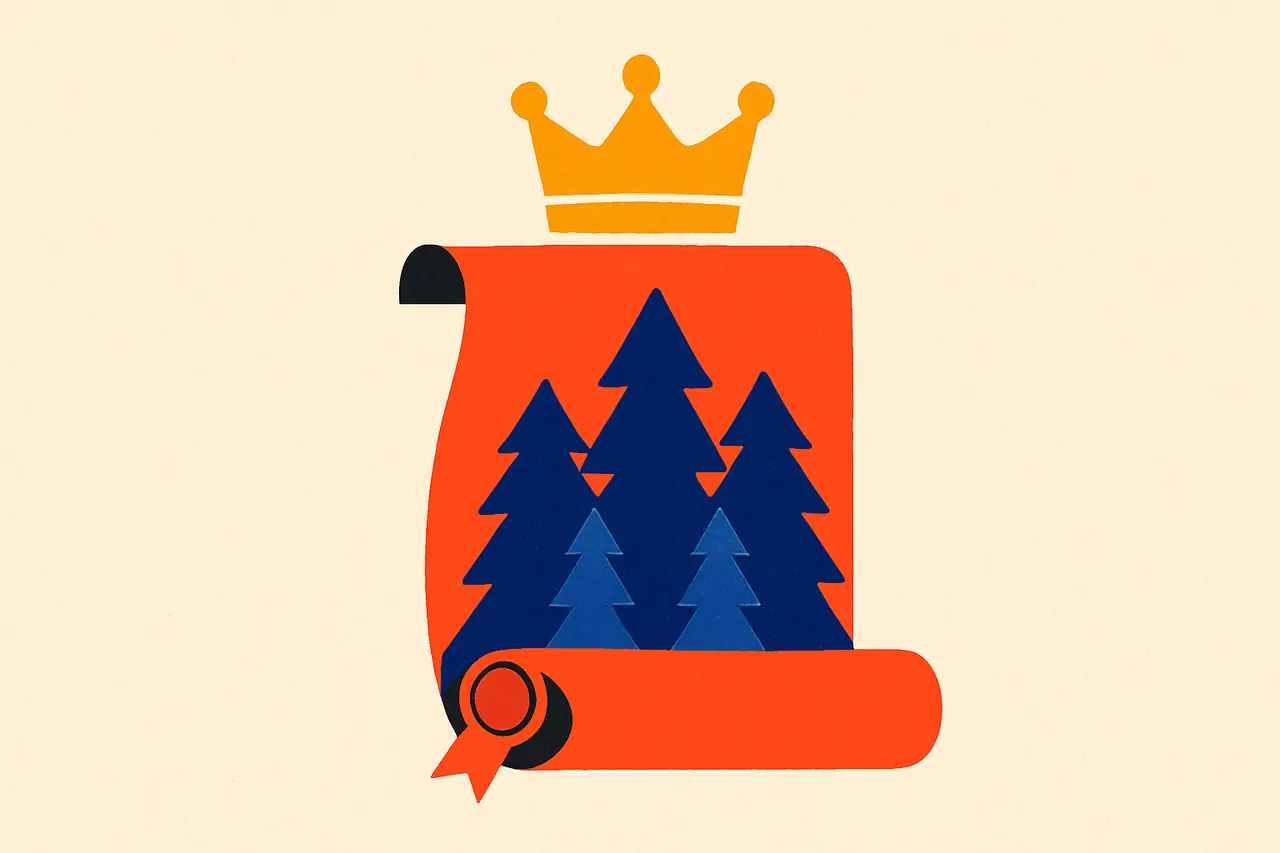
A king's debt to a dead admiral became a 45,000-square-mile woodland and one of history's boldest experiments in religious tolerance.
On March 4, 1681, King Charles II of England put his seal to a charter handing William Penn roughly 45,000 square miles of North American wilderness. The grant settled an awkward account: the Crown owed about £16,000 to Penn’s late father, Admiral Sir William Penn, and land was cheaper than cash.
The charter, four parchment pages closing with the words “Witness our selfe at Westminster, the fourth day of March,” made the younger Penn sole proprietor and ruler of the new province. He named it Pennsylvania, meaning “Penn’s woods” — reportedly embarrassed that it sounded self-aggrandizing, though the king had insisted.
A devout Quaker who had been jailed for his beliefs, Penn envisioned what he called a “Holy Experiment”: a colony built on religious freedom, representative government, and fair dealing with Native peoples.
A debt repaid in trees seeded a province that would help draft a nation’s ideals.
Sources & references
2 referencesWell-established. Corroborated by 2 independent sources.